

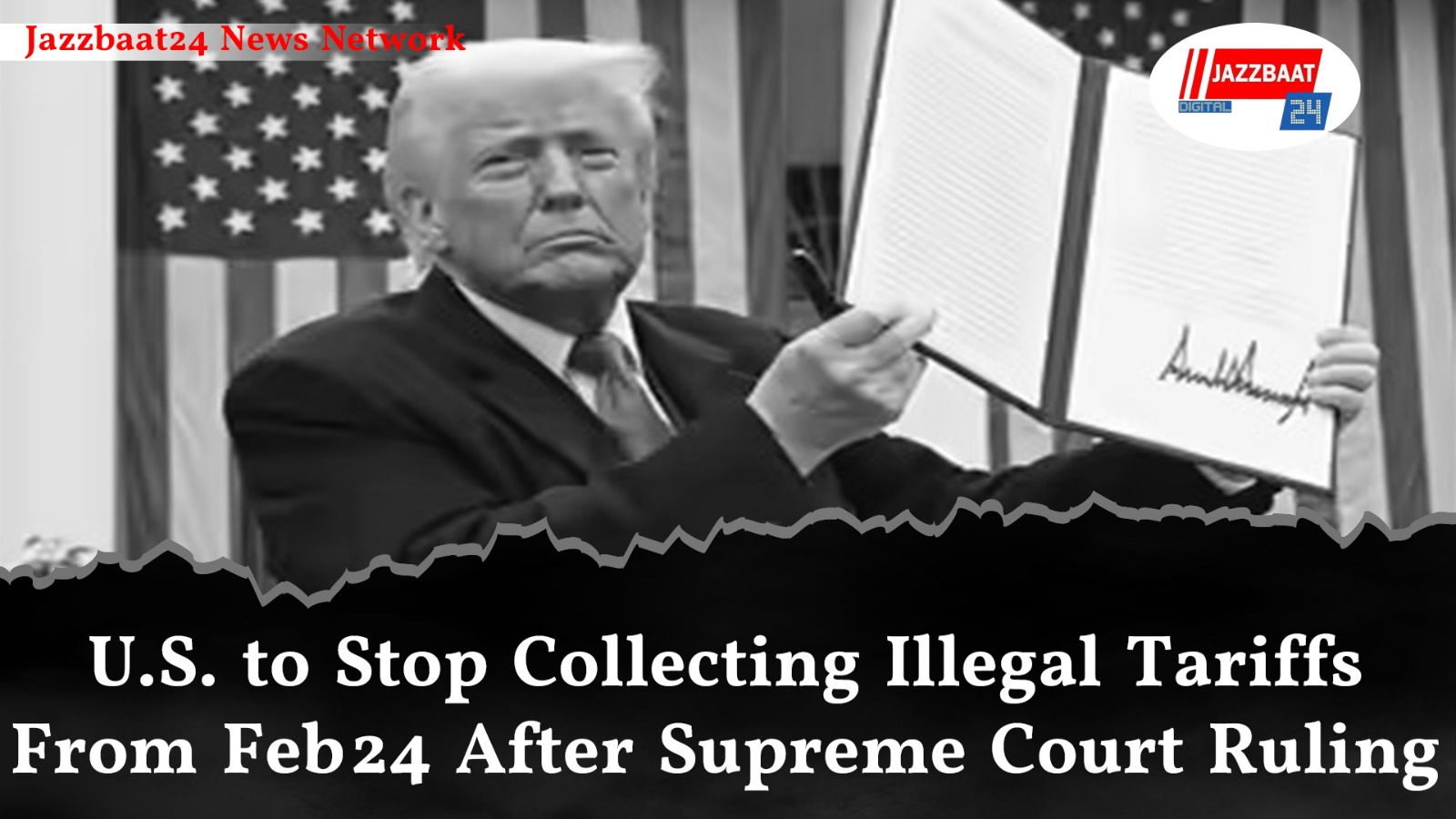
The United States Customs and Border Protection (CBP) agency has announced it will stop collecting a set of tariffs deemed illegal by the U.S. Supreme Court, effective 12:01 a.m. EST (Tuesday, Feb 24). This follows the court’s landmark decision that found broad tariffs imposed under the International Emergency Economic Powers Act (IEEPA) were outside presidential authority.
The tariffs in question were introduced last year under presidential orders that relied on emergency powers, but the Supreme Court ruled they lacked proper legal grounding since only Congress can authorize such sweeping trade duties in peacetime. The justices’ decision marked a significant check on executive authority and struck down a large portion of the controversial tariff regime.
Under the CBP directive, all the tariff codes tied to those IEEPA‑based duties will be deactivated, meaning importers will no longer be charged these duties on goods entering the U.S. from that date. However, the agency has not yet clarified whether companies or countries that paid these tariffs while they were in effect will receive refunds, a complex issue that lawyers and economists say could involve billions of dollars.
The halt applies only to tariffs struck down in the court ruling. Duties imposed under other legal authorities, such as national security and trade practice statutes, remain in place. Meanwhile, the U.S. administration has responded by announcing new global tariff measures under a different statute, underscoring broader trade policy tensions and continued scrutiny from international partners.
The decision has drawn international reaction, with some trade partners calling for respect of existing agreements and cautioning against unpredictable import policies, highlighting the interconnected impact of U.S. trade law decisions on the global economy.
This move marks a major shift in U.S. tariff policy and could influence future trade negotiations and economic strategies worldwide.