
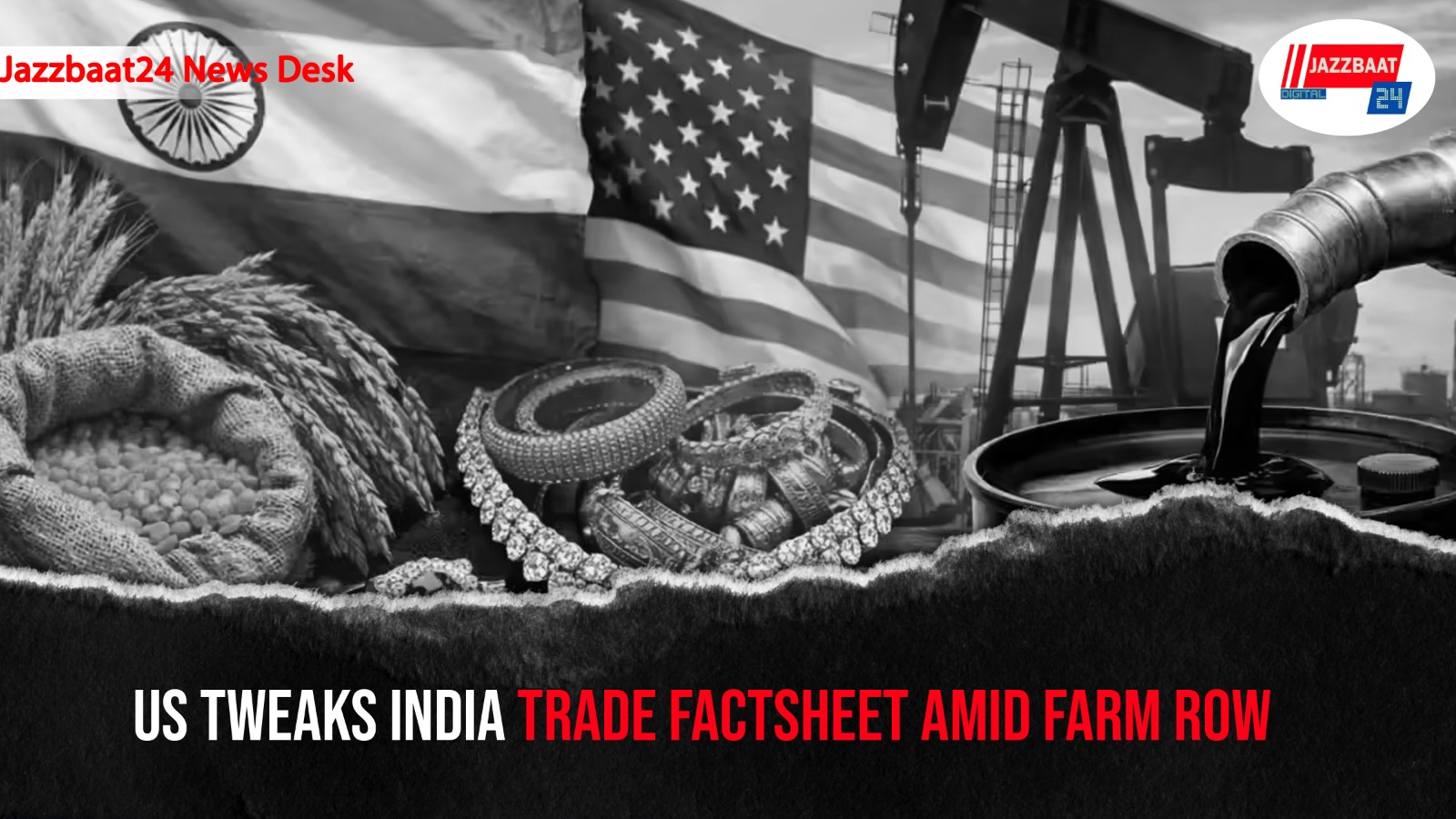
The United States has revised its official factsheet on the recently announced India-US trade framework, removing references to tariff cuts on “certain pulses” and softening language around India’s alleged purchase commitments. The changes come amid sharp political reactions in India, particularly over concerns related to the agriculture sector.
In its earlier version, the White House had stated that India would “eliminate or reduce tariffs” on a range of American goods, including dried distillers’ grains (DDGs), red sorghum, tree nuts, fruits, soybean oil, wine, spirits and “certain pulses.” However, the updated factsheet has dropped any mention of pulses, a politically sensitive commodity in India.
India is the world’s largest producer and consumer of pulses such as lentils, chickpeas and dry beans. The sector supports millions of small farmers, and New Delhi has historically imposed high tariffs on such imports to protect domestic interests. The removal of pulses from the US document suggests India may have pushed back on that characterization.
Another notable change involves the wording of India’s purchasing plans. The earlier document said India had “committed” to buying over $500 billion worth of US goods, including agricultural products. The revised version replaces “committed” with “intends” and removes any reference to agricultural goods from that figure.
Similarly, references to India eliminating digital services taxes have been toned down. The new text now states that both sides will negotiate digital trade rules, without explicitly mentioning tax removal.
The revisions come a day after Congress president Mallikarjun Kharge criticised the Centre, calling the trade pact a “PR-wrapped betrayal” and raising concerns about its impact on farmers and strategic autonomy.
The government, however, has maintained that sensitive sectors remain protected. Commerce Minister Piyush Goyal said the agreement is “fair, balanced and equitable,” asserting that Indian farmers and key domestic industries will not suffer under the deal.