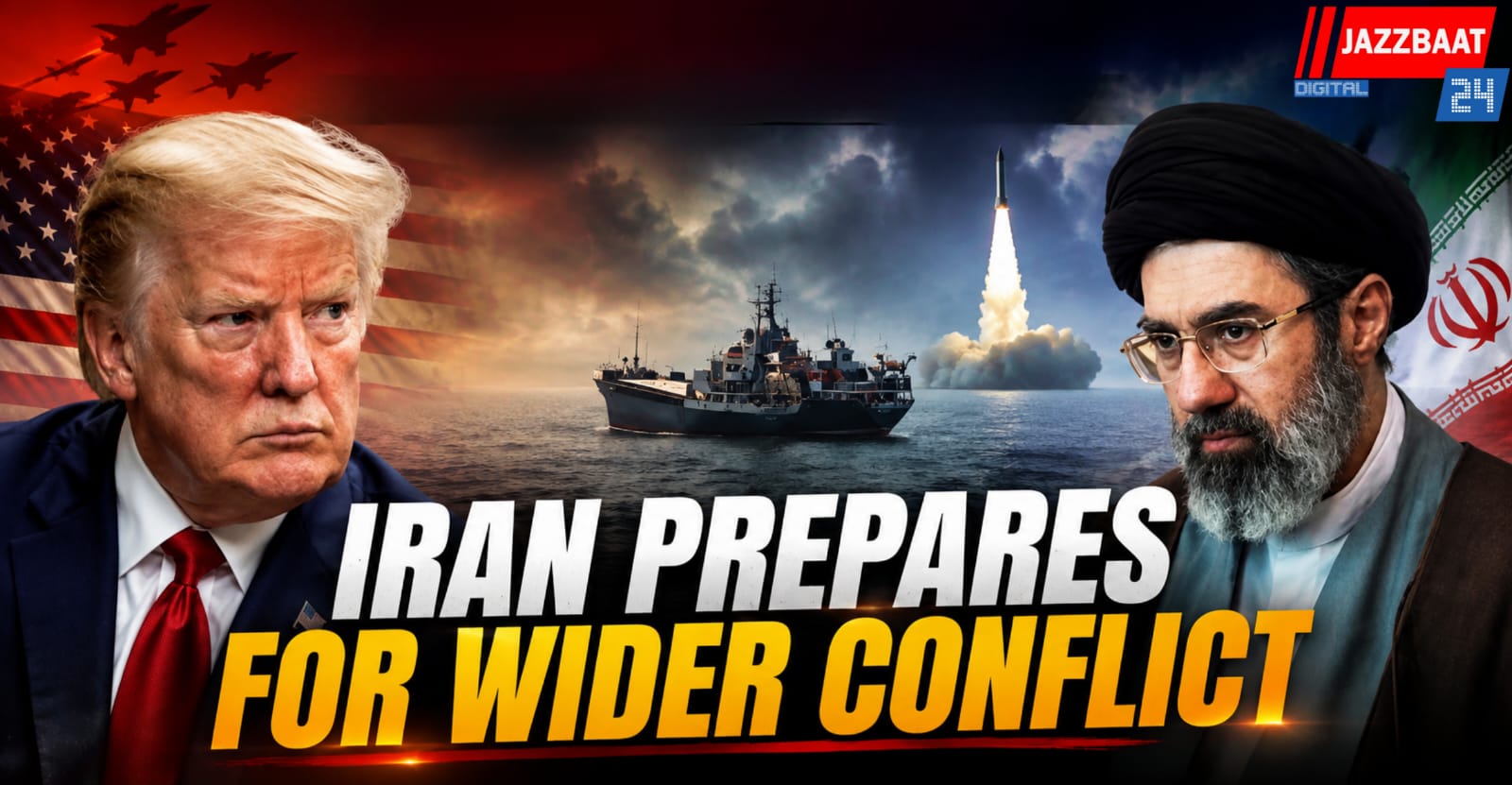
Washington: Iran’s Islamic Revolutionary Guard Corps (IRGC) reportedly used the recent period of relative calm with the United States to strengthen preparations for a potentially wider confrontation with the US and Israel, according to a Wall Street Journal report citing Iranian and Arab officials.
The preparations reportedly include plans for pre-emptive strikes, attacks on military targets and possible operations on foreign territory. The assessment suggests that Iran’s military leadership viewed the ceasefire not simply as an opportunity for diplomacy, but also as valuable time to rebuild and reorganise its forces.
According to the reports, the IRGC expanded missile and drone production, strengthened counterintelligence capabilities and worked to restore military infrastructure damaged during earlier fighting. Iran also reportedly coordinated more closely with allied armed groups in Yemen, Iraq and Lebanon.
One of the most concerning elements of the reported planning involves potential operations against US-linked targets in the Gulf. Kuwait has emerged as a particular concern because it hosts American military facilities and has previously been targeted during the wider conflict. Reports of a possible Iranian ground operation into Kuwait remain an allegation and do not indicate that such an operation has been launched.
The developments come as the US-Iran diplomatic process has stalled following the collapse of a June agreement aimed at reducing hostilities and resolving the dispute over the Strait of Hormuz. Iran has maintained that the strait will remain closed until Washington meets its demands, including lifting the naval blockade and implementing agreed economic measures.
Iranian officials have also warned that Tehran could shift from a defensive posture to a more offensive strategy if diplomacy fails. A senior Iranian official told Reuters that Iran was prepared to take “timely and precise” military measures to challenge the US naval blockade and protect its position around Hormuz.
The Strait of Hormuz remains at the centre of the confrontation because of its importance to global energy supplies. The latest escalation has already unsettled oil markets, with Brent crude rising above $90 a barrel as fears of prolonged disruption increased.
With diplomatic efforts showing little progress, the reported Iranian preparations raise fears that the current lull could give way to a broader regional conflict involving Iran, the United States, Israel and potentially Gulf states hosting American forces.