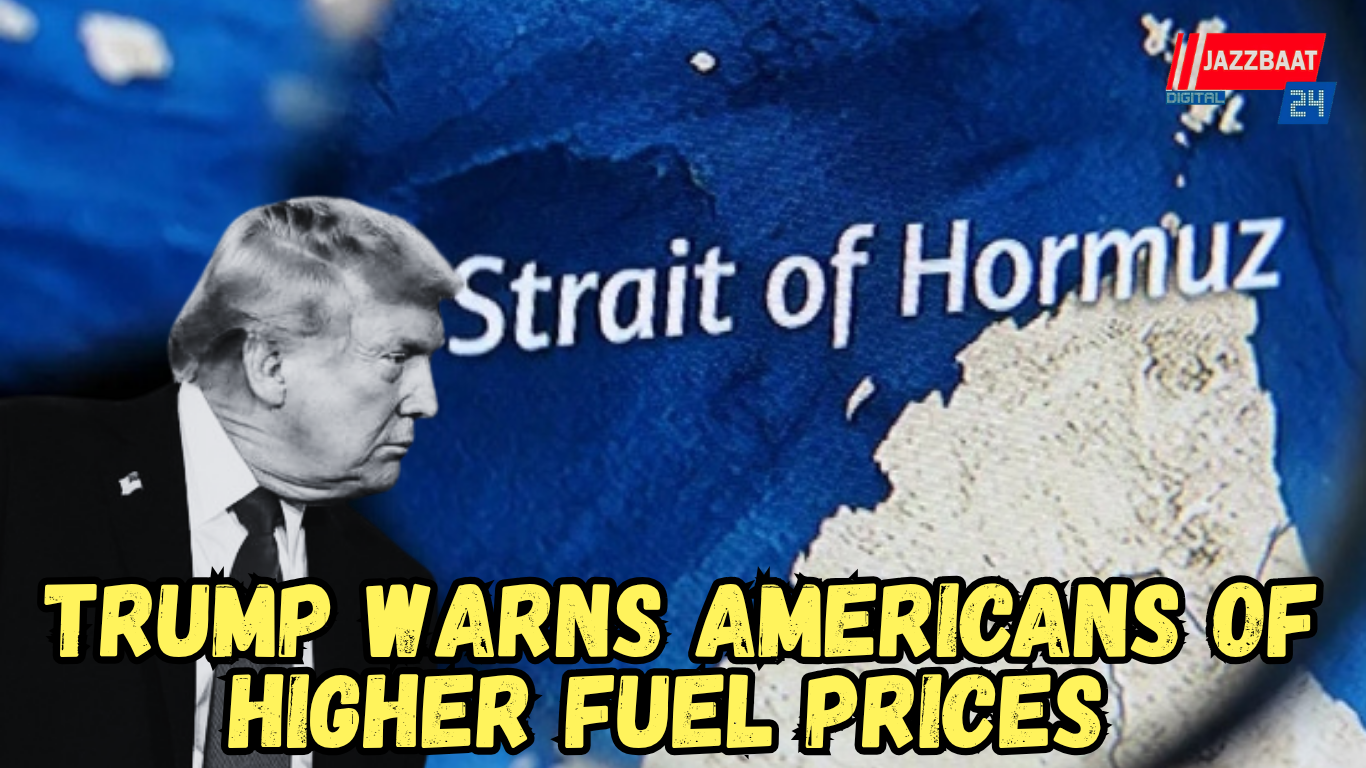
Iran has called on the United States to accept defeat as tensions over the Strait of Hormuz continue to deepen, while US President Donald Trump has warned Americans that gasoline prices could remain high as the war with Iran drags on.
Iranian officials said Tehran remains in control of the strategically important Strait of Hormuz and has not agreed to reopen the waterway to international shipping. Deputy Foreign Minister Kazem Gharibabadi said Iran would decide when the strait could be reopened, while Foreign Minister Abbas Araqchi indicated that talks with Washington would not resume unless the US met Iran's conditions regarding the waterway.
The Strait of Hormuz is one of the world's most important energy routes, carrying roughly one-fifth of global oil supplies before the conflict disrupted shipping. The continued closure has raised concerns about further pressure on global oil markets and fuel costs. Analysts have warned that oil prices could remain elevated while the waterway stays closed, with markets potentially taking time to stabilise even after shipping resumes.
Trump, meanwhile, defended the economic impact of the conflict during a political rally in Garden City, New York. He urged Americans to accept higher gasoline prices, arguing that paying more at the pump was a necessary cost of preventing Iran from obtaining a nuclear weapon.
US gasoline prices have already risen sharply. According to figures cited by Reuters and the American Automobile Association, the national average was around $4.08 per gallon on Friday, approximately 29% higher than a year earlier. The increase is adding to concerns about inflation and the cost of living in the United States.
Trump has also escalated his rhetoric over the Strait of Hormuz. He said the United States could soon declare the strategic waterway US territory after what he described as the defeat of Iran. Iran has rejected Washington's claims and insisted that the strait remains under its control.
The standoff comes as the broader conflict continues to put pressure on energy markets and raise fears of further regional escalation. Any prolonged disruption in the Strait of Hormuz could affect crude oil supplies, shipping costs and fuel prices well beyond the Middle East.
For now, neither side appears ready to back down. Iran is demanding that Washington accept its conditions before shipping can resume, while Trump continues to insist that pressure on Tehran must continue. The confrontation over Hormuz therefore remains a major risk for global energy markets and the wider world economy.