
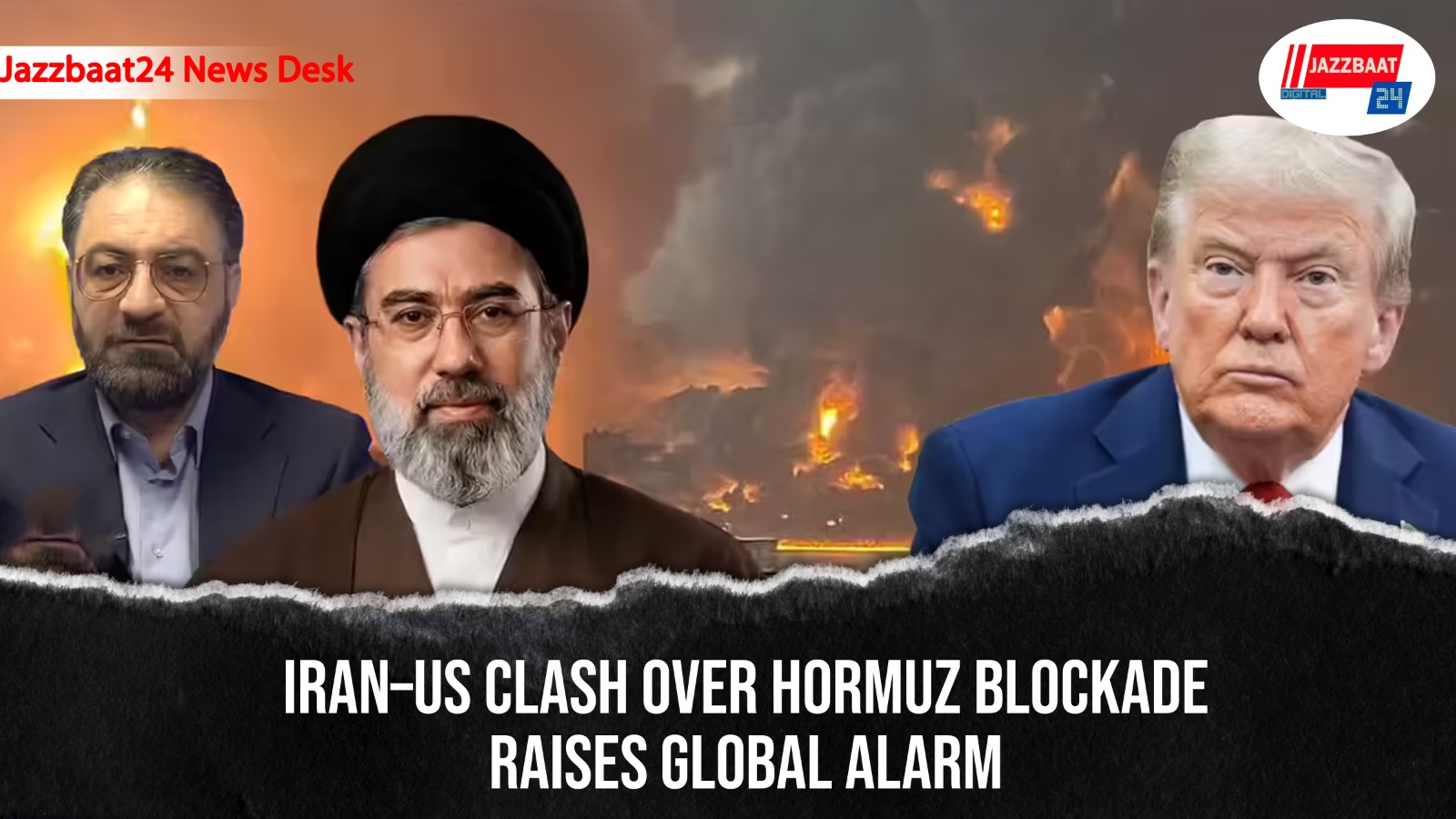
Tensions between Iran and the United States have escalated sharply over the ongoing blockade and counter-threats in the strategically vital Strait of Hormuz, triggering global concerns over energy supply and regional stability.
The crisis stems from the broader 2026 conflict involving Iran, the U.S., and its allies. After U.S.-led military actions against Iran earlier this year, Tehran retaliated by targeting shipping routes and threatening to restrict movement through the Strait of Hormuz—a narrow passage through which nearly 20% of the world’s oil and gas supplies pass.
In response, the United States imposed a naval blockade on Iranian ports and vessels, deploying warships and warning that any ship attempting to breach the restrictions could face forceful interception. This move is aimed at cutting off Iran’s oil exports, a critical source of revenue for its economy. Analysts estimate that the blockade is already disrupting around 2 million barrels of Iranian oil exports per day, tightening global supply.
Iran has reacted strongly, warning that continued U.S. pressure could lead to wider regional disruption. Officials have threatened to halt trade routes and even escalate the crisis by targeting other key maritime corridors if the blockade continues. At the same time, Tehran has shown some flexibility, proposing limited safe passage arrangements through parts of the strait under certain conditions, indicating that diplomatic options are still being explored.
The Strait of Hormuz has become the central flashpoint in the conflict. Since late February, shipping traffic has dropped dramatically, with many vessels avoiding the area due to security risks, including reported attacks and sea mines. This disruption has had immediate global consequences, including rising oil prices and concerns over supply chains, especially for energy-dependent countries like India.
Meanwhile, diplomatic efforts are underway to prevent further escalation. Indirect talks between Iran and the U.S., mediated by regional players such as Pakistan, are attempting to extend a fragile ceasefire and resolve disputes over sanctions and maritime control. However, key disagreements remain unresolved, particularly over the blockade and Iran’s regional influence.
The situation remains highly volatile. While both sides continue to signal willingness for negotiations, military deployments and aggressive rhetoric indicate that the risk of a broader conflict persists. The outcome of the Hormuz standoff will not only shape the future of U.S.-Iran relations but also have far-reaching implications for global energy markets and geopolitical stability.