
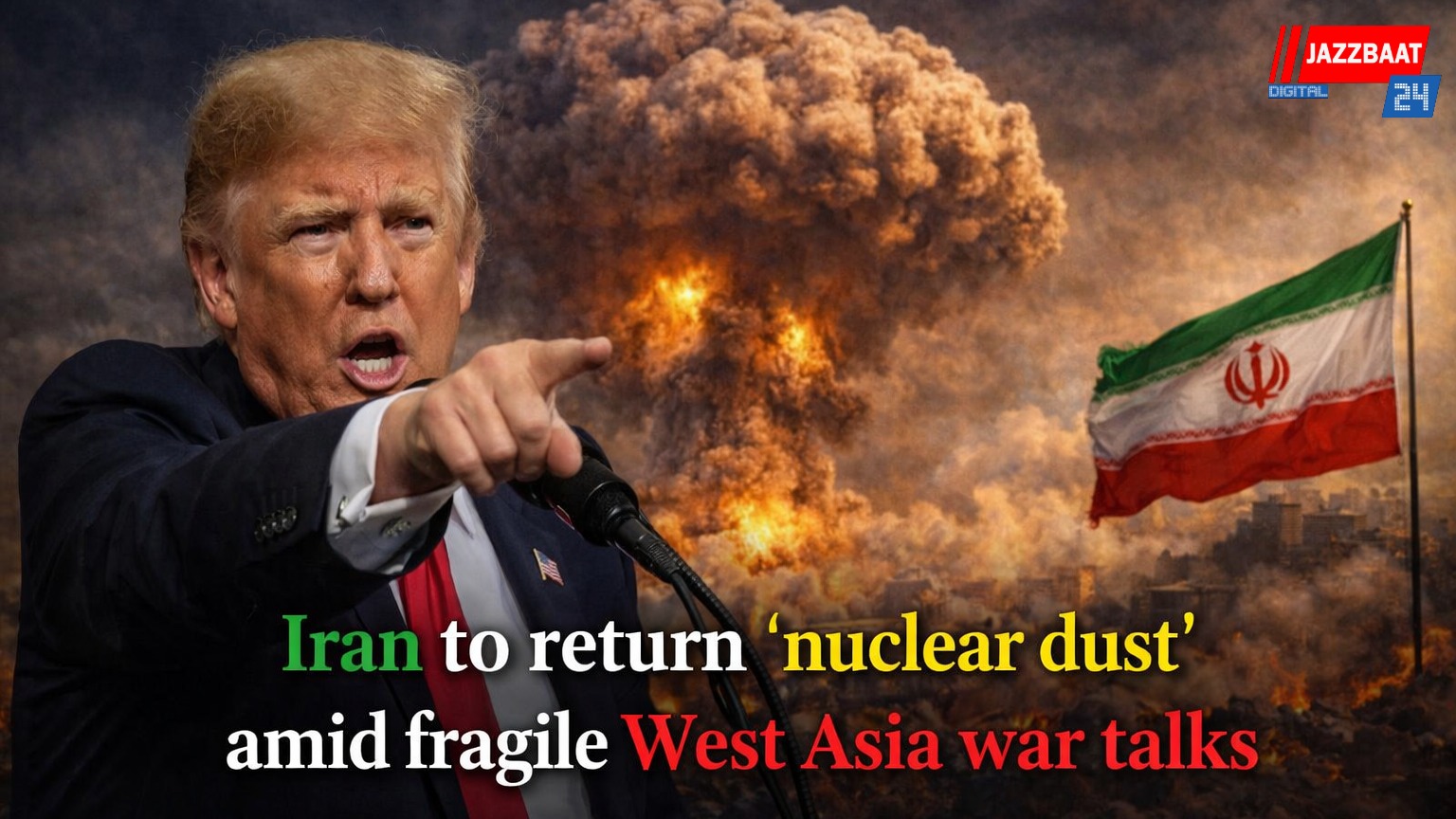
U.S. President Donald Trump has sparked global attention with a controversial claim that Iran has agreed to hand over what he described as “nuclear dust,” as part of ongoing negotiations to end the prolonged West Asia conflict. The remark comes at a time when fragile diplomatic efforts are underway to de-escalate tensions involving Iran, Israel, and the United States.
According to Trump, the term “nuclear dust” refers to highly enriched uranium that was allegedly buried or dispersed following U.S. airstrikes on Iranian nuclear facilities in 2025. He suggested that Iran has agreed to return or neutralise this material and commit to not pursuing nuclear weapons in the future.
However, there has been no official confirmation from Tehran regarding such an agreement. Iranian authorities have remained largely silent on the specific claim, and analysts caution that similar assertions in the past have not always translated into verifiable outcomes.
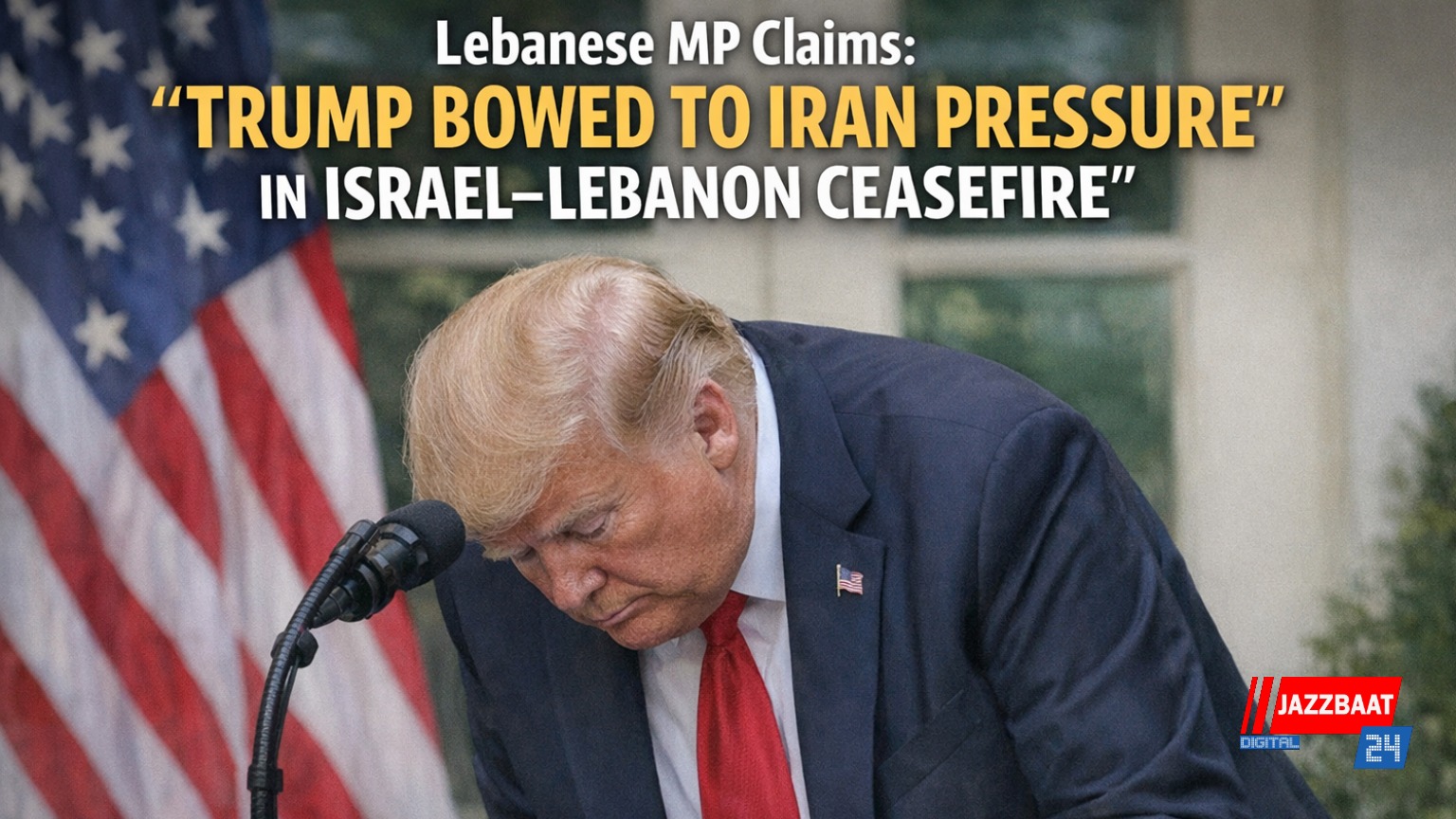
The broader backdrop is the ongoing West Asia war, which began earlier in 2026 following coordinated U.S.-Israeli strikes on Iranian targets. The conflict quickly escalated, drawing in regional actors including Hezbollah in Lebanon and leading to widespread instability. A temporary 10-day ceasefire between Israel and Lebanon has recently come into effect, though violations have already been reported.
Diplomatic efforts to end the war are currently being mediated by Pakistan, with backchannel talks involving senior officials from both Washington and Tehran. While a comprehensive peace deal remains elusive, both sides are reportedly considering a temporary agreement or memorandum to halt hostilities and prevent further escalation.
A key sticking point in negotiations remains Iran’s nuclear programme. The United States is pushing for a long-term suspension of uranium enrichment, reportedly up to 20 years, while Iran is seeking shorter-term commitments and relief from sanctions.
The conflict has also had major global economic repercussions. The closure of the Strait of Hormuz a critical oil transit route disrupted nearly 20% of global oil supply, causing sharp price spikes before easing slightly on hopes of a diplomatic breakthrough.
Trump has expressed optimism that the war could end “soon,” but the situation remains highly volatile. While his claim about “nuclear dust” signals a potential breakthrough, the lack of independent verification and continued mistrust between the parties underline the uncertainty surrounding any lasting peace.
As negotiations continue, the West Asia crisis remains a complex geopolitical flashpoint, with nuclear concerns, regional rivalries, and global economic stakes all tightly intertwined.