

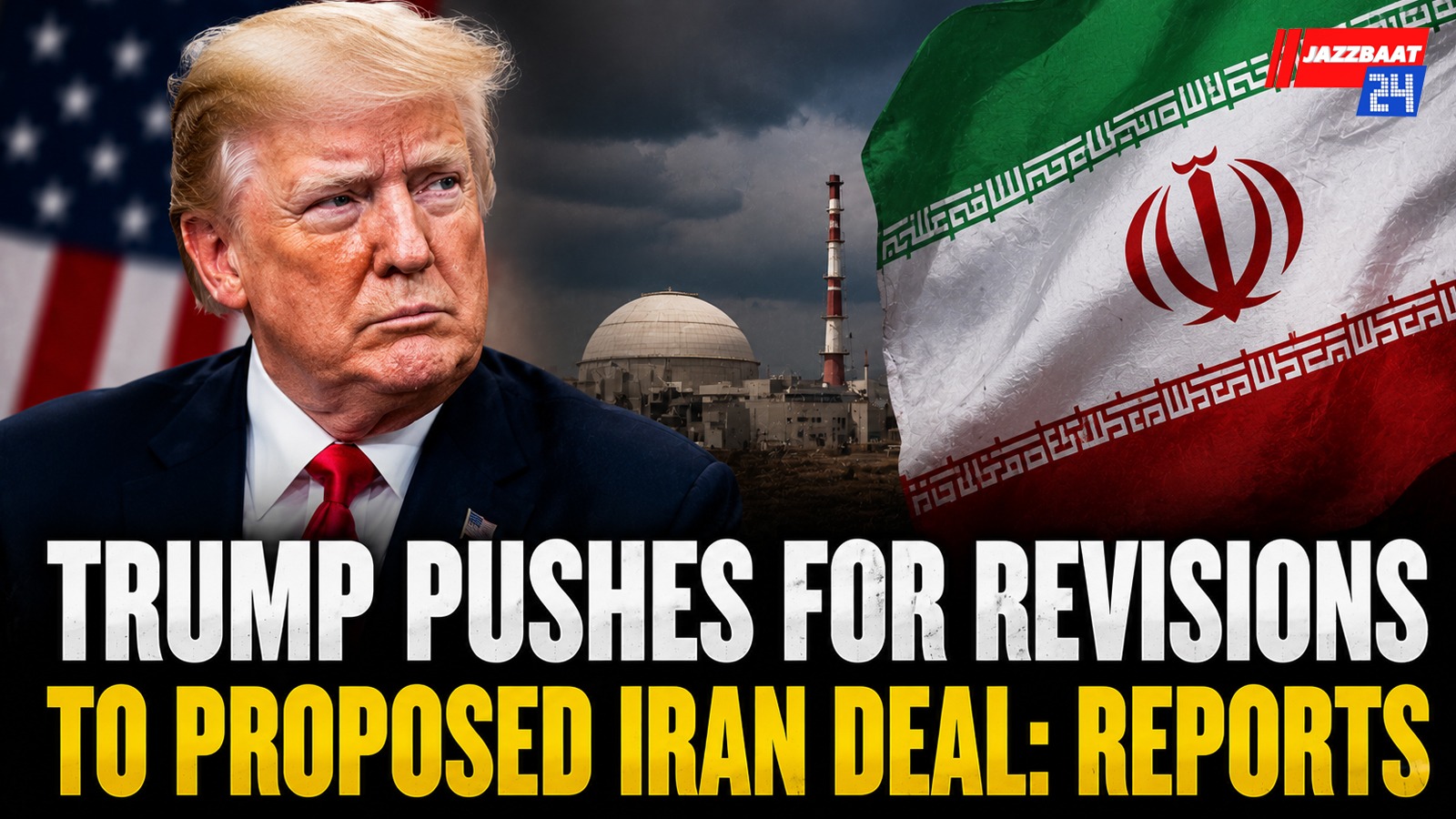
U.S. President Donald Trump has reportedly asked for several changes to a proposed agreement between the United States and Iran, introducing fresh uncertainty into negotiations that had appeared close to completion. According to multiple media reports, Trump returned the draft deal to his advisers with instructions to strengthen provisions related to Iran’s nuclear program and the strategic Strait of Hormuz.
The proposed agreement, negotiated by U.S. and Iranian representatives in recent weeks, was intended to extend a ceasefire framework and open the door to broader discussions on Iran’s nuclear activities, sanctions relief, and regional security. However, Trump is said to believe that several provisions require tougher language before any final approval is granted.
One of the key issues concerns Iran’s stockpile of highly enriched uranium. Reports indicate that Trump wants more detailed commitments regarding how and when the material would be removed or destroyed. Administration officials have suggested that the president is seeking stronger guarantees to ensure Iran cannot develop nuclear weapons in the future.
Another major point of contention is the Strait of Hormuz, one of the world's most important energy shipping routes. Trump has repeatedly insisted that the waterway remain open to unrestricted international shipping and has reportedly sought revisions to provisions related to navigation and security in the strait.
The latest developments come after Trump said last week that he would make a “final determination” on the proposed agreement following consultations with senior advisers at the White House. While negotiations have made progress, officials on both sides acknowledge that significant differences remain.
Iranian officials have responded cautiously to the reports, emphasizing that trust remains a major obstacle in the talks and that any agreement must be judged by actions rather than promises.
Despite the new demands, U.S. officials remain optimistic that an agreement can still be reached. Reports suggest that negotiations are continuing, although the revised terms may delay a final deal. Observers say the outcome of the talks could have major implications for regional stability, global energy markets, and future U.S.-Iran relations.