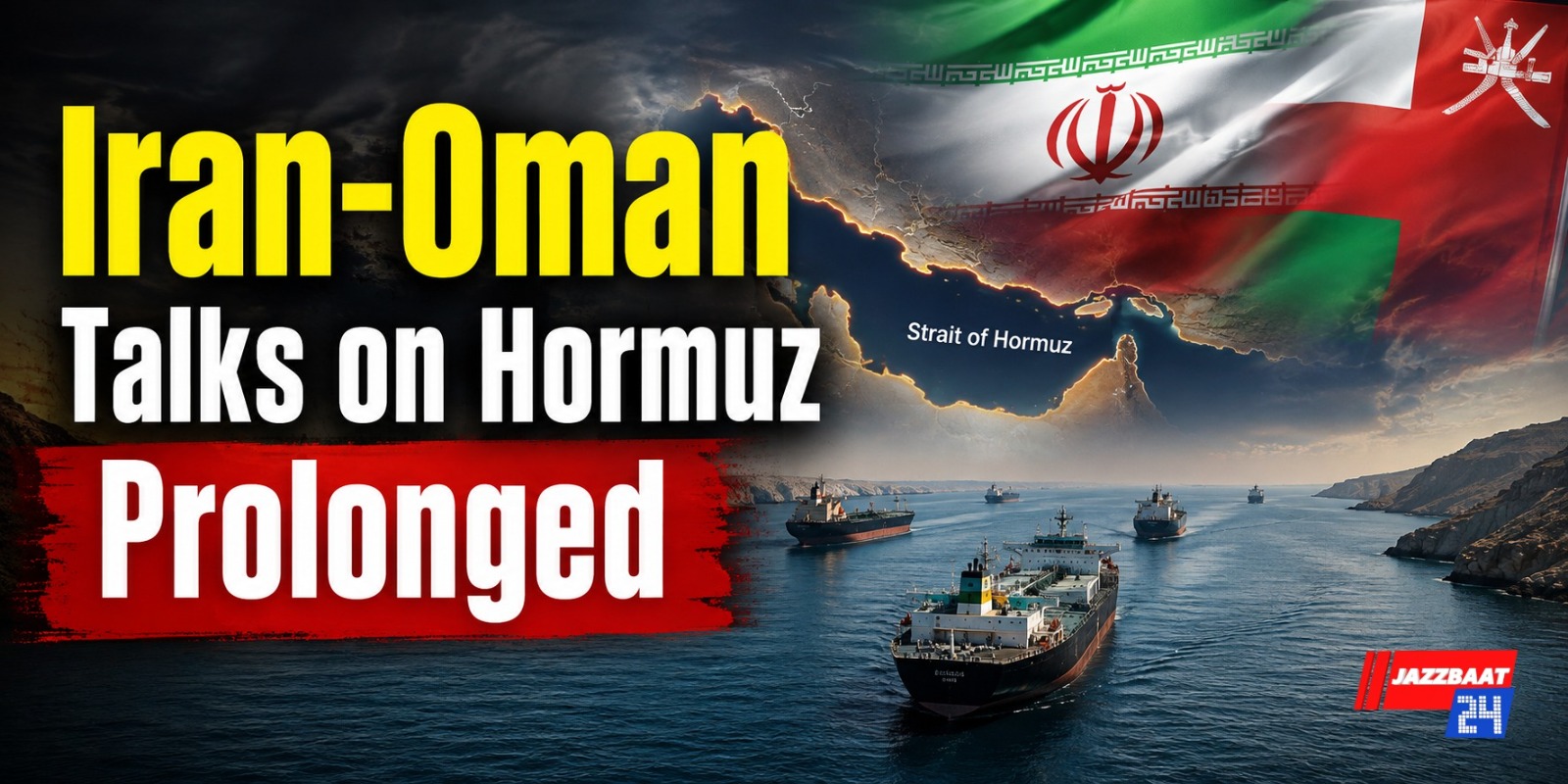
Tehran, August 17: Talks between Iran and Oman on arrangements for shipping through the strategic Strait of Hormuz are taking longer than expected because of the complexity of the issue and the involvement of multiple parties, Iranian Foreign Ministry spokesperson Esmail Baghaei said on Monday.
Baghaei said discussions between Tehran and Muscat were continuing, but reaching a final understanding required addressing several complicated matters. He also indicated that other countries and groups were seeking to influence the process, adding further difficulty to the negotiations.
The Strait of Hormuz is one of the world's most important energy routes, connecting the Persian Gulf with the Gulf of Oman. Any prolonged disruption to shipping through the waterway has the potential to affect global oil supplies and push up energy prices.
The latest talks are focused on creating arrangements that would allow commercial vessels to safely navigate the strait. Iran and Oman have already agreed to continue discussions through a joint working group involving their foreign ministries. The two countries have said the future administration of navigation, maritime services and related costs will be discussed in line with international standards.
Iran has maintained that the rights and sovereignty of the coastal states must be respected. Oman, meanwhile, has stressed the importance of keeping the waterway secure and open for international navigation.
The negotiations come as wider diplomatic efforts to ease tensions between Iran and the United States remain stalled. Shipping through the Strait of Hormuz has slowed sharply, raising concerns among energy-importing countries and sending fresh uncertainty through global oil markets. Reuters reported that only a handful of vessels crossed the waterway over the weekend, compared with much higher traffic previously.
The situation has also drawn attention from Washington. US President Donald Trump has made strong statements about the future of the strait, while Iran has rejected any suggestion that another country could claim control over the strategic waterway.
Despite the difficulties, Tehran says diplomatic efforts with Oman are continuing. Officials are working to settle the practical arrangements needed for commercial shipping while protecting the interests and sovereignty of the countries bordering the strait.
For now, the negotiations remain ongoing, with the complexity of the issue making a quick final agreement difficult. Any breakthrough could provide relief to international shipping and global energy markets, while further delays could keep uncertainty around the crucial waterway high.