
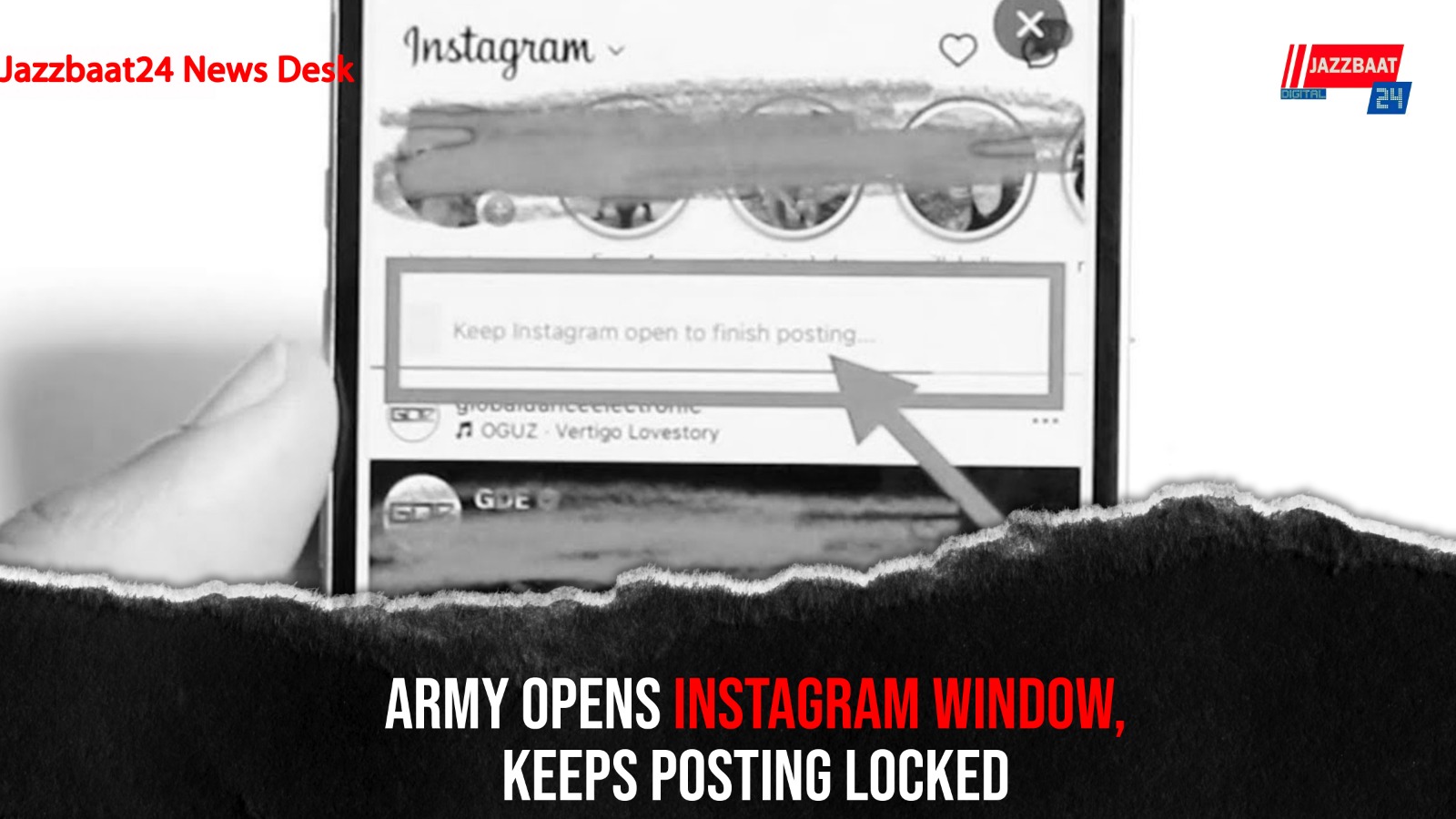
In a calibrated shift reflecting the realities of the digital age, the Indian Army has allowed its personnel to use Instagram but strictly for viewing and monitoring, not for posting or interaction. According to sources, soldiers and officers can now access content on the platform to stay informed, while existing restrictions on posting, liking, commenting or sharing remain firmly in place.
The updated guidelines have been circulated across all Army units and departments. The intent, sources say, is to enable personnel to remain aware of online narratives, track information trends and identify fake or misleading content, which can then be flagged to senior officers. This move marks a transition from an earlier near-total clampdown on social media to a more controlled and purpose-driven use.
The Army has historically enforced strict social media rules due to security concerns. In the past, instances of personnel falling prey to honey traps by foreign intelligence agencies led to inadvertent leaks of sensitive information. As a result, in 2020, soldiers were instructed to delete dozens of apps, including Facebook and Instagram.
Speaking recently at the Chanakya Defence Dialogue, Army Chief General Upendra Dwivedi acknowledged the challenge of balancing discipline with modern communication needs. He noted that smartphones have become an “absolute necessity” for soldiers, particularly those deployed in remote areas, helping them stay connected with families, manage personal responsibilities and access information.
However, General Dwivedi drew a clear line between “reacting” and “responding” on social media. Emphasising restraint, he said soldiers are encouraged to observe rather than engage online, underscoring that the Army does not react impulsively but responds thoughtfully an approach he described as a strategic message to adversaries.
While personnel can now view content on platforms like Instagram, Facebook, X and YouTube under strict monitoring, the Army’s official social media handles remain the sole authorised voices during sensitive operations. The policy reflects a broader shift from complete bans to controlled use, blending operational security with the communication needs of a new generation of soldiers.