
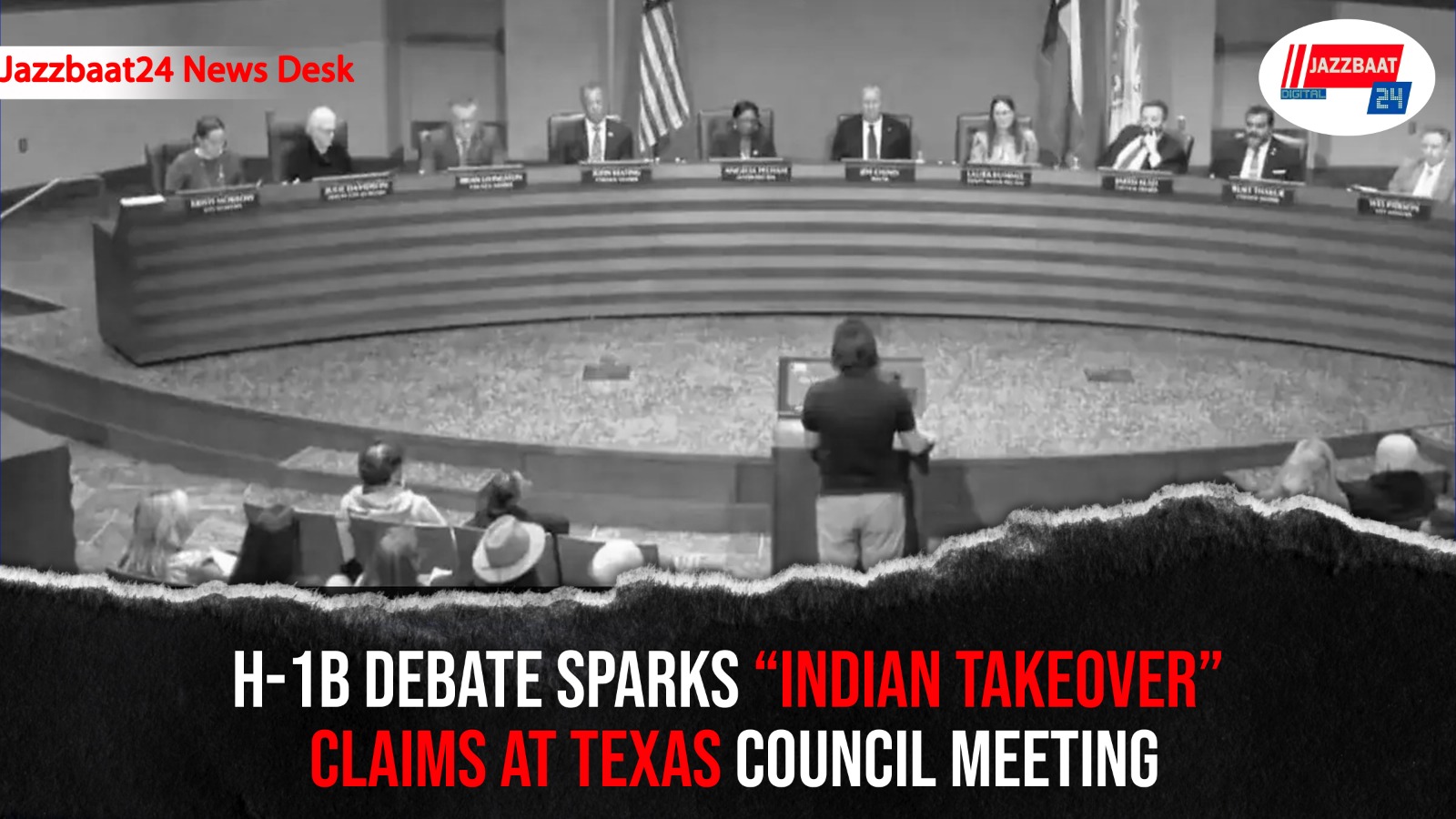
A Frisco, Texas, city council meeting on February 3 turned into a heated flashpoint in the U.S. immigration debate, as residents clashed over the H-1B visa program and the city’s changing demographics. Several speakers, some wearing “America First” caps and symbols linked to far-right movements, claimed the H-1B system, allowing U.S. employers to hire foreign workers in specialized sectors such as technology, was being abused, alleging a so-called “Indian Takeover” of the city. Nearly three-quarters of the 65,000 H-1B visas issued nationally go to Indian nationals.
Some attendees argued that Frisco’s population shift, with Asian residents rising from 26% in 2020 to 33% in 2026, was occurring “at a speed no community can absorb without damage.” A University of North Texas student voiced concerns about children becoming “foreigners in classrooms their tax dollars paid for,” reflecting unease over rapid demographic changes.
However, city officials clarified that immigration policies are managed federally and not by the municipality. Claims of widespread H-1B fraud remain unverified. Indian-American residents emphasized the need to separate enforcement from ethnicity, urging authorities to target actual violations rather than entire communities. “Go after fraudsters, not families,” one commenter wrote online.
Frisco Mayor Jeff Cheney stressed a message of inclusivity, highlighting the city’s multicultural identity. “Other than a handful of native Frisconians, everyone here is from somewhere else. Our mission is to make all residents feel welcome and safe,” he told The Dallas Morning News.
While the H-1B debate continues, observers note that cities like Frisco increasingly rely on immigrants for economic growth, especially in technology and specialized sectors. The council meeting underscores the tension between rapid demographic change, local perceptions, and the need for fact-based discussions on immigration.