

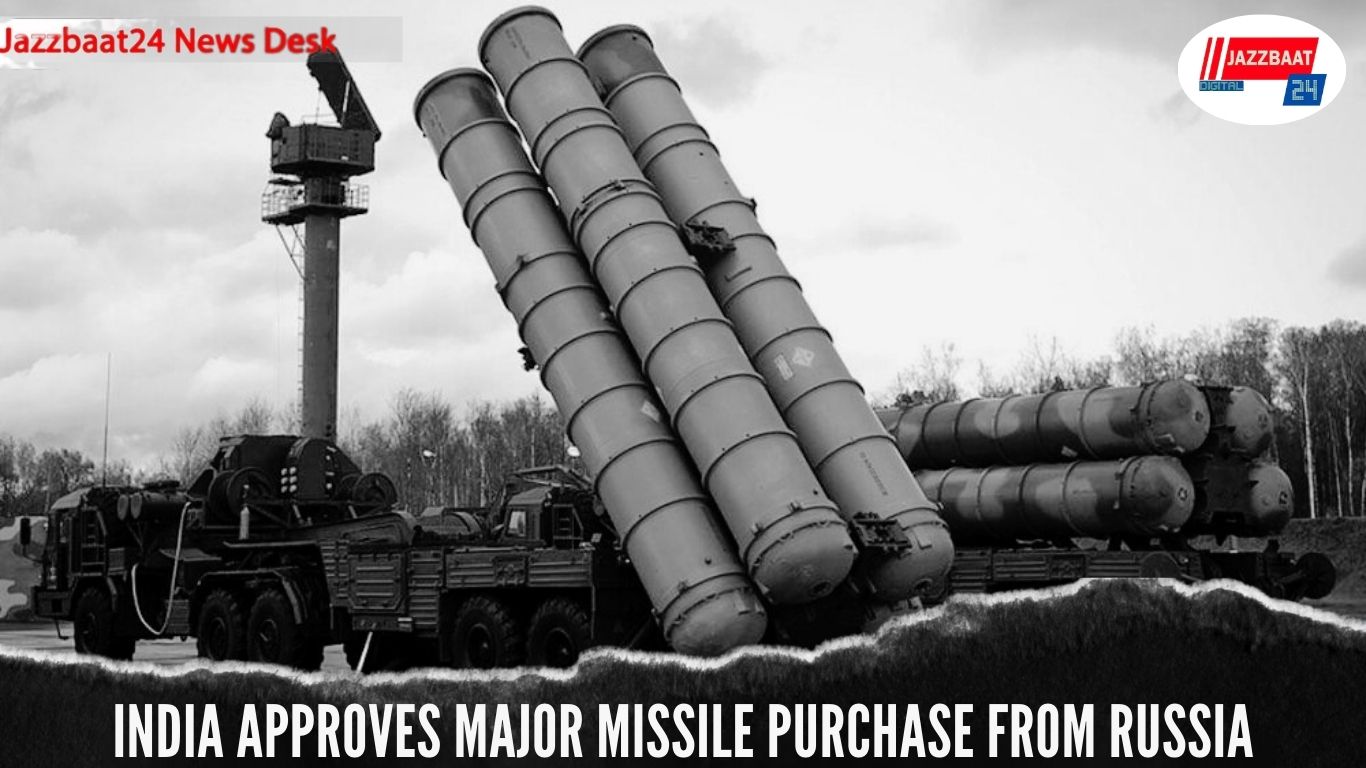
Rajnath Singh-led Defence Acquisition Council has approved the procurement of 288 advanced surface-to-air missiles from Russia, strengthening India’s air defence capabilities amid evolving security challenges. The decision was taken under the council’s Acceptance of Necessity (AoN) framework at an estimated cost of ₹10,000 crore.
According to defence officials, the missiles will replenish stocks that were significantly used during Operation Sindoor and further enhance India’s long-range and short-range air defence preparedness. The approved package includes 120 short-range missiles and 168 long-range missiles, which will be acquired through the government’s Fast Track Procedure to ensure timely delivery.
The new missiles will support India’s existing air defence network by forming a two-layered protection system capable of intercepting aerial threats such as fighter aircraft, armed drones, and surveillance aircraft. The procurement is also linked to strengthening the operational capabilities of the Indian Air Force, which has been advocating for additional missile systems to address emerging aerial threats.
Sources said India is already set to receive two more missile defence systems under earlier contracts, expected to be delivered later this year. Meanwhile, the Indian Air Force has proposed the purchase of five additional systems along with the Pantsir short-range defence system to boost protection against drone and missile attacks.
The defence acquisition process involves multiple stages of approval to ensure transparency and oversight. After receiving AoN clearance, the proposal will undergo cost negotiations with the supplier before final approval by the Cabinet Committee on Security.
Along with missile procurement, the defence ministry also cleared several other proposals worth approximately ₹3.60 lakh crore, including multi-role fighter aircraft, advanced combat missiles, and naval surveillance aircraft. Officials believe these acquisitions will significantly enhance India’s deterrence capability, improve long-range strike power, and strengthen overall national security preparedness.