

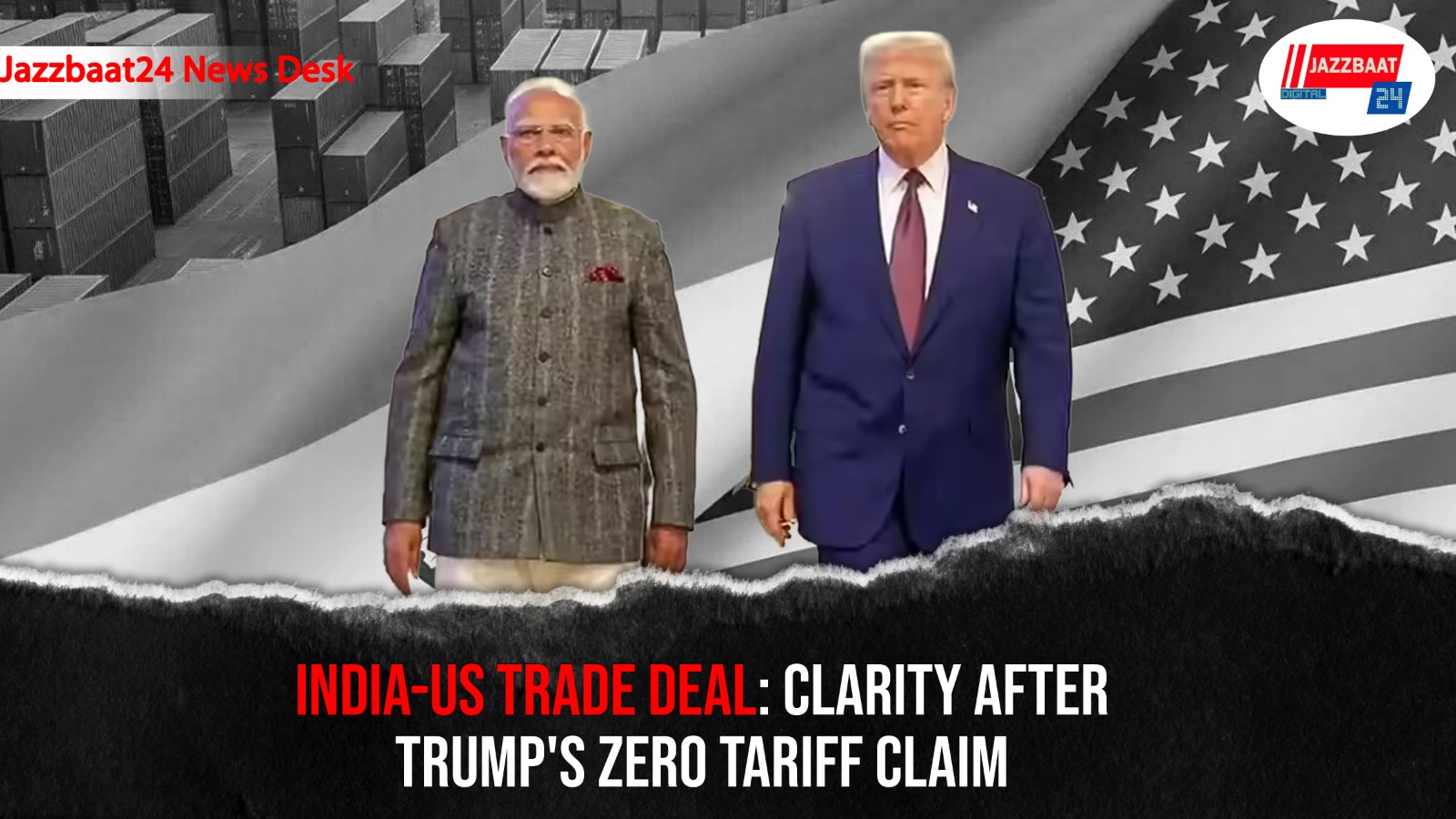
The United States and India have moved closer to finalizing a landmark trade deal, with both sides clarifying key aspects after President Donald Trump’s claim that India would cut tariffs on American goods to “zero.” The White House released a detailed factsheet to outline the actual terms of the agreement, aiming to reduce confusion and reassure businesses in both countries.
Under the deal, India has agreed to “eliminate or reduce tariffs” on a wide range of US industrial goods and agricultural products, including dried distillers’ grains, red sorghum, tree nuts, fresh and processed fruits, pulses, soybean oil, and wine and spirits. The agreement also covers commitments to remove digital services taxes and implement clear bilateral digital trade rules to address burdensome practices and trade barriers.
In return, the United States will lower its reciprocal tariff on Indian imports from 25% to 18% and remove an additional 25% tariff on Indian goods. This step recognizes India’s pledge to reduce its reliance on Russian oil. Both nations have agreed to negotiate “rules of origin” to ensure benefits are shared predominantly between the US and India.
The White House emphasized that the deal also strengthens economic security alignment, enhances supply chain resilience, and promotes joint technology cooperation. India is expected to purchase over $500 billion worth of US energy, ICT products, and agricultural goods, creating opportunities for American businesses while providing Indian consumers with wider product access.
President Trump’s “zero tariff” phrasing referred more to a phased reduction in duties rather than an immediate elimination. The clarification aims to calm concerns among Indian traders and sets the stage for broader bilateral trade negotiations. The interim framework will soon be implemented, moving both countries toward a mutually beneficial Bilateral Trade Agreement (BTA).
The deal represents a significant step in deepening economic ties between two of the world’s largest democracies and boosting trade in technology, agriculture, and industrial sectors.