
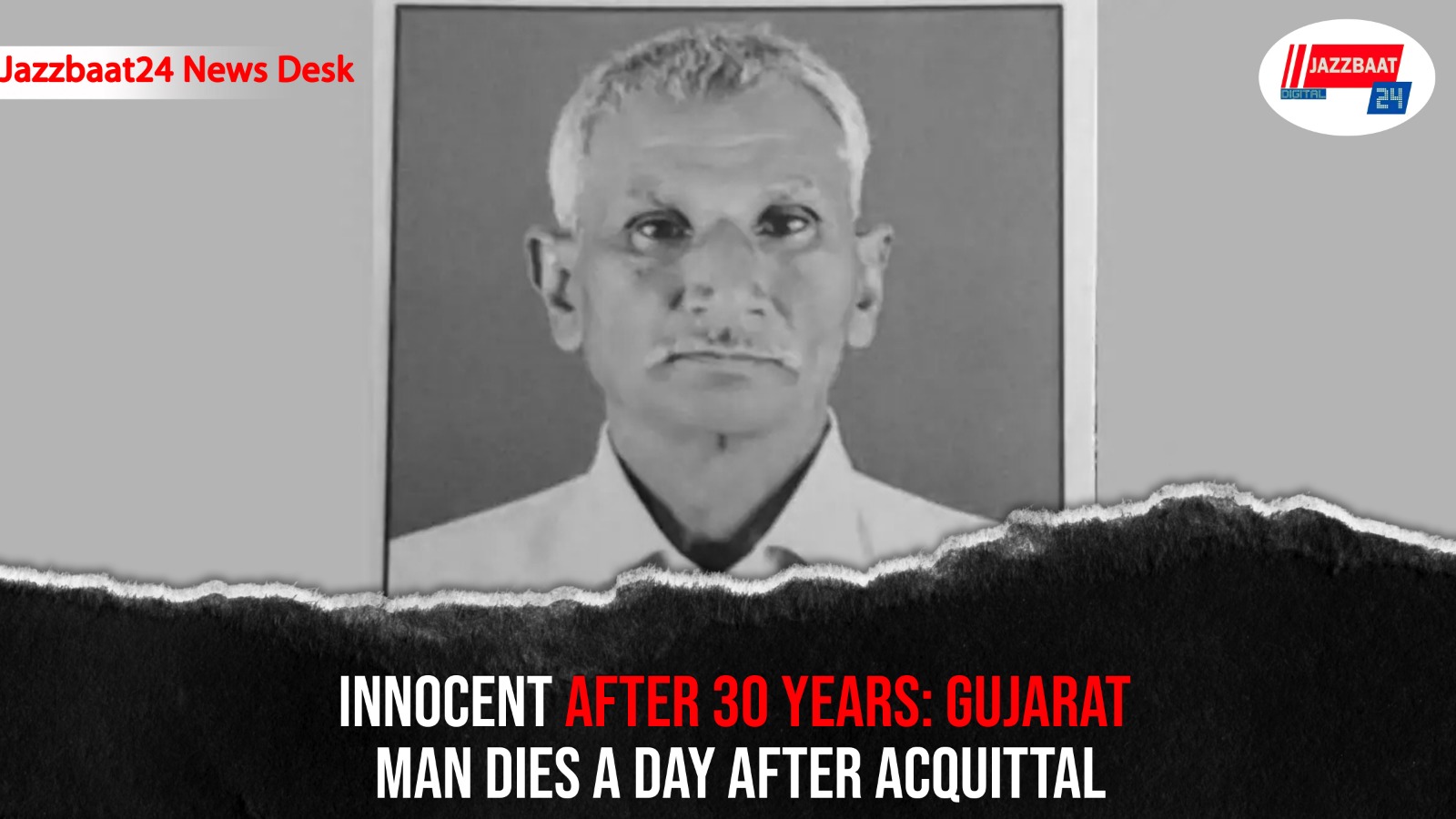
A man in Gujarat spent three decades in jail over a bribe of just Rs 20, only to be declared innocent by the Gujarat High Court, tragically passing away the very next day. Police constable Babubhai Prajapati, stationed in Ahmedabad in 1996, was accused of accepting a bribe under the Prevention of Corruption Act.
The legal ordeal began in 1997 when a chargesheet was filed, and charges were formally framed in 2002. Prajapati was convicted in 2004 by a sessions court, sentenced to four years in jail, and fined Rs 3,000. He immediately challenged the verdict in the Gujarat High Court, but his appeal lingered unresolved for 22 years.
On February 4, 2026, the High Court finally acquitted Prajapati, citing serious contradictions in witness testimonies and the prosecution’s failure to prove the charges. “The entire case was based on suspicion,” said his lawyer, Nitin Gandhi, adding that the stigma on Prajapati’s life had been lifted.
Overjoyed at the verdict, Prajapati visited his lawyer’s office, expressing relief and gratitude for the court’s decision. “The stigma has been removed from my life. Even if God takes me away, I will have no sorrow,” he reportedly said. Heartbreakingly, the very next day, he died of natural causes at home. His well-wishers expressed regret that he did not live long enough to fully enjoy his freedom and the vindication of his innocence.
This case highlights the profound human cost of prolonged legal proceedings and the inefficiencies in the justice system. Experts note that decades-long delays not only rob individuals of their freedom but also affect their families and livelihood, leaving lasting scars even after eventual acquittal.
Prajapati’s story is a poignant reminder of the need for timely justice and the importance of judicial reforms in India, ensuring that the innocent are not trapped in a cycle of unnecessary suffering.