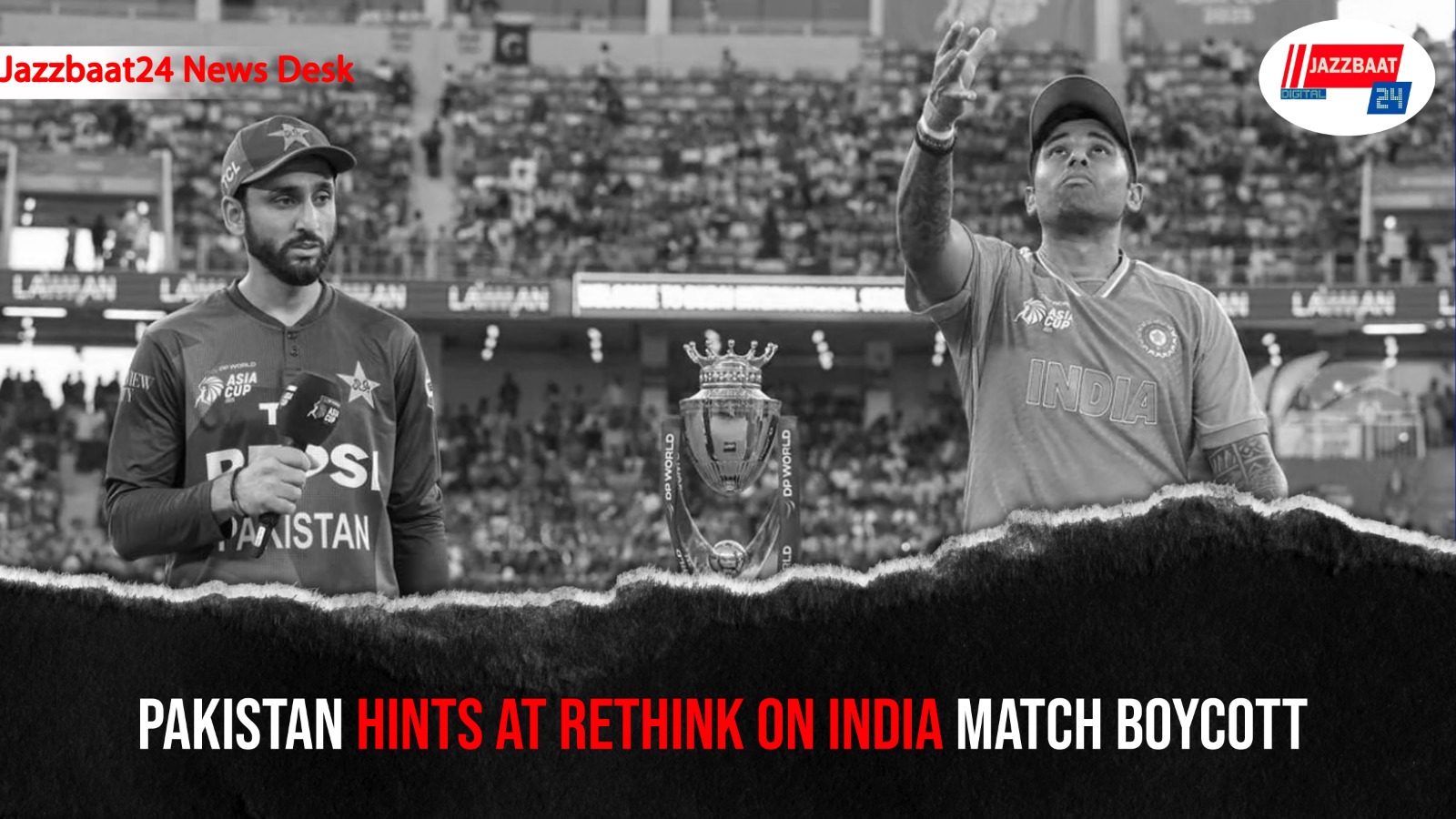
Pakistan may be softening its stance on boycotting the high-profile T20 World Cup clash against India after Sri Lanka formally urged Islamabad to reconsider the decision, citing financial losses and damage to the tournament’s image. The marquee India–Pakistan match is scheduled for February 15 in Colombo, one of the key fixtures of the ICC Men’s T20 World Cup 2026 co-hosted by Sri Lanka and India.
According to sources, the Pakistan Cricket Board (PCB) is set to consult the government again following a request from Sri Lanka Cricket (SLC). While the Pakistan government cleared the national team’s participation in the World Cup, it reportedly directed the PCB not to play India due to ongoing political tensions. The move has put organisers in a bind, as the India–Pakistan fixture is widely considered the tournament’s biggest commercial draw, driving broadcast revenues, sponsorship interest, and stadium footfall.
SLC has warned that the absence of the arch-rivals’ contest could result in significant financial losses for the host board, particularly from ticket sales, hospitality packages and local tourism. The issue was reportedly taken up directly by SLC President Shammi Silva with PCB Chairman Mohsin Naqvi, who assured that he would place the matter before Pakistan’s political leadership and seek guidance.
Officials familiar with the discussions said reports claiming Pakistan had outright rejected Sri Lanka’s request were inaccurate. Naqvi is expected to brief the Prime Minister on the concerns raised by the hosts, with a final decision likely in the coming days. Pakistan are playing their group matches in Colombo and Pallekele, beginning with their opener against the Netherlands.
The episode highlights the delicate balance between politics and sport in subcontinental cricket, where bilateral ties often spill over into multilateral tournaments. For the ICC and host boards, the stakes are high: the India–Pakistan match is not just another fixture, but the financial engine of the event. A green light would ease logistical and commercial pressures; a continued boycott could cast a shadow over the tournament’s early momentum.