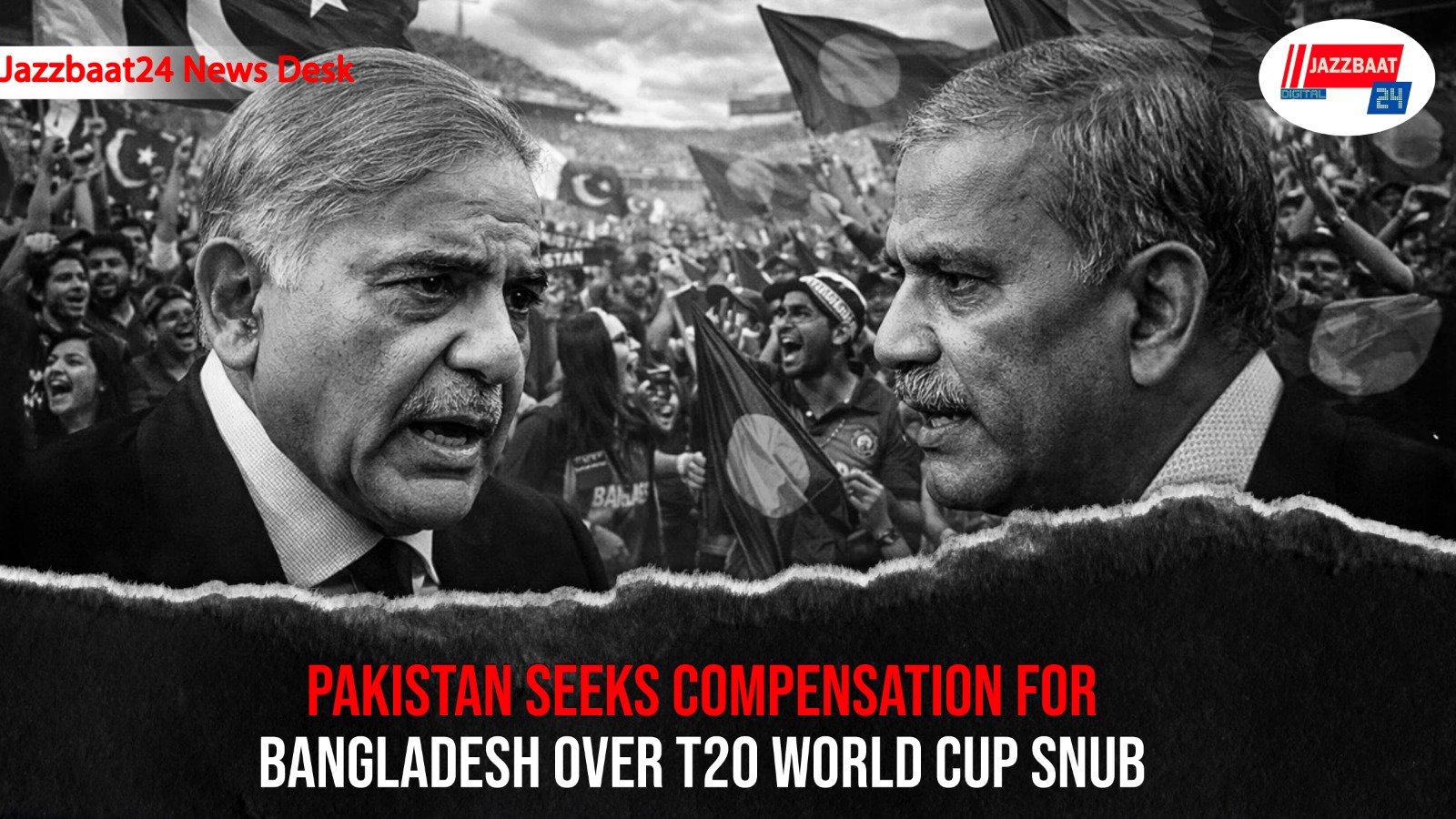
The International Cricket Council (ICC) held a crucial meeting with the Pakistan Cricket Board (PCB) and the Bangladesh Cricket Board (BCB) on Sunday at Lahore’s Gaddafi Stadium to discuss Pakistan’s decision to boycott its T20 World Cup 2026 match against India, scheduled for February 15 in Colombo. The four-hour meeting, however, ended without any joint declaration, with both sides awaiting approval from the Pakistan Government before making a public statement.
According to reports, Pakistan demanded compensation for Bangladesh following its exclusion from the tournament. The ICC responded that it had “nothing to offer as compensation” but assured Bangladesh would receive its full share of ICC earnings. ICC Deputy Chair Imran Khawaja reportedly advised Pakistan to reconsider its boycott and explore dispute resolution through the ICC arbitration committee or the board meeting, stressing that skipping the match would be “bad for cricket.”
The boycott, announced officially by the Pakistan Government on social media, came amid tensions with Bangladesh. The controversy traces back to Bangladesh being replaced by Scotland after the BCB requested all matches to be held outside India, citing concerns over the exclusion of Kolkata Knight Riders pacer Mustafizur Rahman due to alleged pressures from the BCCI.
The ICC also reportedly reminded the PCB about the “Force Majeure” conditions under its constitution, highlighting the potential financial and governance consequences if Pakistan failed to participate. PCB officials, however, argue that historical disputes with the BCCI set a precedent supporting their stance.
The episode adds a new layer of complexity to South Asian cricket diplomacy, with fans and boards closely watching developments. Both the ICC and PCB face pressure to resolve the matter swiftly to ensure the T20 World Cup continues smoothly, without further disruption to the tournament schedule.