

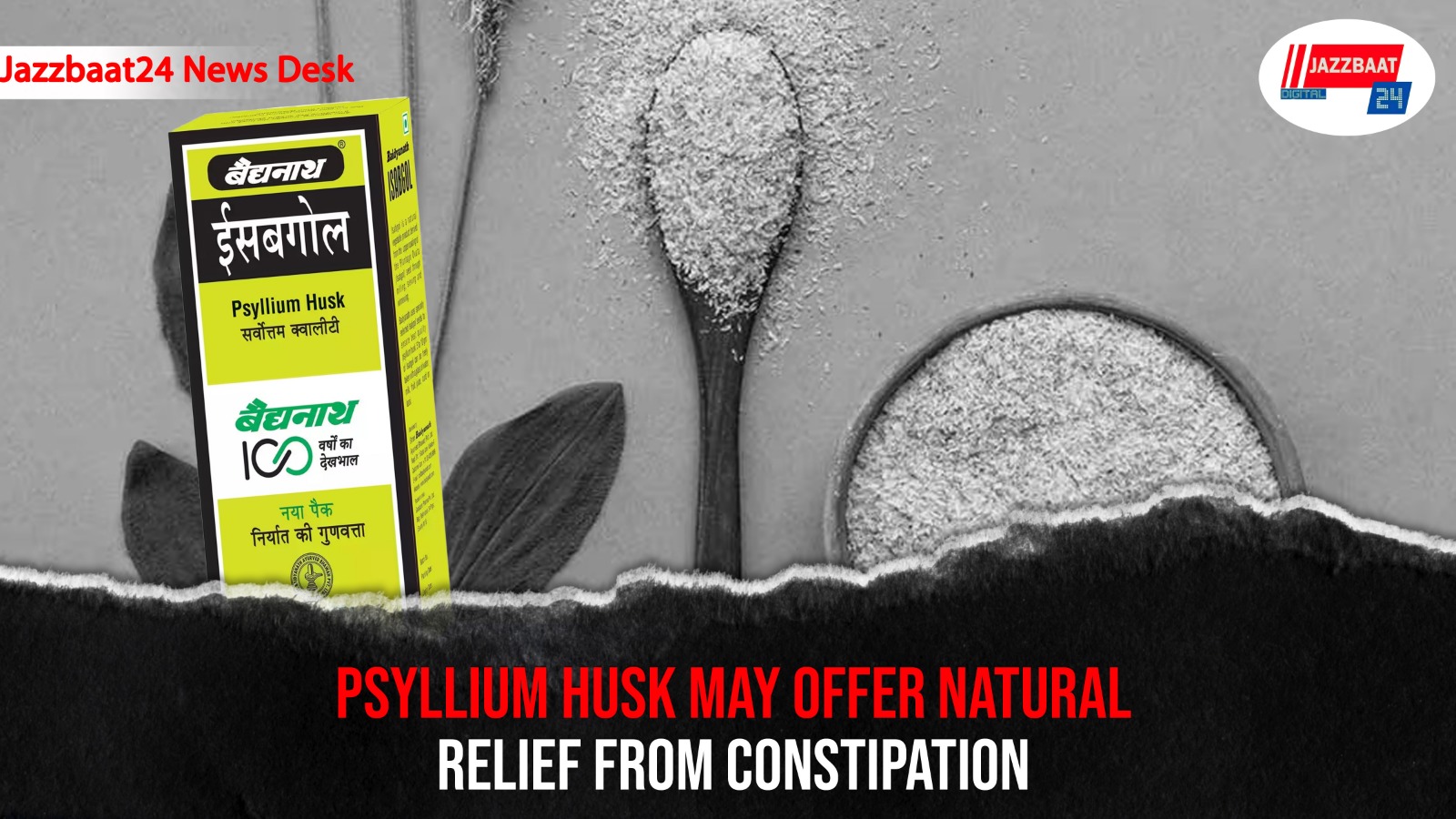
Frequent constipation, bloating, and gas can make everyday life uncomfortable, affecting both physical comfort and overall well-being. According to a gastroenterologist, a simple and widely available ingredient psyllium husk, also known as isabgol may provide effective, natural relief when used correctly.
Dr Shankar Zanwar, Senior Consultant Gastroenterologist at Gleneagles Hospital, told Health Shots that regular use of psyllium husk can help improve stool consistency and bowel movement frequency. “Psyllium husk supports gut health by improving stool bulk and softness, making it easier to pass stools without excessive straining,” he said.
Psyllium husk works by absorbing water in the digestive tract and forming a soft, gel-like substance. This increases stool bulk and helps move waste through the colon more smoothly. Unlike some chemical laxatives, psyllium stimulates natural bowel movements without irritating the intestines, making it suitable for longer-term use when taken as advised.
Constipation often occurs when stool moves too slowly through the colon. Common causes include low fibre intake, inadequate fluid consumption, stress, certain medications, and lack of physical activity. Over time, these factors can lead to hard, compacted stools that are difficult and painful to pass.
Experts say psyllium husk stands out because it softens stools naturally, reduces straining, helps regulate bowel habits, and may minimise bloating linked to hard waste. However, doctors stress that it should be taken with plenty of fluids to prevent discomfort.
For best results, psyllium husk is typically mixed into a full glass of water or milk and consumed immediately, followed by another glass of water. It is often recommended at night, but the dosage should not exceed what is advised by a healthcare professional.
Certain people should be cautious. Those with difficulty swallowing, intestinal blockages, severe abdominal pain, or chronic gut conditions should consult a doctor before using psyllium husk. Experts also recommend lifestyle changes such as drinking enough water, eating a fibre-rich diet, and staying physically active to support long-term digestive health.