

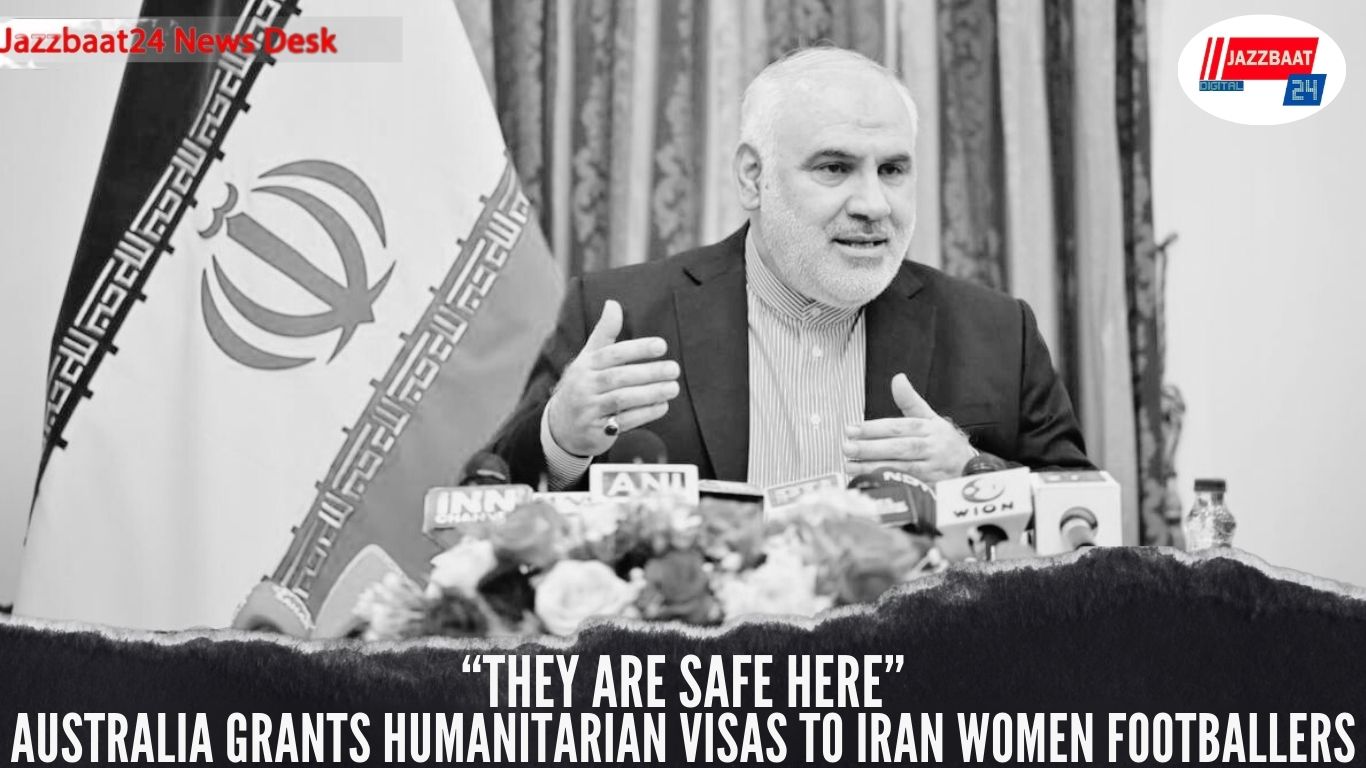
Australian Prime Minister Anthony Albanese has said that members of Iran’s women’s national soccer team who sought refuge in Australia are “safe here” after the government granted them humanitarian visas amid fears they could face persecution if they returned home.
At least five players from Iran’s women’s national football team were given temporary humanitarian visas after requesting protection while participating in the AFC Women’s Asian Cup in Australia. The players reportedly feared punishment in Iran following a silent protest during a match in which they refused to sing the national anthem.
Speaking in Canberra, Albanese said Australians had been deeply moved by the players’ situation.
“Australians have been moved by the plight of these brave women. They’re safe here, and they should feel at home here,” the prime minister say.
The players identified as Zahra Sarbali Alishah, Mona Hamoudi, Zahra Ghanbari, Fatemeh Pasandideh, and Atefeh Ramezanizadeh were moved to a secure location by the Australian Federal Police after requesting help from authorities. Officials said the visas provide them protection in Australia and a potential pathway to longer-term residency.
Reports suggest the women had been criticised by Iranian state media and labelled “wartime traitors” for their actions during the tournament, raising fears that they could face imprisonment or other punishment if forced to return to Iran.
Australia’s Home Affairs Minister Tony Burke confirmed that the visas were processed overnight and said the government had been quietly working with the players for several days before approving their applications. Authorities also indicated that other members of the Iranian team could seek the same protection if they choose to stay in Australia.
The situation has drawn international attention, especially as tensions rise in the Middle East. Human rights advocates and members of the Iranian diaspora in Australia had urged the government to protect the athletes, arguing that returning them to Iran could put them in serious danger.
While five players have already received humanitarian visas, the future of the remaining squad members remains uncertain, with Australian officials saying assistance will remain available for any player who seeks it.