
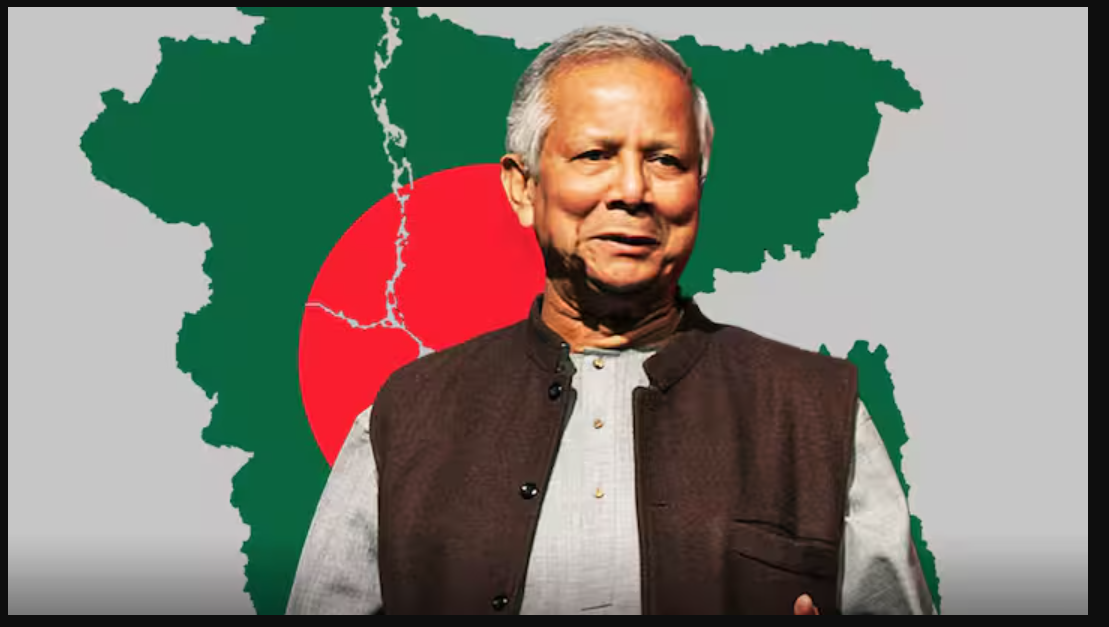
Muhammad Yunus is expected to step away from political leadership after overseeing Bangladesh’s transition to an elected government following the recent parliamentary elections. Yunus, who headed the country’s interim administration, has consistently maintained that his role was limited to ensuring a peaceful and credible electoral process rather than seeking long-term political power.
Yunus emerged as a key figure during the 2024 student-led uprising that forced former prime minister Sheikh Hasina to leave office and go into exile. Amid widespread unrest and political instability in Bangladesh, Yunus was brought in as chief adviser to lead the caretaker government and restore public confidence in democratic institutions.
Throughout his tenure, Yunus stressed that neither he nor his advisers intended to remain in authority after the completion of elections. His stance reinforced his global image as a civil society leader rather than a traditional political contender. The Nobel Peace Prize winner is widely known for founding Grameen Bank, which revolutionised microfinance by providing small loans to underprivileged communities to promote economic self-reliance.
The political landscape during the election period remained highly complex. The Bangladesh Awami League, previously the dominant ruling party, was barred from contesting after Hasina faced serious legal convictions. Meanwhile, the Bangladesh Nationalist Party emerged as the leading force, with its chief Tarique Rahman returning from long exile and emerging as the country’s major prime ministerial contender. The party’s political roots are linked to former prime minister Khaleda Zia, whose leadership shaped the party’s legacy.
In addition, the resurgence of Jamaat-e-Islami has further reshaped the political competition. Rising communal tensions, allegations of political violence, and concerns over misinformation have created challenges for maintaining stability during the transition.
Yunus has warned about internal and external attempts to disrupt democratic processes and emphasised reforms to prevent authoritarian rule in the future. Political analysts believe his legacy will depend on whether the elections lead to long-term political stability or renewed turmoil.