
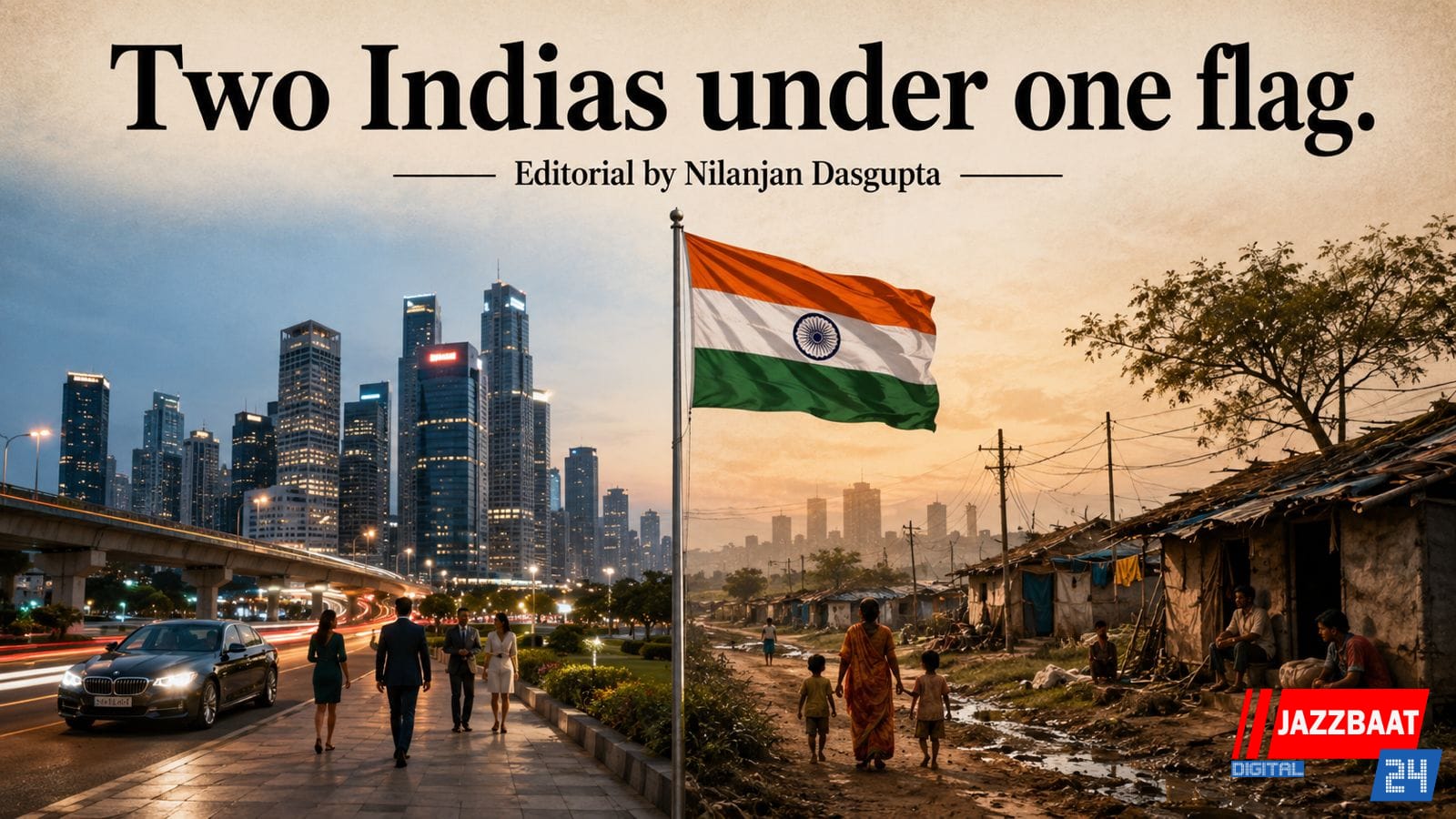
India today appears to be living two very different realities at the same time. In one India, billionaires expand empires, stock markets celebrate corporate giants, and the government projects the image of a rising superpower. In the other India, ordinary citizens struggle with unemployment, rising prices, shrinking savings, and growing uncertainty about the future. The contrast has perhaps never looked sharper than it does now.
The recent developments surrounding the Gautam Adani controversy once again exposed the uncomfortable relationship between corporate power, nationalism, and political messaging in modern India. After allegations made by Hindenburg Research in 2023 accused the Adani Group of financial irregularities and stock manipulation, the conglomerate responded not only with legal arguments but also with patriotic symbolism. The company’s leadership appeared before a giant Indian flag and described the allegations as an “attack on India.”
That moment was deeply symbolic. Instead of separating the nation from a private corporation, nationalism was used as a shield against scrutiny. Critics argued that questioning a business house was being portrayed as questioning India itself. Hindenburg itself responded by saying that “fraud cannot be obfuscated by nationalism.”
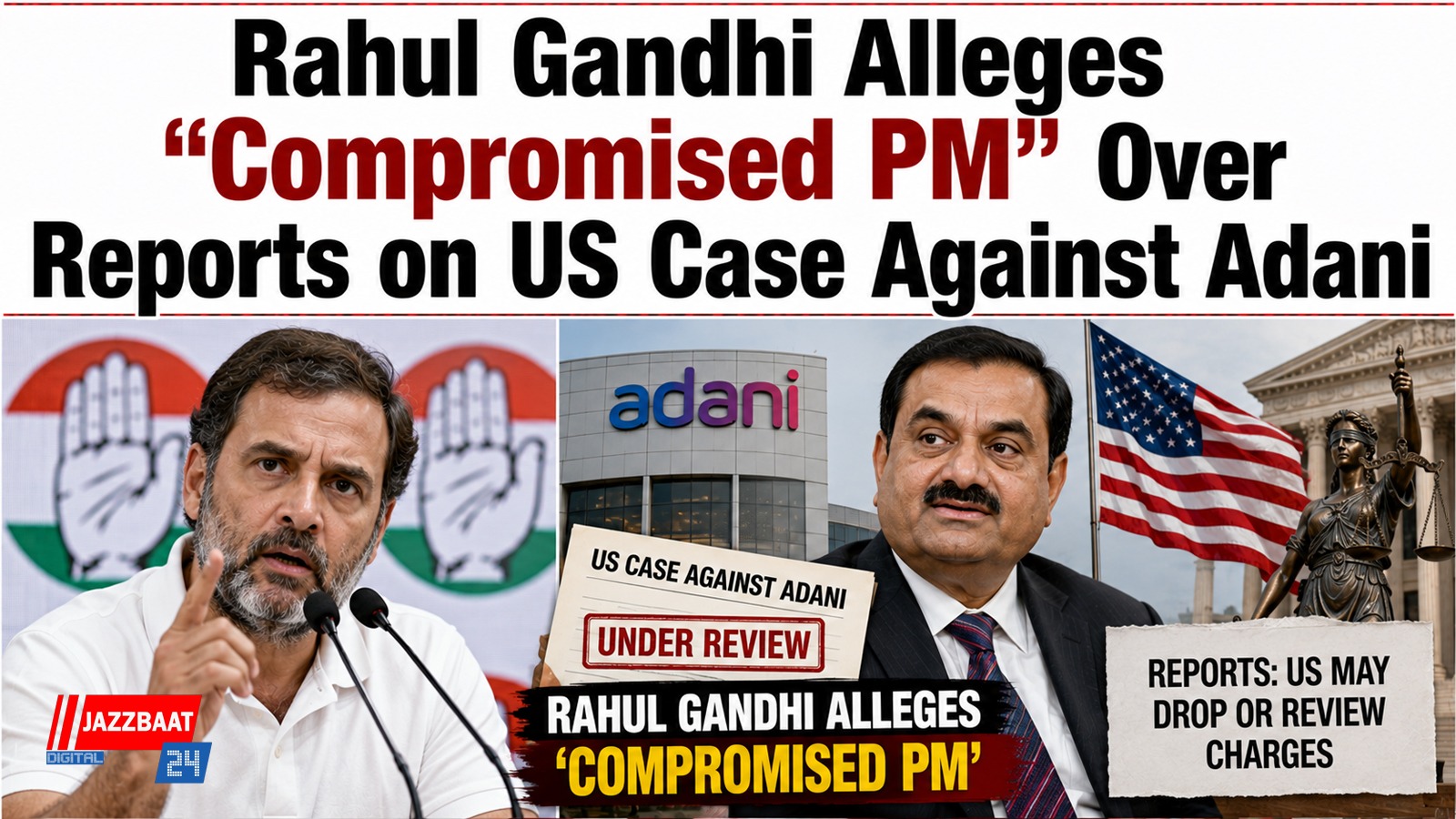
Now, in 2026, the issue has returned to global headlines after reports that U.S. authorities may drop or settle major fraud-related cases involving the Adani Group without admission of guilt. While supporters see this as proof that the allegations were politically motivated, critics believe the controversy has still left unanswered questions about transparency, corporate influence, and accountability.
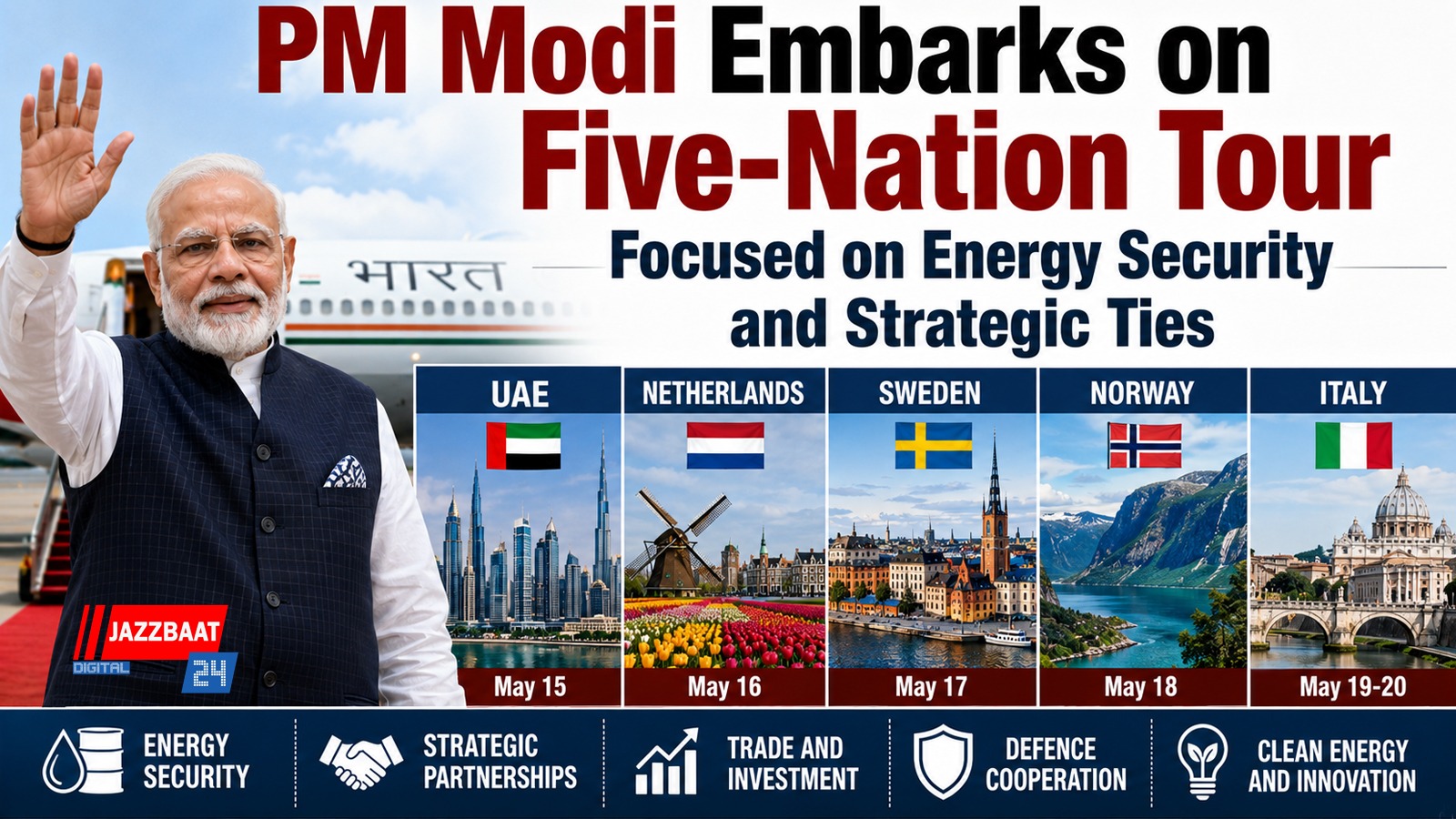
At the same time, Prime Minister Narendra Modi recently made seven public appeals asking citizens to reduce unnecessary spending, conserve fuel, avoid excessive imports, cut down on foreign travel, and adopt economic restraint amid global uncertainty. The message was presented as an act of national responsibility and economic patriotism.
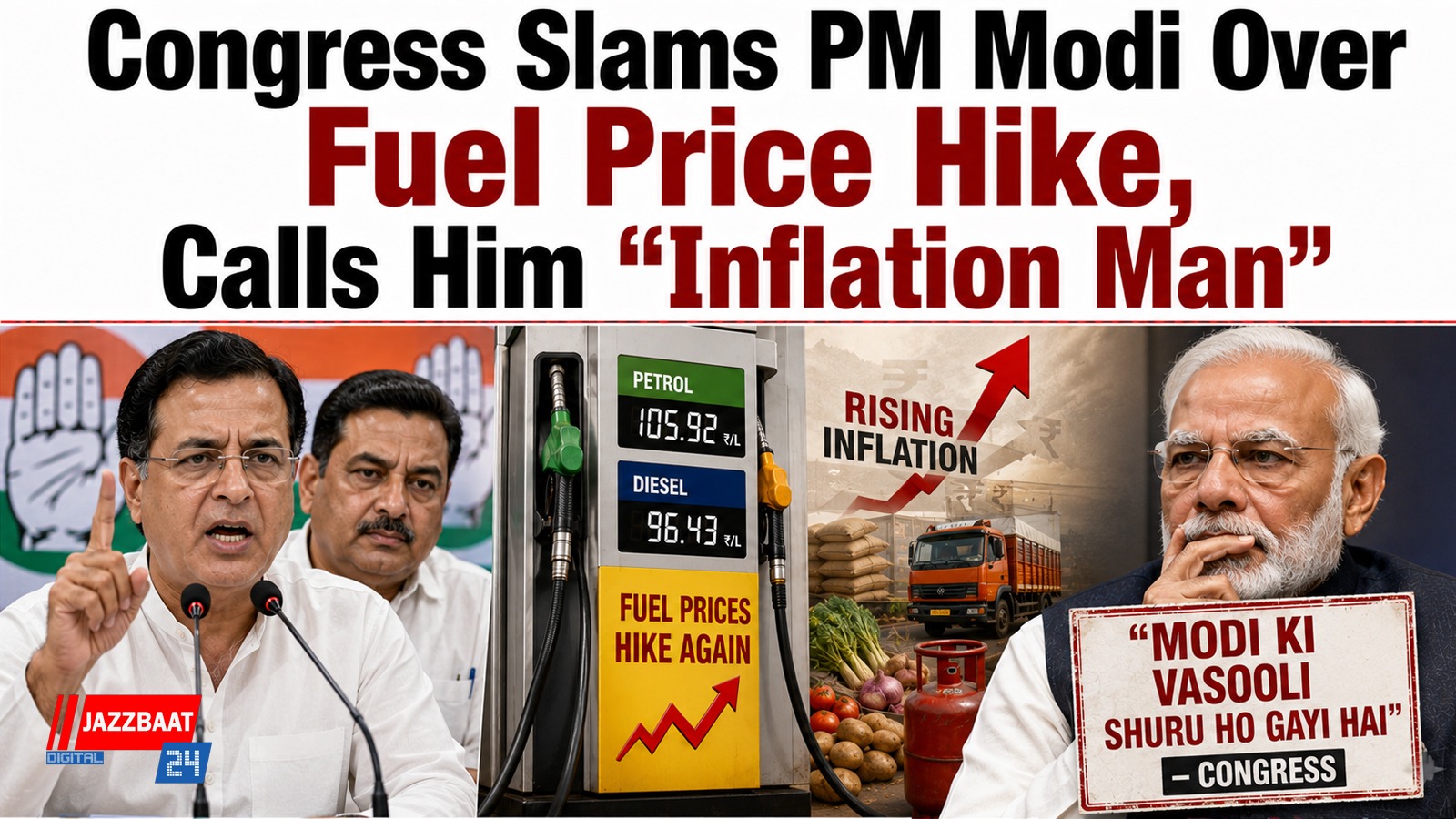
But many Indians are asking a difficult question: why must ordinary citizens constantly tighten their belts while the wealth of India’s richest individuals continues to grow? Opposition leaders criticised the appeals as an indirect admission that the economy is under stress.
Across the country, signs of economic strain are visible. Youth unemployment remains a major concern. Farmers continue to protest over income insecurity. Small businesses complain about declining purchasing power. In cities, middle-class families are cutting expenses while dealing with inflation in food, fuel, healthcare, and education. Yet headlines continue to celebrate record infrastructure projects, rising billionaires, and global branding campaigns about India’s growth story.
This contradiction reflects a larger political transformation in India where nationalism is increasingly becoming a substitute for governance. Instead of answering criticism directly, governments and corporations often frame dissent as anti-national. Questions about unemployment, economic inequality, or institutional independence are frequently overshadowed by emotional appeals to patriotism.
National pride is important for every country. But nationalism cannot become a permanent defence mechanism against accountability. A democracy grows stronger when institutions, corporations, and leaders face scrutiny openly rather than wrapping themselves in the flag whenever difficult questions emerge.
India undoubtedly has enormous potential. It is one of the world’s fastest-growing economies and a major global power in the making. But growth alone cannot define national success if millions feel left behind. A truly strong India will not be built only through billion-dollar projects or patriotic slogans. It will be built when economic opportunity, accountability, and dignity reach ordinary citizens as much as they reach the country’s elite.