

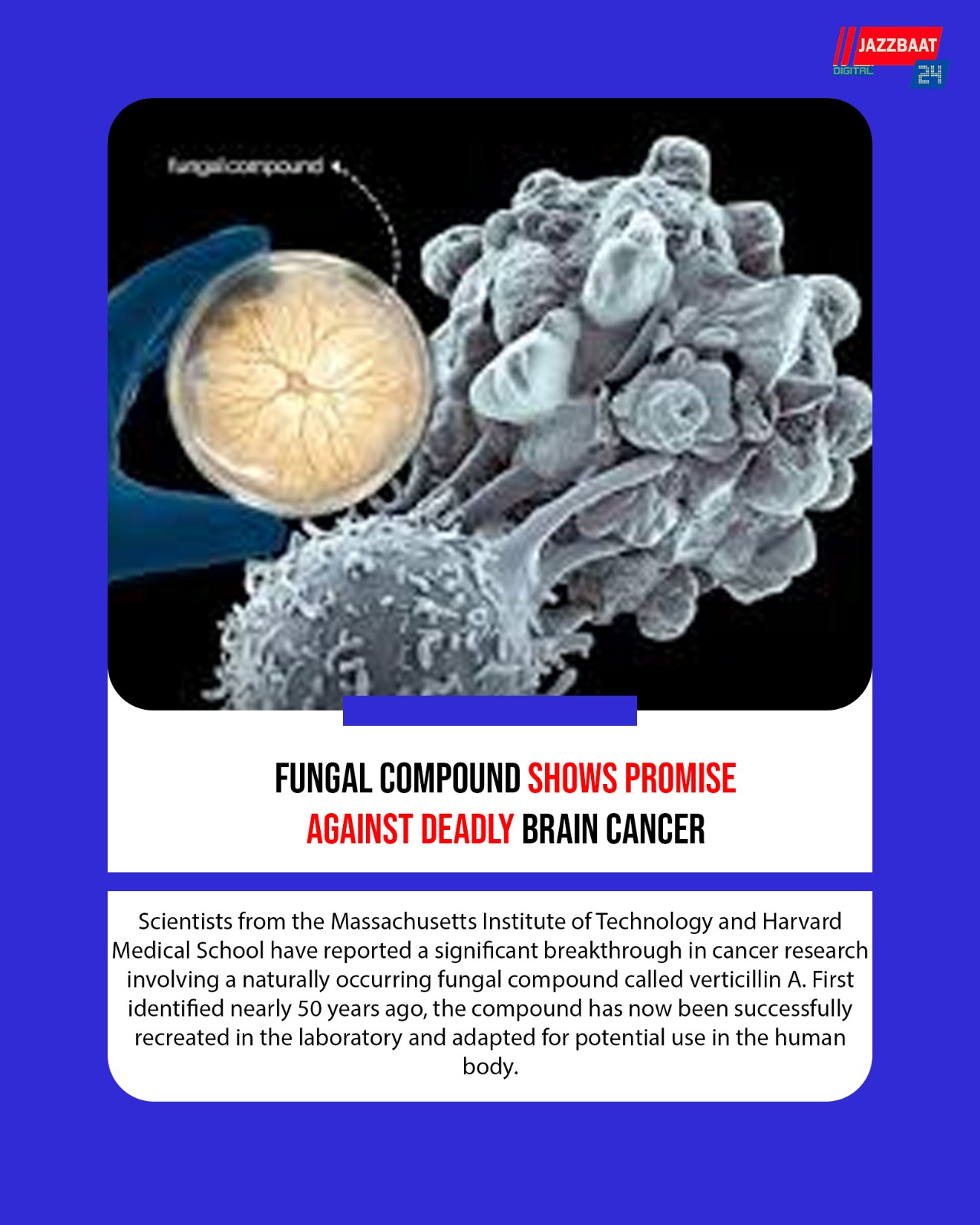
Scientists from the Massachusetts Institute of Technology and Harvard Medical School have reported a significant breakthrough in cancer research involving a naturally occurring fungal compound called verticillin A. First identified nearly 50 years ago, the compound has now been successfully recreated in the laboratory and adapted for potential use in the human body.
The research focuses on glioblastoma, one of the most aggressive and fatal forms of brain cancer. Glioblastoma is notoriously difficult to treat, as it often resists chemotherapy and radiation, and is usually detected only at an advanced stage. Current treatments largely aim to slow disease progression and extend survival rather than provide a cure.
According to the researchers, verticillin A has the ability to destroy glioblastoma cells by interfering with their internal proteins and disrupting abnormal cell division. The compound also induces changes in the DNA of cancer cells, preventing them from multiplying uncontrollably. Importantly, early findings suggest that it targets cancerous cells while sparing nearby healthy brain tissue, a major limitation of existing treatments.
Verticillin A is classified as an alkaloid compound derived from certain fungi and is known for both anti-cancer and anti-bacterial properties. In laboratory studies, it has shown strong effectiveness in triggering cancer cell death and weakening tumor growth. Researchers believe that using this compound before conventional chemotherapy or radiotherapy could significantly improve treatment outcomes and speed up the destruction of cancer cells.
Brain surgery is often complex and risky, making non-invasive treatment options especially valuable. Scientists suggest that verticillin A could eventually offer a less painful and safer alternative for brain cancer therapy. The next phase of the research will involve clinical trials on patients with brain cancer to assess safety and effectiveness in real-world conditions.
If these trials prove successful, verticillin A could open a new path in the fight against one of the most challenging cancers, offering renewed hope to patients and doctors worldwide.