

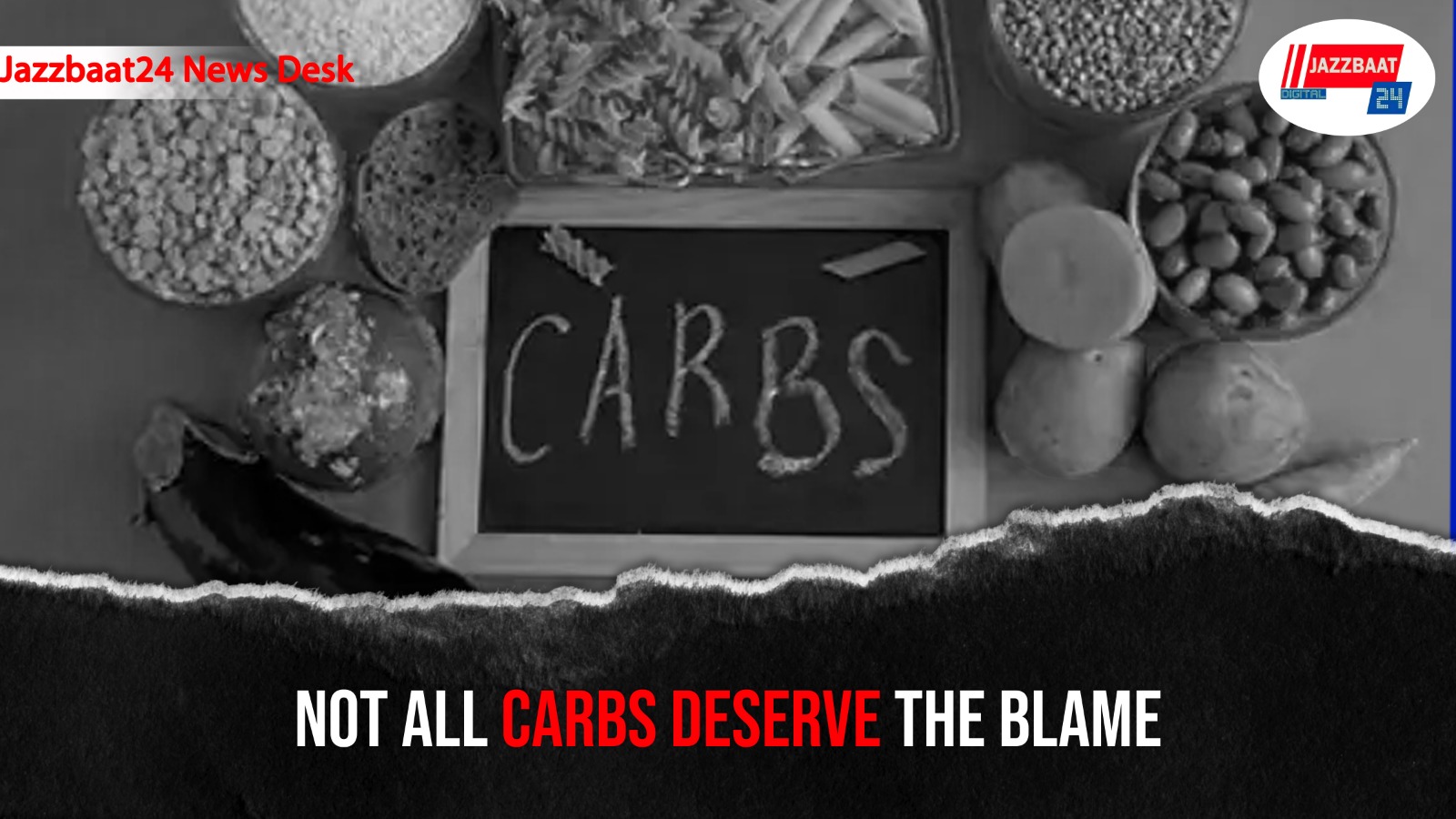
Carbohydrates have long been painted as the villain of modern diets, often blamed for weight gain and sluggish metabolism. But a Mumbai-based orthopaedic surgeon and health educator has pushed back against the popular narrative, saying it is not carbohydrates themselves but poor carb choices that fuel unhealthy weight gain.
In a recent social media post, Dr Manan Vora explained that the current obsession with high-protein diets has led many people to unfairly demonise carbs. According to him, refined and processed carbohydrates, such as white bread, sugary beverages, pastries and packaged snacks, are the real culprits. These foods are easy to overeat, cause sharp spikes in blood sugar, and provide little nutritional value beyond empty calories. Over time, such eating patterns can contribute to fat gain and metabolic issues.
Dr Vora stressed that complex carbohydrates behave very differently in the body. Foods like whole grains, oats, brown rice and millets break down slowly, release energy steadily and help people feel fuller for longer because of their fibre content. Unlike refined carbs, they also contain essential vitamins, minerals and antioxidants that support metabolism and overall health.
To make everyday diets healthier, he suggested simple swaps rather than extreme restrictions. Choosing oats with milk or curd and adding fruits or nuts for breakfast, opting for multigrain roti instead of refined flour, and preparing traditional meals like poha or upma with whole grains can make a meaningful difference. These small changes, he said, help maintain balanced energy levels without triggering sudden hunger or sugar crashes.
The message, according to Dr Vora, is not to fear carbohydrates but to be mindful of their quality. Eliminating entire food groups often leads to unsustainable diets and nutrient gaps, while smarter choices can support both weight management and long-term wellbeing. As diet trends continue to shift, his advice offers a grounded reminder that balance, not blanket bans, is key to healthier eating habits.