
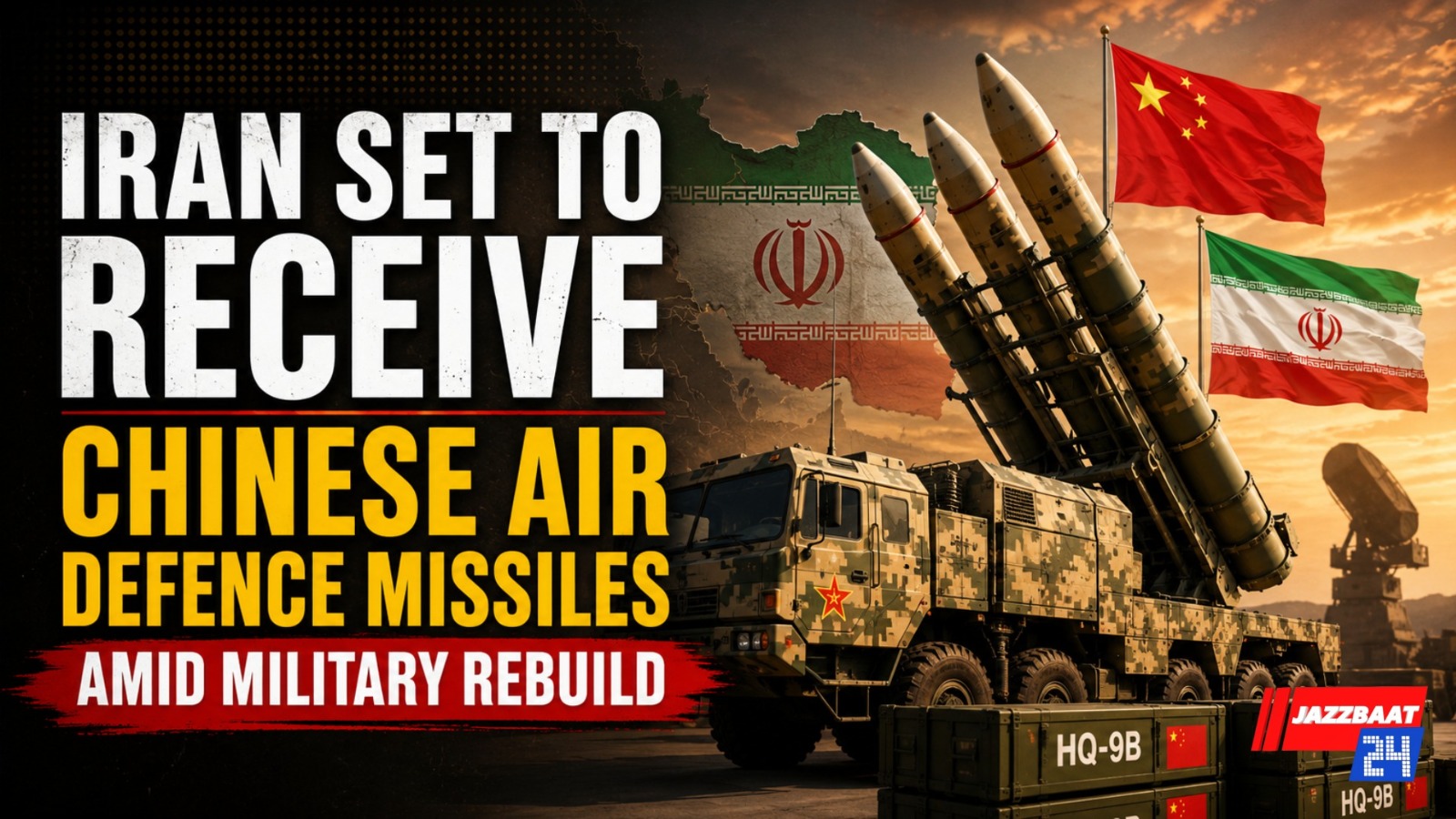
Iran is expected to receive its first shipment of Chinese-made shoulder-fired air defence missile launchers within the next few weeks as Tehran moves to strengthen its military capabilities following its recent conflict with the United States, according to reports citing defence and intelligence sources.
The initial delivery is expected to be part of a broader agreement under which Iran could receive up to 400 man-portable air defence systems (MANPADS). These portable missile launchers are designed to target low-flying aircraft, helicopters and drones, providing mobile protection for military units and strategic locations.
The reported transfer comes as Iran works to rebuild sections of its air defence network that were damaged during the recent conflict. Military analysts say portable air defence systems would complement Iran's existing missile and radar infrastructure by improving its ability to respond quickly to aerial threats, particularly unmanned aerial vehicles and low-altitude aircraft.
Neither the Chinese nor the Iranian governments have officially confirmed the reported shipment. Beijing has maintained that its defence exports comply with international laws and its foreign policy commitments, while Tehran has not publicly commented on the reports.
Security experts note that the addition of hundreds of shoulder-fired missile launchers could significantly enhance Iran's short-range air defence capability. Unlike larger surface-to-air missile batteries, MANPADS are lightweight, easily deployable and difficult to detect, allowing forces to respond rapidly across multiple locations.
The development is likely to draw close attention from the United States and its regional allies, who have closely monitored Iran's military modernisation efforts. Washington has repeatedly expressed concern over the transfer of advanced military equipment to countries involved in regional conflicts, arguing that such moves could increase instability in the Middle East.
The reported acquisition also reflects Iran's continued efforts to diversify its defence partnerships as Western sanctions limit its access to many international arms markets. China and Iran have expanded strategic cooperation in recent years, including in the areas of trade, energy and security, although details of military agreements are rarely disclosed publicly.
If confirmed, the delivery would mark one of the most significant reported additions to Iran's short-range air defence inventory in recent years. Defence observers believe the deployment of these systems could improve the country's ability to protect critical military installations and infrastructure while reshaping the regional security landscape as tensions in the Middle East remain high.