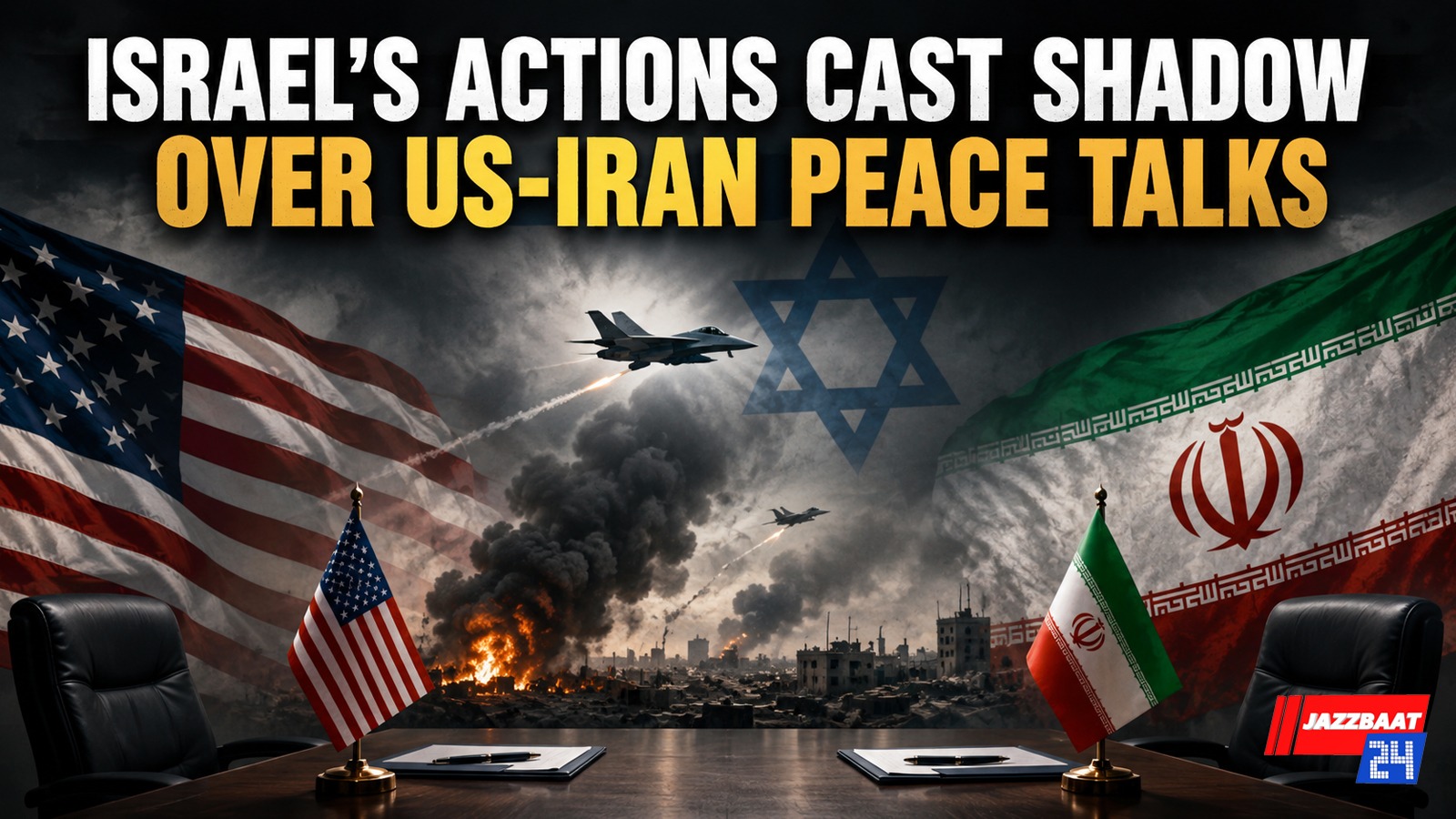
Growing tensions involving Israel have complicated ongoing diplomatic efforts between the United States and Iran, with recent military operations in Lebanon and the wider region adding fresh obstacles to negotiations. Iranian officials have accused Israel of undermining stability at a critical stage of talks aimed at easing regional tensions and addressing Tehran's nuclear program.
According to reports, Iran slowed or suspended some diplomatic engagement following Israeli strikes targeting Hezbollah-linked positions in Lebanon. Tehran argued that any meaningful peace process must take into account the security concerns of its regional allies, while also addressing broader Middle East conflicts.
The Trump administration has acknowledged that developments involving Israel have made negotiations more challenging. President Donald Trump reportedly expressed frustration over actions that risk escalating tensions, though he reaffirmed Washington's close relationship with Israel and its commitment to regional security.
Analysts say the latest developments have complicated an already fragile diplomatic environment. While the United States is primarily focused on issues such as Iran's nuclear activities, sanctions relief, and maritime security in the Strait of Hormuz, Iran has sought to link these discussions to wider regional conflicts involving Israel and its allies.
Despite the setbacks, diplomatic channels remain open. U.S. officials continue to pursue negotiations with Tehran while working to prevent further escalation across the region. Observers believe that any major military action could significantly reduce the chances of a breakthrough in the near future.
For now, peace talks remain alive but increasingly fragile, with regional conflicts continuing to influence the path toward a potential agreement between Washington and Tehran.