

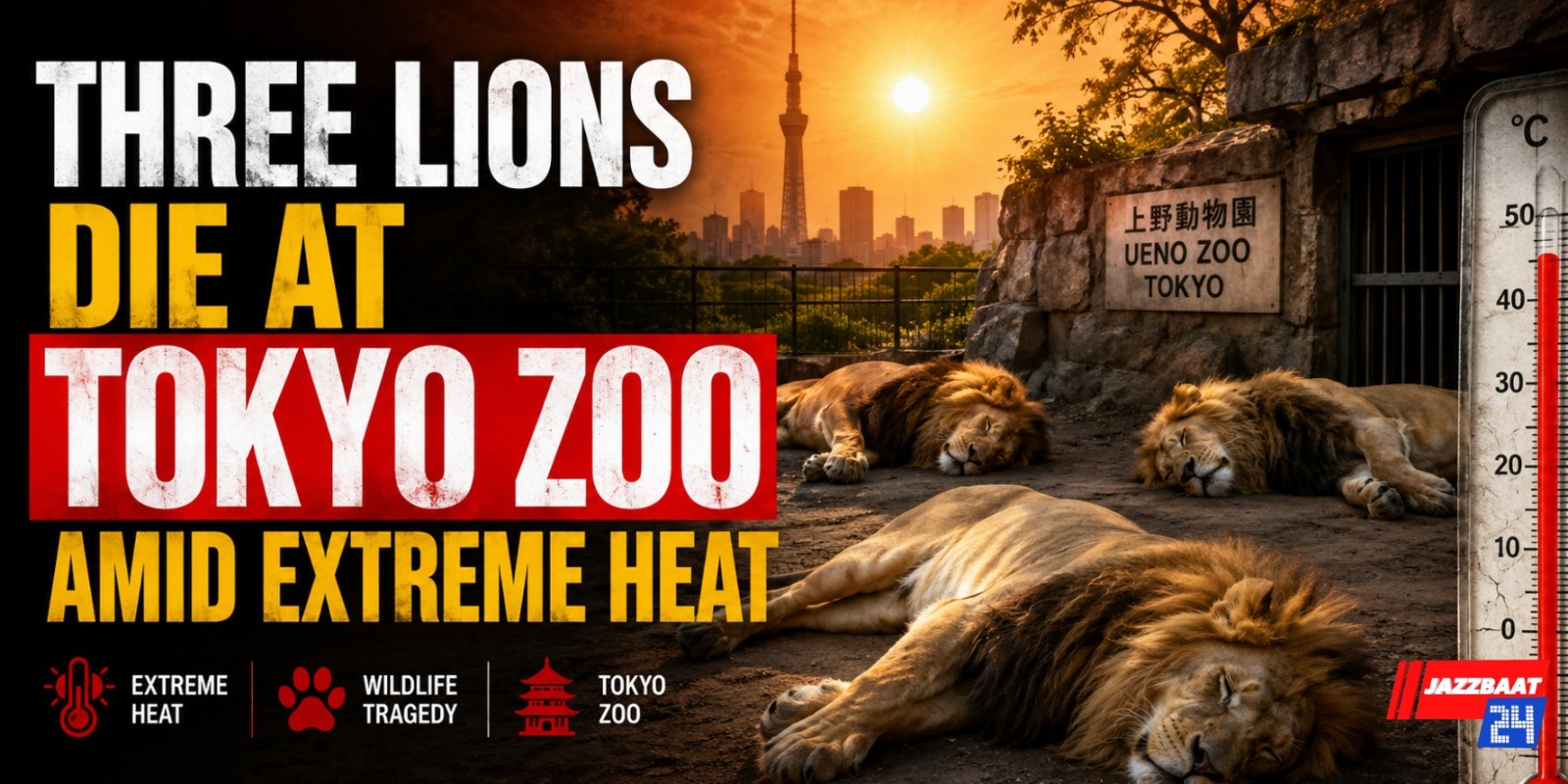
Three female lions have died at a zoo in Tokyo within a week amid a severe heatwave sweeping across Japan, with officials suspecting heatstroke as the cause of death.
The lions, aged three, 11 and 15, were residents of Tama Zoological Park in western Tokyo. All three were born at the zoo. Officials said they had shown signs of severe dehydration and multiple organ failure before their deaths. The exact cause is still being investigated, but heatstroke is strongly suspected.
The deaths occurred after temperatures in Tokyo surged sharply in mid-July, with the mercury approaching 39 degrees Celsius. The extreme heat, combined with high humidity, affected a large number of the zoo's lions. Out of the 16 lions at Tama Zoological Park, 10 developed symptoms including loss of appetite and reduced activity from around the middle of July.
Some of the affected animals became seriously ill, with symptoms reportedly progressing to difficulty standing and unconsciousness. Zoo staff have been providing treatment, including intravenous fluids and water-spraying, while closely monitoring the remaining lions.
The zoo suspended public viewing of its lion enclosure on July 23 as a precaution. Its official website also lists the suspension of the lion exhibit and lion bus service from July 22.
The deaths highlight the growing challenges faced by zoos as extreme temperatures become more frequent and intense. Although lions are naturally adapted to hot climates, experts note that Tokyo's combination of high temperatures and humidity can create particularly difficult conditions for the animals. Lions rely heavily on panting to regulate body temperature, a process that becomes less effective when humidity is high.
The situation in Japan is part of a wider heat crisis across East Asia. South Korea has also been experiencing an intense heatwave, with authorities warning that extreme weather is becoming increasingly frequent. The country's reported heat-related death toll has risen to 16, according to a report published Tuesday.
At Tama Zoological Park, staff are now taking additional precautions to protect the remaining animals from the heat. The zoo has increased monitoring and is providing cooling measures and medical care where necessary.
The three deaths are particularly significant because they represent the first heat-related lion fatalities in the zoo's 62-year history. Officials say they will continue investigating the circumstances surrounding the deaths while working to prevent further heat-related illness among the remaining animals.
The incident has also raised fresh concerns about how zoos and wildlife facilities can protect animals from increasingly extreme weather, especially during prolonged periods of heat and humidity.