

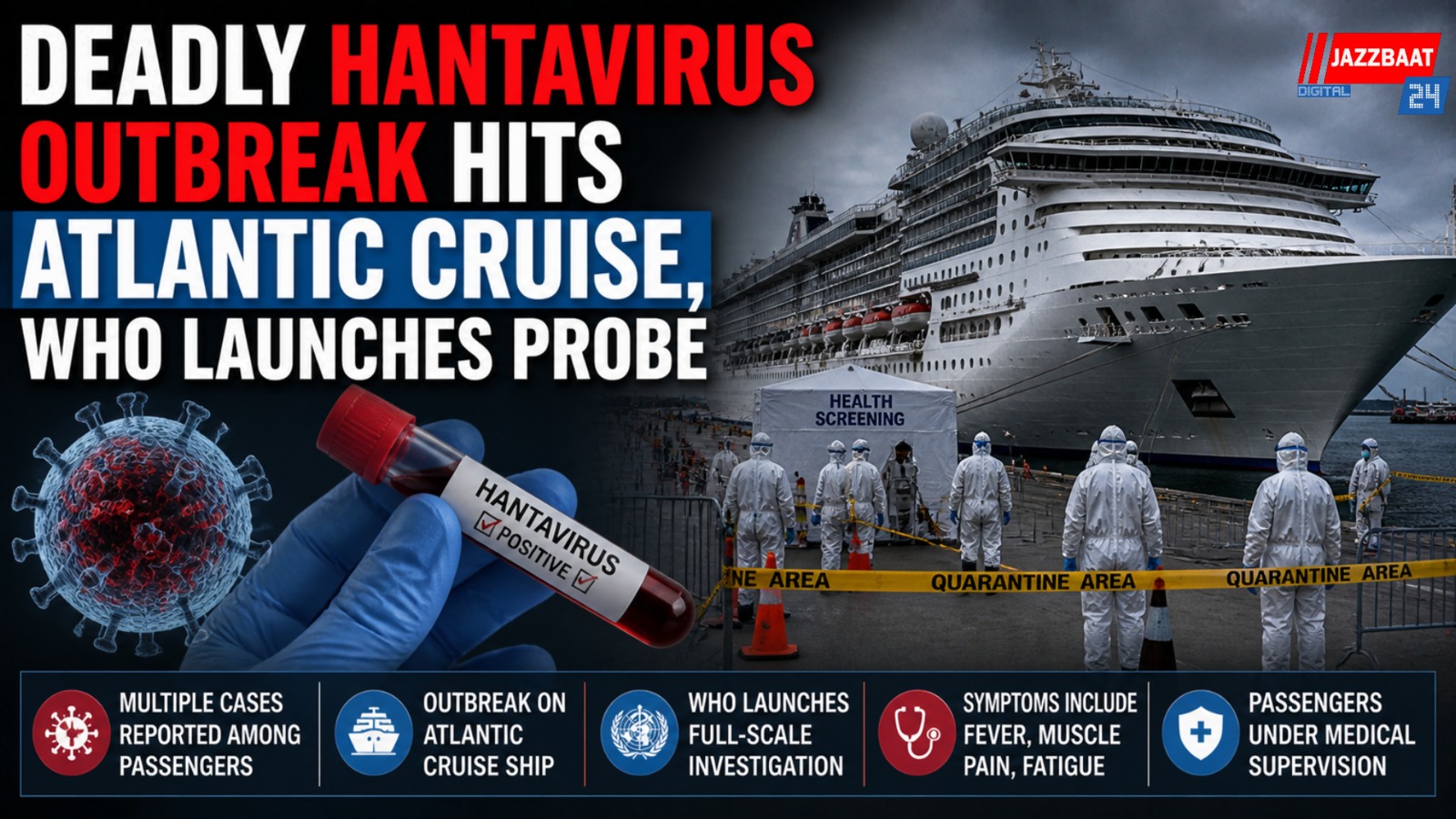
A suspected outbreak of hantavirus aboard an Atlantic cruise ship has claimed three lives, with five additional cases under investigation, according to the World Health Organization (WHO). The incident has triggered an international health response as authorities race to understand how the rare virus spread in a confined maritime setting.
The outbreak occurred on the expedition cruise ship MV Hondius, which was sailing from Argentina to Cape Verde with around 150–170 passengers on board. WHO confirmed that at least one case of hantavirus has been laboratory verified, while five more remain suspected. Of the six individuals affected so far, three have died and one is currently in intensive care in South Africa.
Health officials say the virus typically spreads through exposure to urine, droppings, or saliva of infected rodents, most commonly mice or rats. Although human-to-human transmission is rare, WHO has warned that certain strains can spread between people and lead to severe respiratory illness, making close monitoring essential.
Reports indicate that at least two of the victims were elderly passengers, including a Dutch couple. Another infected individual, reportedly a British national, is being treated in critical condition in Johannesburg. The ship has faced logistical challenges, including delays in allowing symptomatic passengers to disembark for urgent medical care.
WHO has launched a detailed epidemiological investigation, including laboratory testing and virus sequencing, to determine the source of the outbreak. Authorities are also coordinating with multiple countries and the cruise operator to arrange medical evacuations and ensure treatment for those affected.
The situation has raised concerns due to the unusual setting of the outbreak. Cruise ships, with their enclosed spaces and high passenger interaction, are known to facilitate the spread of infectious diseases. However, hantavirus outbreaks in such environments are extremely rare, making this case particularly significant for global health monitoring.
Medical experts emphasize that early symptoms of hantavirus infection include fever, fatigue, and muscle aches, which can quickly progress to severe respiratory distress. There is currently no specific cure, but early medical intervention can improve survival chances.
As investigations continue, WHO has urged vigilance and adherence to hygiene practices, especially in environments where exposure to rodents is possible. The incident underscores the need for rapid response systems in managing infectious diseases in international travel settings.