

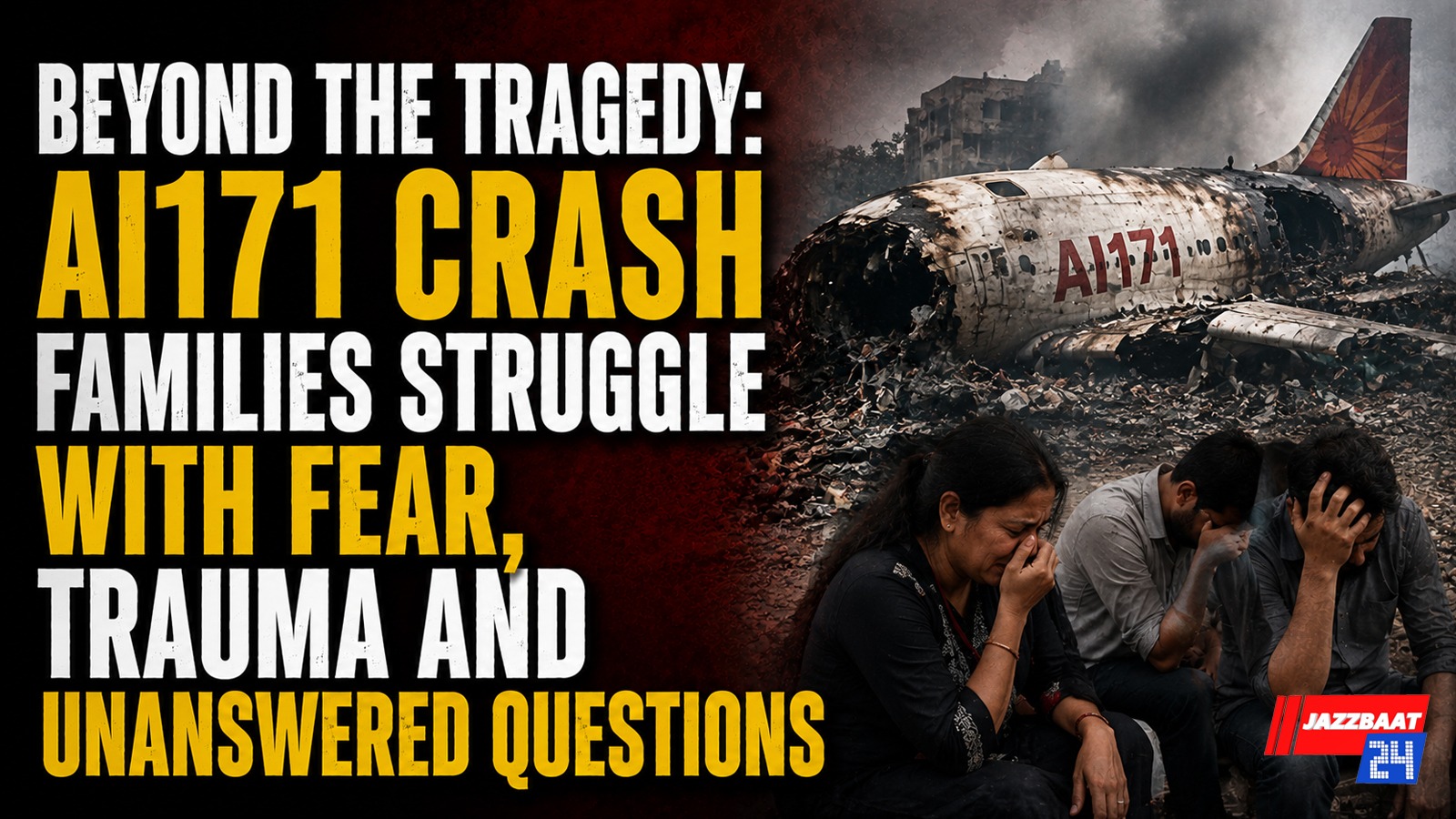
Nearly a year after the devastating crash of Air India Flight AI171, many families of the victims continue to grapple with profound emotional trauma, anxiety and an enduring fear of air travel. While investigations into the disaster are ongoing, relatives say the psychological impact of the tragedy remains a daily reality.
Air India Flight AI171, a Boeing 787 Dreamliner travelling from Ahmedabad to London Gatwick, crashed shortly after take-off on June 12, 2025. The accident claimed 260 lives, including 241 people on board and 19 people on the ground, making it one of India's deadliest aviation disasters. Only one passenger survived the crash.
For many relatives, grief has been compounded by uncertainty surrounding the investigation. Earlier this year, groups representing victims' families urged authorities to release cockpit voice recorder and flight data recorder information, arguing that greater transparency could help provide closure and answer lingering questions about what caused the tragedy.
The emotional scars extend beyond those who lost loved ones. Mental health experts report that the crash triggered a sharp rise in flying-related anxiety across India. Aviation counselling centres have seen a surge in enquiries from people who are now fearful of boarding aircraft, while travel agencies reported increased cancellations in the weeks following the accident. Many travellers admitted they became hyper-aware of aircraft sounds, turbulence and safety procedures after seeing repeated footage of the crash.
For families directly affected, the fear is often even more intense. Some relatives have said they avoid flying altogether, while others experience anxiety attacks when family members travel by air. Psychologists note that such reactions are common after large-scale disasters, particularly when the event receives extensive media coverage and graphic imagery circulates widely online.
The process of identifying victims added another layer of trauma. Authorities relied heavily on DNA matching because of the severity of the crash and the intense post-impact fire. While officials eventually identified nearly all victims and returned remains to their families, the lengthy identification process prolonged the agony for many waiting relatives.
As investigators continue to examine the circumstances surrounding AI171, families say their focus is no longer solely on compensation or official reports. What many seek most is clarity, accountability and reassurance that lessons have been learned to prevent a similar tragedy in the future. Until then, for countless relatives, the pain of AI171 remains far from over.