Cleaner Air Needs More Than Electric Dreams
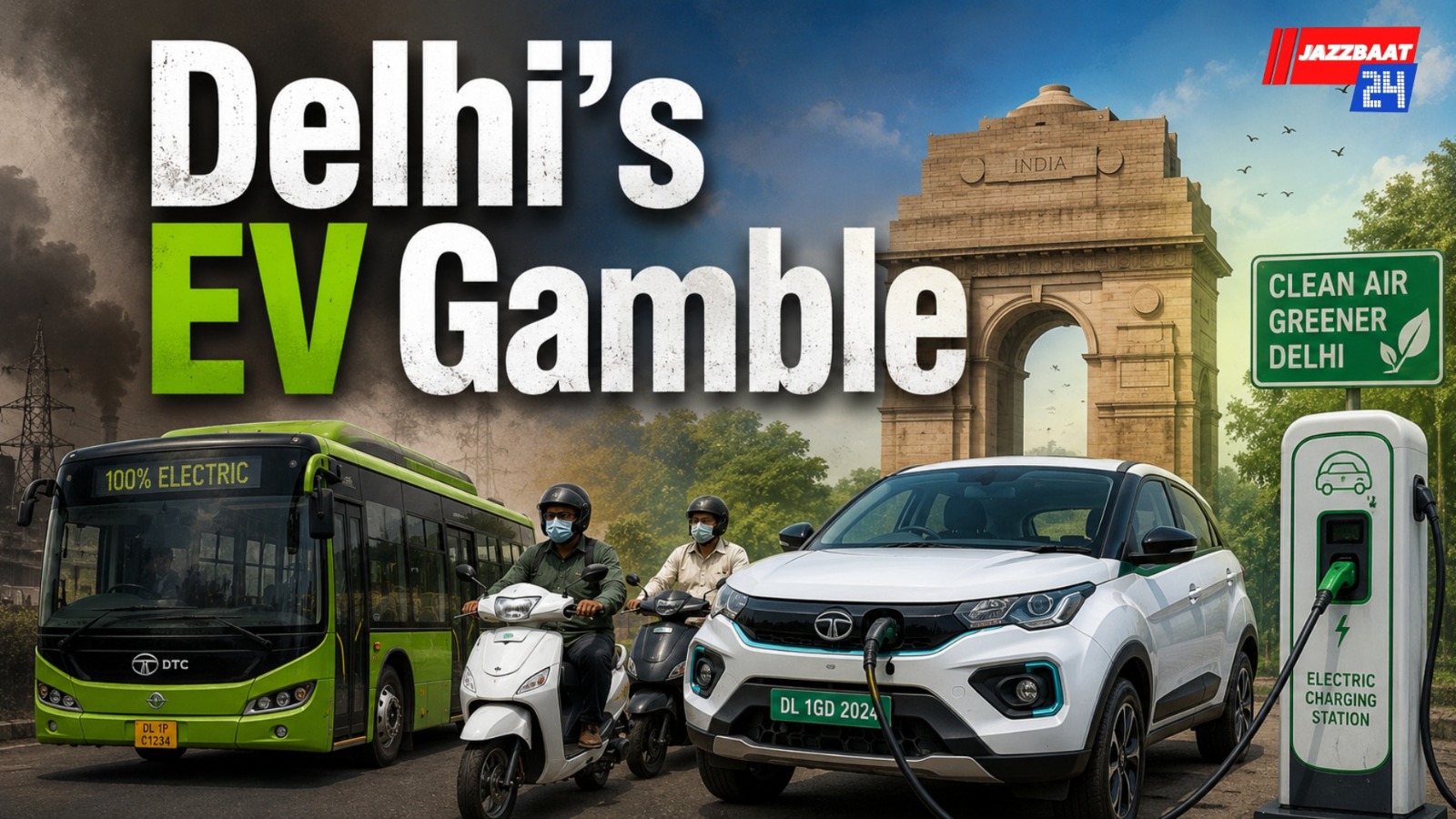
Delhi’s approval of the Electric Vehicle (EV) Policy 2026 is one of the most ambitious clean-mobility initiatives undertaken by any Indian state in recent years. The policy promises tax waivers, purchase incentives, over 30,000 charging points, and a phased transition towards electric vehicles, backed by investments and support worth more than ₹15,000 crore. It also sets deadlines after which only electric auto-rickshaws, goods carriers and eventually two-wheelers will be registered in the capital.
The BJP government has presented the policy as a decisive step toward tackling Delhi's chronic air pollution crisis. The argument is compelling. Vehicular emissions remain one of the largest contributors to the city's poor air quality, and encouraging zero-tailpipe-emission vehicles can undoubtedly reduce pollution levels over time. The policy's focus on scrapping old vehicles and expanding charging infrastructure addresses two major barriers to EV adoption.
The Aam Aadmi Party has labelled the policy a "repackaged" version of its earlier EV initiatives, arguing that many of the incentives and targets were already envisioned under previous administrations. While political ownership of policies often becomes a matter of debate, continuity in governance should not be viewed negatively. If the new government is building upon an existing framework and strengthening it, the larger public interest is still served.
The more substantive concern comes from Congress, which has warned against creating a new environmental challenge in the form of battery disposal. This criticism deserves serious attention. Electric vehicles may reduce emissions on the road, but the environmental cost of battery manufacturing, recycling and disposal cannot be ignored. Improper management of used lithium-ion batteries could create future pollution and waste-management problems.
The draft policy itself acknowledges the importance of battery recycling and compliance with the Battery Waste Management Rules, 2022. However, implementation will be the real test. Incentives for EV purchases must be matched with investments in battery recycling facilities, safe disposal systems and public awareness campaigns.
Delhi's EV Policy 2026 is a bold and necessary step toward cleaner transportation. But electric mobility is not a silver bullet. Dust from construction, road conditions, industrial emissions and waste burning also contribute significantly to the capital's pollution burden.
Cleaner air will require a comprehensive strategy. Electric vehicles are an important part of the solution but they are not the entire solution.