India’s proposed changes to the Foreign Contribution Regulation Act (FCRA) have triggered a fresh political battle, with the government presenting the reforms as a move towards greater transparency while opposition parties and civil society groups warn that they could give authorities excessive control over non-governmental organisations (NGOs).
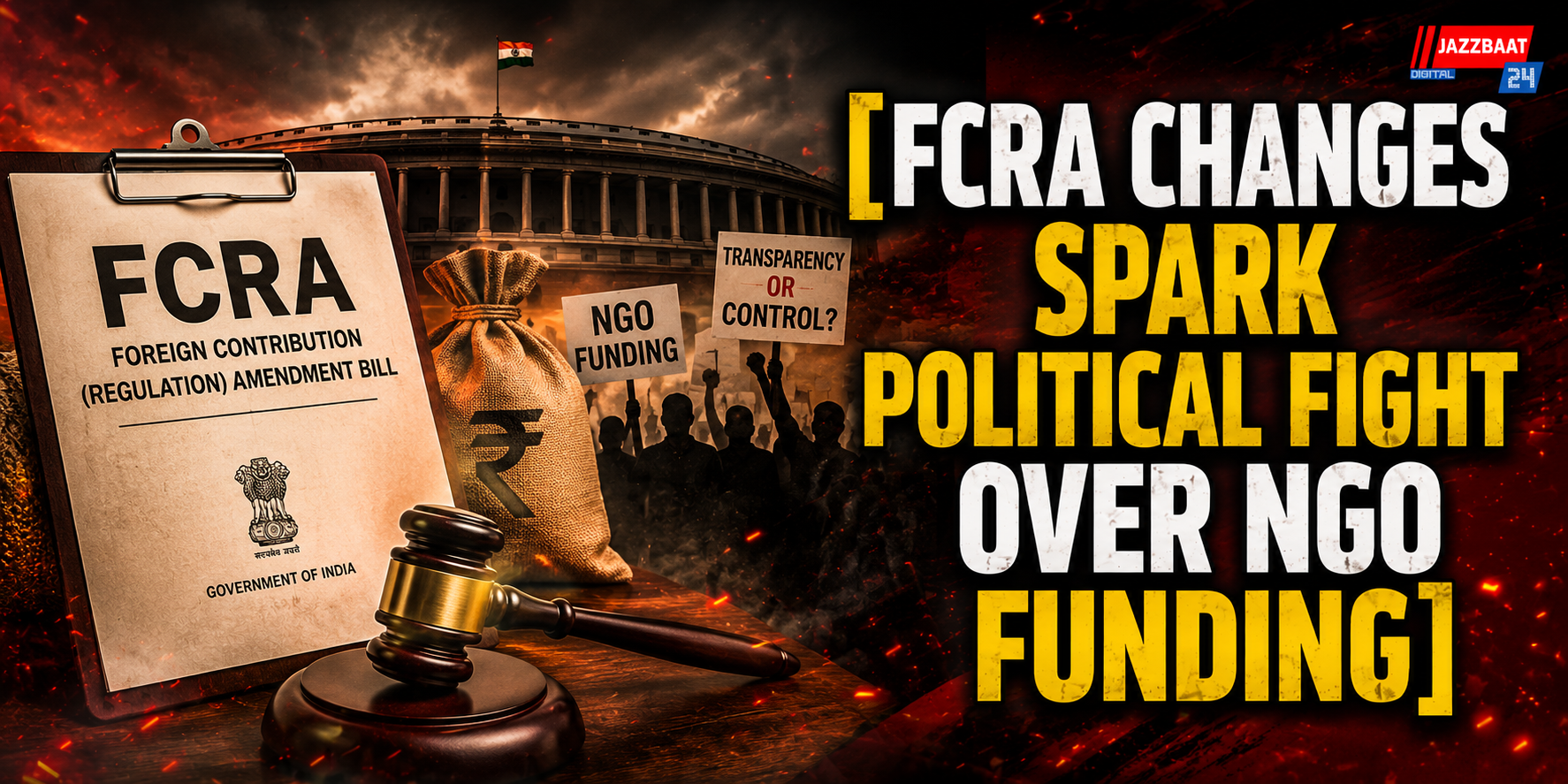
The proposed FCRA Amendment Bill, 2026, seeks to tighten the rules governing organisations that receive foreign contributions. At the centre of the debate is what happens to assets created using foreign funds if an NGO loses, surrenders or fails to renew its FCRA registration.
Under the proposed framework, a designated authority could temporarily take control of such assets. In certain circumstances, the assets could eventually be permanently vested with the government. The Bill also provides for a right of revision and judicial appeal against decisions, while reducing the maximum imprisonment for certain violations from five years to one year.
The government argues that the changes are intended to close loopholes, improve accountability and ensure that foreign money is not misused. The Centre has also defended tighter monitoring as necessary to protect national interests and maintain transparency in the flow of overseas funds.
At the same time, the Home Ministry has already introduced significant changes to the FCRA Rules. New registrations must specify the exact purposes for which foreign funds will be used as well as the states or Union Territories where an organisation will operate. Existing organisations have been given time to update their details.
The new rules also require NGOs seeking renewal to show that they have utilised at least ₹10 lakh in foreign contributions during the previous two financial years. Annual reporting requirements have been expanded to include project- and activity-wise utilisation, website and social-media details, and information identifying the ultimate foreign donor.
The opposition, however, sees the proposed legislation differently. Congress has announced that it will oppose the Bill, with party leader KC Venugopal accusing the government of targeting NGOs through tougher regulations. NCP (SP) leader Supriya Sule has called for the Bill to either be withdrawn or referred to a Joint Parliamentary Committee for wider consultation.
Tamil Nadu Chief Minister M.K. Stalin has also criticised the proposed changes, arguing that excessive restrictions could affect organisations working in areas such as social welfare and support for marginalised communities.
The controversy now reflects a larger question: should foreign-funded NGOs face stronger financial scrutiny in the interest of transparency and national security, or could tighter controls weaken the independence of civil society?
With the government defending the reforms and the opposition preparing to challenge them, the FCRA debate is set to become one of the major political flashpoints of the current parliamentary session.