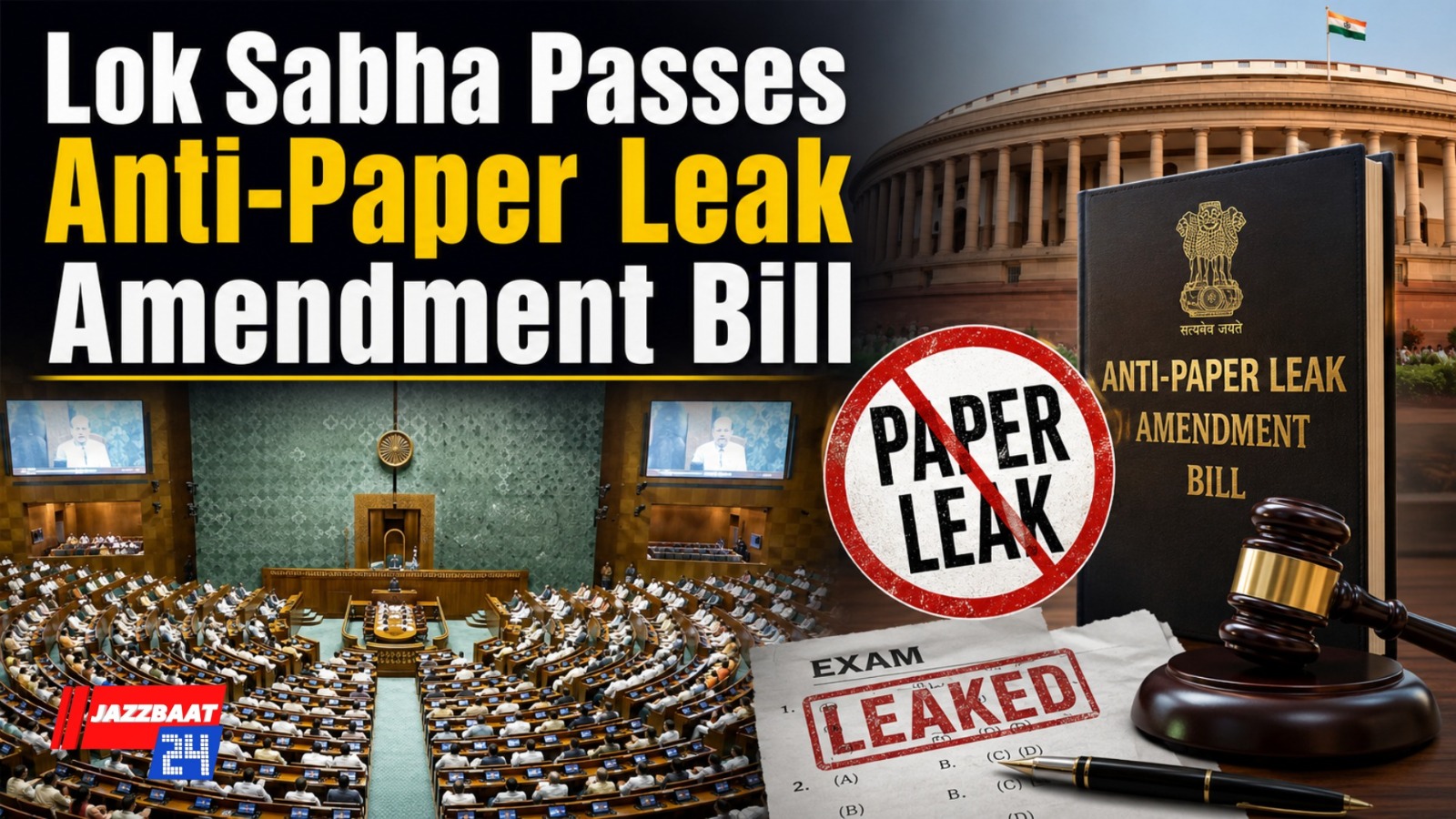
The Lok Sabha has passed the Public Examinations (Prevention of Unfair Means) Amendment Bill, 2026 through a voice vote, significantly strengthening India's anti-paper leak law amid growing concerns over examination fraud. The legislation amends the 2024 Act and comes in the wake of several high-profile paper leak controversies, including the cancellation and re-conduct of the NEET-UG 2026 examination.
The amendment aims to make public examinations more secure by introducing tougher punishments, faster investigations, and time-bound trials. It covers examinations conducted by agencies such as the Union Public Service Commission (UPSC), National Testing Agency (NTA), Staff Selection Commission (SSC), Railway Recruitment Boards (RRBs), Institute of Banking Personnel Selection (IBPS), and other notified public examination authorities.
One of the Bill's major changes is a sharp increase in penalties for those involved in exam malpractice. Individuals found guilty of using unfair means can now face imprisonment ranging from five to ten years, along with fines of up to ₹50 lakh, compared with the previous provision of three to five years' imprisonment and a maximum fine of ₹10 lakh. Organised crime syndicates involved in paper leaks and examination fraud can face prison terms of up to ten years and fines reaching ₹10 crore.
The legislation also mandates time-bound investigations, establishes Special Fast Track Courts for speedy trials, appoints Special Public Prosecutors, and provides for faster disposal of appeals. The government said these measures are intended to improve conviction rates and ensure quicker justice in examination-related offences.
During the debate, the government argued that stronger legal provisions were essential to protect the interests of millions of students and restore confidence in the country's competitive examination system. Opposition members, however, questioned whether stricter punishments alone would prevent future paper leaks, arguing that broader administrative and institutional reforms are also needed. Despite the political disagreements, the Bill was passed by the Lok Sabha.
The Bill will now move to the Rajya Sabha for consideration before it can become law. If approved by the Upper House and receiving the President's assent, the amended legislation is expected to provide a stronger legal framework to combat organised examination fraud and enhance the credibility and transparency of public examinations across India.