
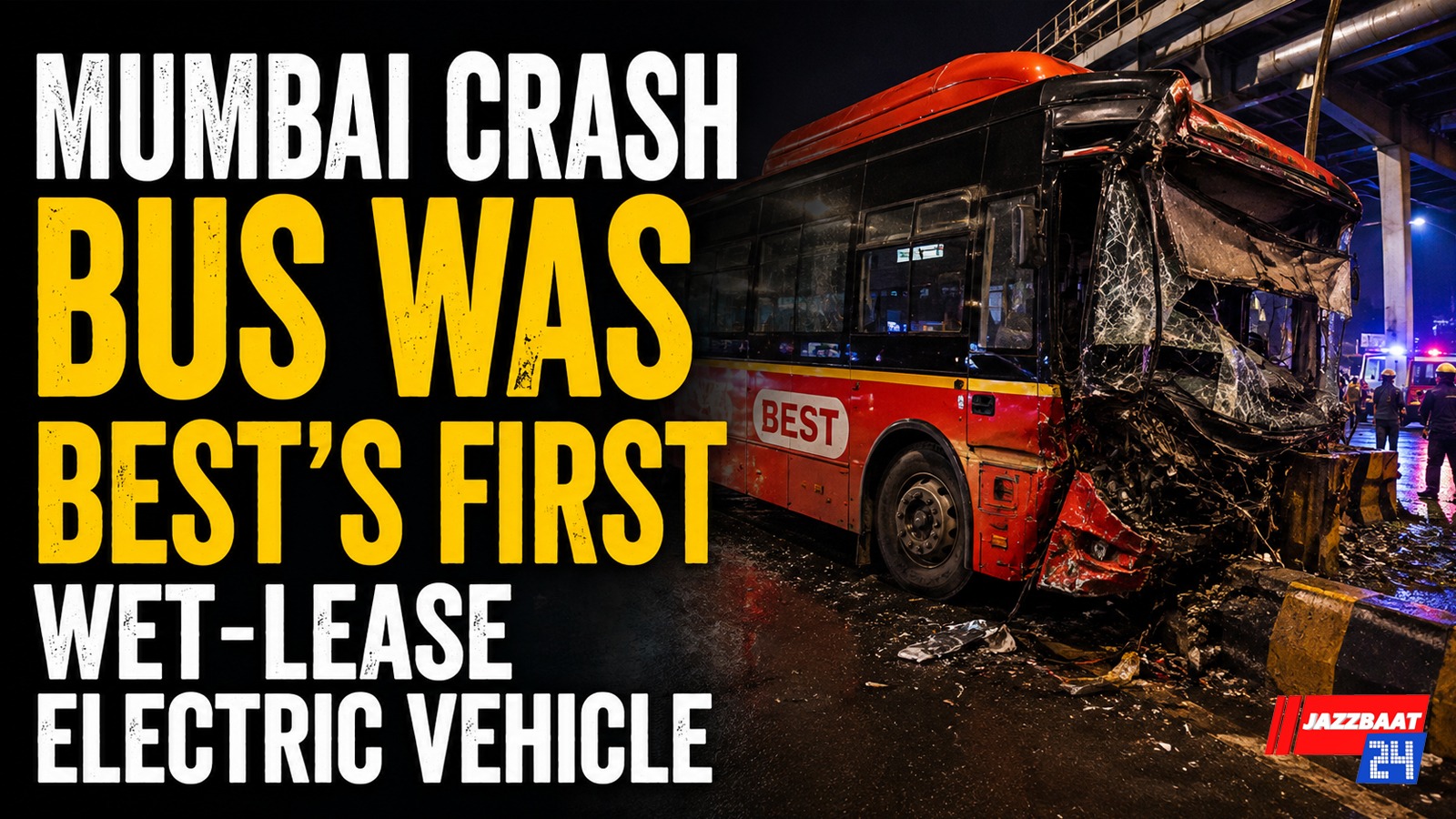
The electric bus involved in the recent fatal crash in Mumbai was a significant vehicle in the city's public transport history. According to officials, it was the first electric bus inducted into the Brihanmumbai Electric Supply and Transport (BEST) fleet under the wet-lease model, a system in which private operators provide and maintain buses while BEST manages routes and passenger services.
The accident has once again brought attention to the growing use of electric buses in Mumbai's public transport network and the challenges associated with operating and maintaining them. While authorities continue to investigate the exact cause of the crash, the incident has reignited concerns about vehicle maintenance, driver training, and safety oversight within the wet-lease system.
BEST has increasingly relied on wet-lease electric buses as part of its efforts to modernize the city's transport fleet and reduce carbon emissions. Under this model, buses are supplied by private contractors, who are also responsible for maintenance and driver deployment. BEST officials have maintained that the system allows for faster fleet expansion and the introduction of cleaner technology.
The crash comes amid heightened scrutiny of the wet-lease fleet. In recent months, BEST ordered fleet-wide inspections after safety concerns emerged regarding several contract-operated buses. Reports highlighted issues such as brake defects, steering problems, and maintenance lapses in some vehicles, prompting the transport undertaking to strengthen inspection procedures and roadworthiness checks.
Following the latest accident, authorities have begun examining whether mechanical failure, operational issues, or human error played a role. Investigators are also reviewing the maintenance history of the vehicle and compliance with safety protocols. Officials have assured that a detailed inquiry will determine the circumstances that led to the tragedy.
The incident has sparked renewed calls from transport activists and commuter groups for stricter monitoring of private contractors operating public buses. They argue that while electric buses are essential for sustainable urban transport, safety standards and maintenance practices must be rigorously enforced to protect passengers and pedestrians.
As Mumbai continues its transition toward an all-electric public transport system, the findings of the investigation are expected to influence future policies on fleet management, contractor accountability, and safety regulations. For now, the focus remains on supporting the victims' families and ensuring that lessons from the accident are incorporated into the city's evolving transport network.