1 months ago
Aug 13, 2026 06:07 PM
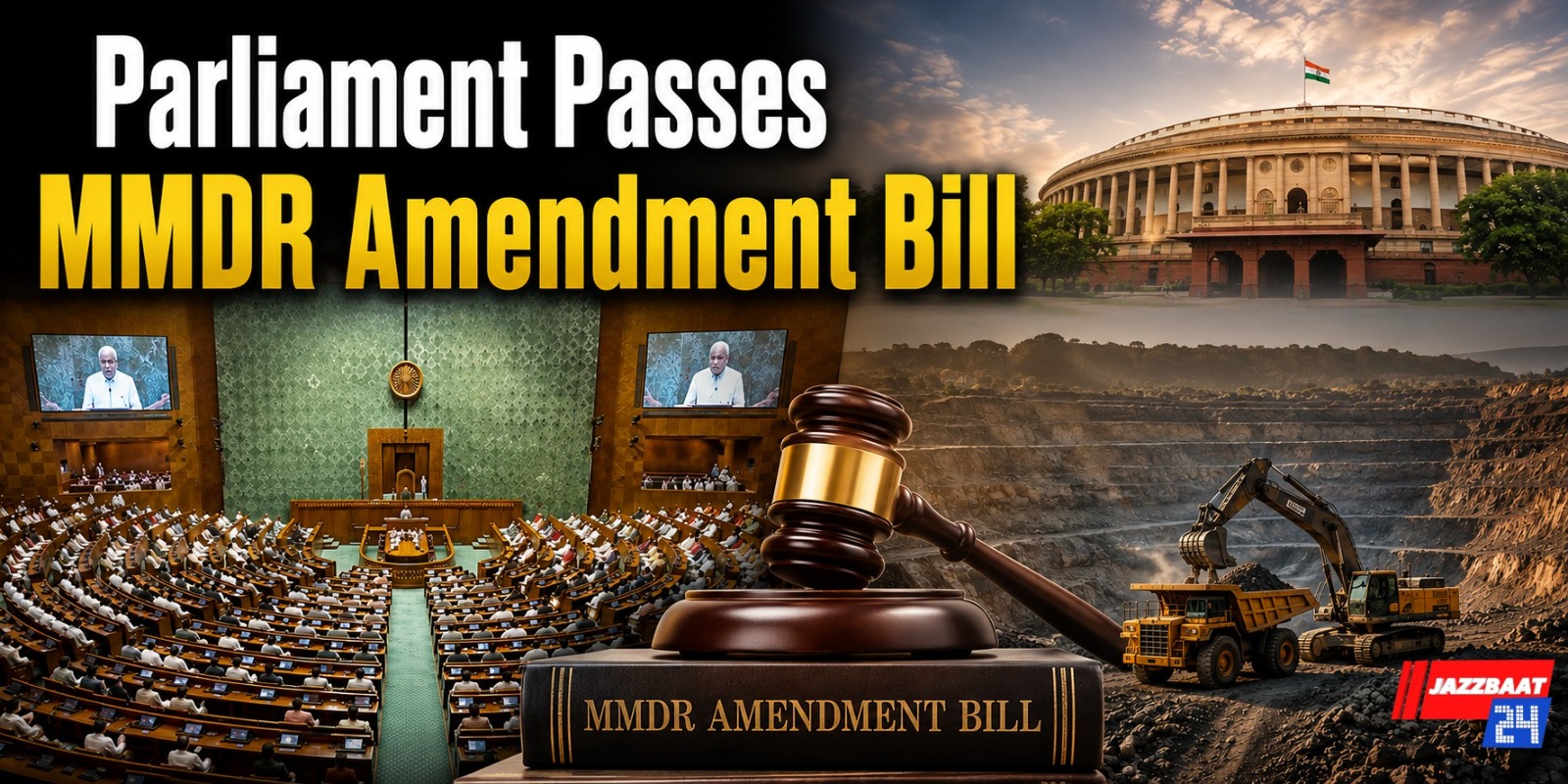
New Delhi: Parliament has cleared the Mines and Minerals (Development and Regulation) Amendment Bill, 2026, paving the way for it to become law once it receives the President’s assent.
The Bill was passed by the Lok Sabha on August 12 and cleared by the Rajya Sabha on Thursday, August 13. It seeks to overhaul parts of the existing mining framework and encourage greater exploration and development of critical and strategic minerals.
A key focus of the legislation is to create a more predictable regulatory environment for the mining sector. The government has argued that the amendments will help unlock mineral resources needed for industries such as renewable energy, electric vehicles, electronics and other emerging technologies.
The Bill also seeks to place restrictions on the ability of state governments to impose certain taxes, cesses and other levies on mineral rights and mineral-bearing lands. The government has said that differences in taxation between states and the retrospective introduction of levies have created uncertainty for the mining industry.
The proposed changes come against the backdrop of a major 2024 Supreme Court judgment, which held that states have the power to tax mineral rights, while also making it clear that Parliament can impose limitations on that power through legislation relating to mineral development. The new Bill seeks to use that legislative power to establish such restrictions.
The legislation has, however, faced criticism from some state governments and political parties. Critics have raised concerns about federalism and argued that restricting states' taxation powers could affect their revenues and financial autonomy.
Kerala Chief Minister V D Satheesan, for instance, opposed the amendment and said it undermines the federal structure by limiting the powers of state governments.
The Bill was introduced in the Lok Sabha only on August 10 and moved through both Houses within a few days. Its passage came during a Monsoon Session marked by repeated disruptions and political confrontation between the government and Opposition.
With parliamentary approval now complete, the Bill will be sent to the President. It will become law after receiving presidential assent and being brought into force according to the government's notification.
The new framework is expected to have a significant impact on India's mineral sector, particularly as the country seeks to strengthen domestic supplies of critical minerals and reduce dependence on imports.