
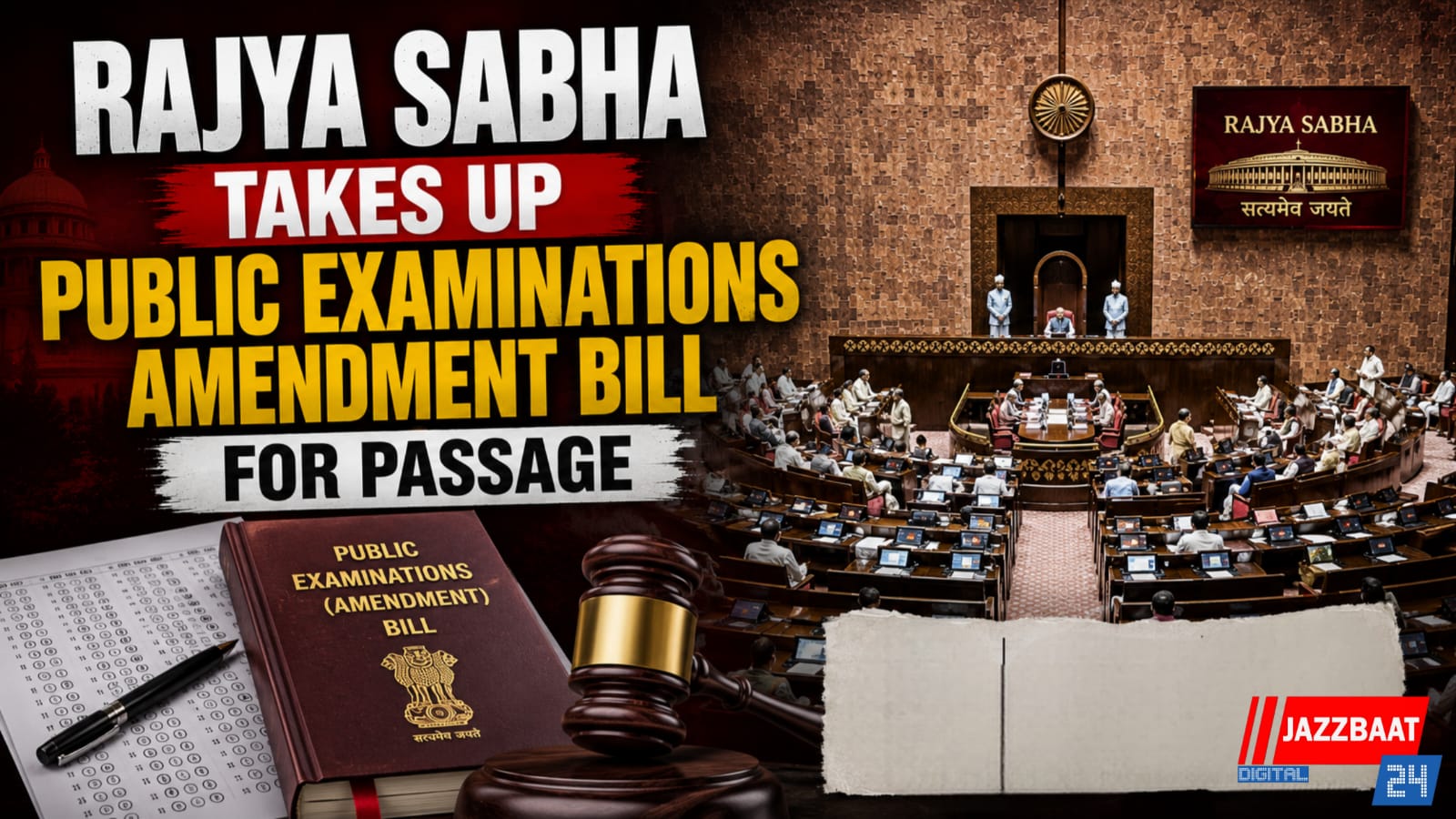
The Public Examinations (Prevention of Unfair Means) Amendment Bill was taken up for consideration and passage in the Rajya Sabha on Thursday, marking another step in the Centre's efforts to strengthen laws against cheating, paper leaks, and other malpractices in public examinations. The legislation comes amid growing concerns over repeated recruitment exam leaks and irregularities that have affected lakhs of candidates across the country.
The amendment seeks to strengthen the existing Public Examinations (Prevention of Unfair Means) Act, providing authorities with greater powers to investigate and prosecute organised examination fraud. The government has said the revised law is aimed at safeguarding the integrity, transparency, and credibility of recruitment examinations conducted by central agencies and other notified public authorities.
Speaking in the Rajya Sabha, Union ministers argued that paper leaks and organised cheating have become a serious challenge, causing hardship to genuine candidates and undermining public trust in the recruitment process. They maintained that the amendment would help create a stronger legal framework to deter criminal networks involved in examination fraud.
Opposition members largely supported the objective of preventing unfair means in examinations but called for stronger implementation, improved cybersecurity, and better safeguards for examination systems. Some MPs also urged the government to ensure timely recruitment and greater accountability among agencies conducting competitive examinations.
The original law, enacted in 2024, introduced stringent penalties for individuals and organised groups involved in paper leaks, impersonation, and other examination-related offences. It provides for imprisonment, heavy fines, and action against institutions found complicit in organised malpractice. The amendment is intended to address operational challenges identified during implementation and further tighten enforcement mechanisms.
The Bill's consideration in the Rajya Sabha follows its passage in the Lok Sabha earlier in the day. Once approved by the Upper House and after receiving the President's assent, the amended law will come into force according to the provisions notified by the Central Government.
The government has reiterated that protecting the interests of honest candidates remains its top priority and that stronger legal measures are essential to ensure fair, transparent, and credible public examinations across the country.