

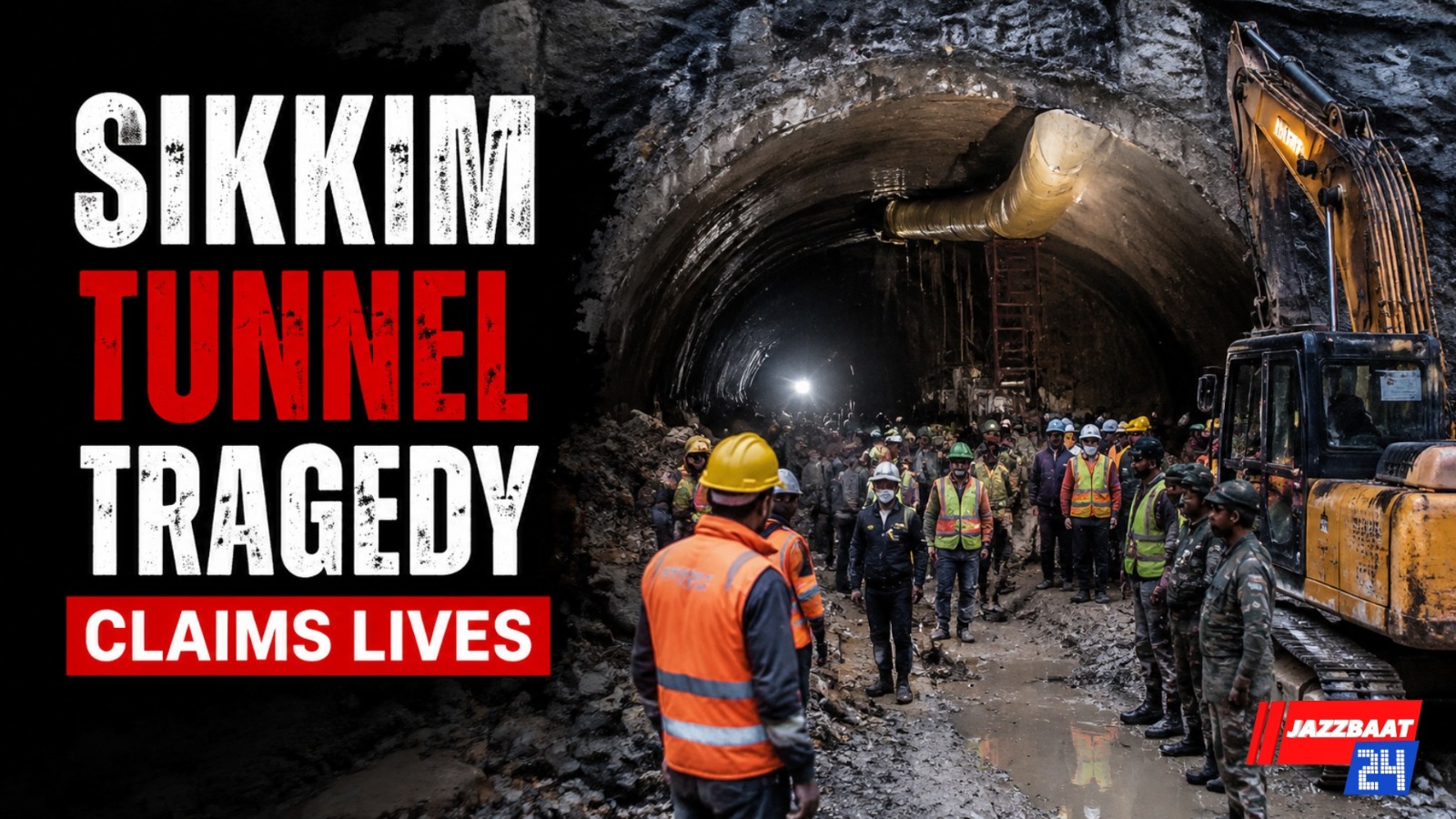
A major tragedy unfolded in Sikkim after a landslide struck an under-construction tunnel at the NHPC Teesta Stage VI Hydroelectric Project in Samardung, Namchi district, leaving at least 10 people dead while several others remain trapped. Rescue teams have been working round the clock under extremely challenging conditions to search for survivors.
The incident occurred on Monday when a massive landslide blocked the tunnel entrance. Officials believe the collapse was followed by a dangerous methane gas leak, making rescue operations highly risky. At the time of the disaster, dozens of workers and project personnel were inside the tunnel, with some located nearly three kilometres from the entrance. Toxic gases and unstable debris have slowed the efforts of emergency responders.
Multiple agencies, including the National Disaster Response Force (NDRF), State Disaster Response Force (SDRF), Sikkim Police, Fire and Emergency Services, district administration, and NHPC officials, have been deployed at the site. Rescue personnel are using specialised breathing equipment and heavy machinery to clear debris while ensuring the safety of those involved in the operation. Continuous rainfall in the region has further complicated the rescue mission by increasing the risk of fresh landslides.
Sikkim Chief Minister Prem Singh Tamang visited the accident site to review the ongoing rescue work and assured all possible support to the affected families. The state government has announced an ex gratia compensation of ₹4 lakh for the families of each deceased worker and ₹50,000 for those injured. An SIT has also been constituted to investigate the cause of the accident, including reports of a methane gas explosion inside the tunnel.
Prime Minister Narendra Modi also spoke with the Sikkim Chief Minister to assess the situation and reviewed the progress of rescue operations. The Centre has assured full assistance to the state as efforts continue to locate those still missing.
The tragedy has once again highlighted the dangers associated with large infrastructure projects in the fragile Himalayan region, where landslides, unstable terrain, and adverse weather conditions pose constant risks. Authorities are expected to conduct a detailed investigation into safety protocols and preventive measures once rescue operations are completed. Meanwhile, anxious families continue to wait for news of their loved ones as the operation enters another critical phase.