
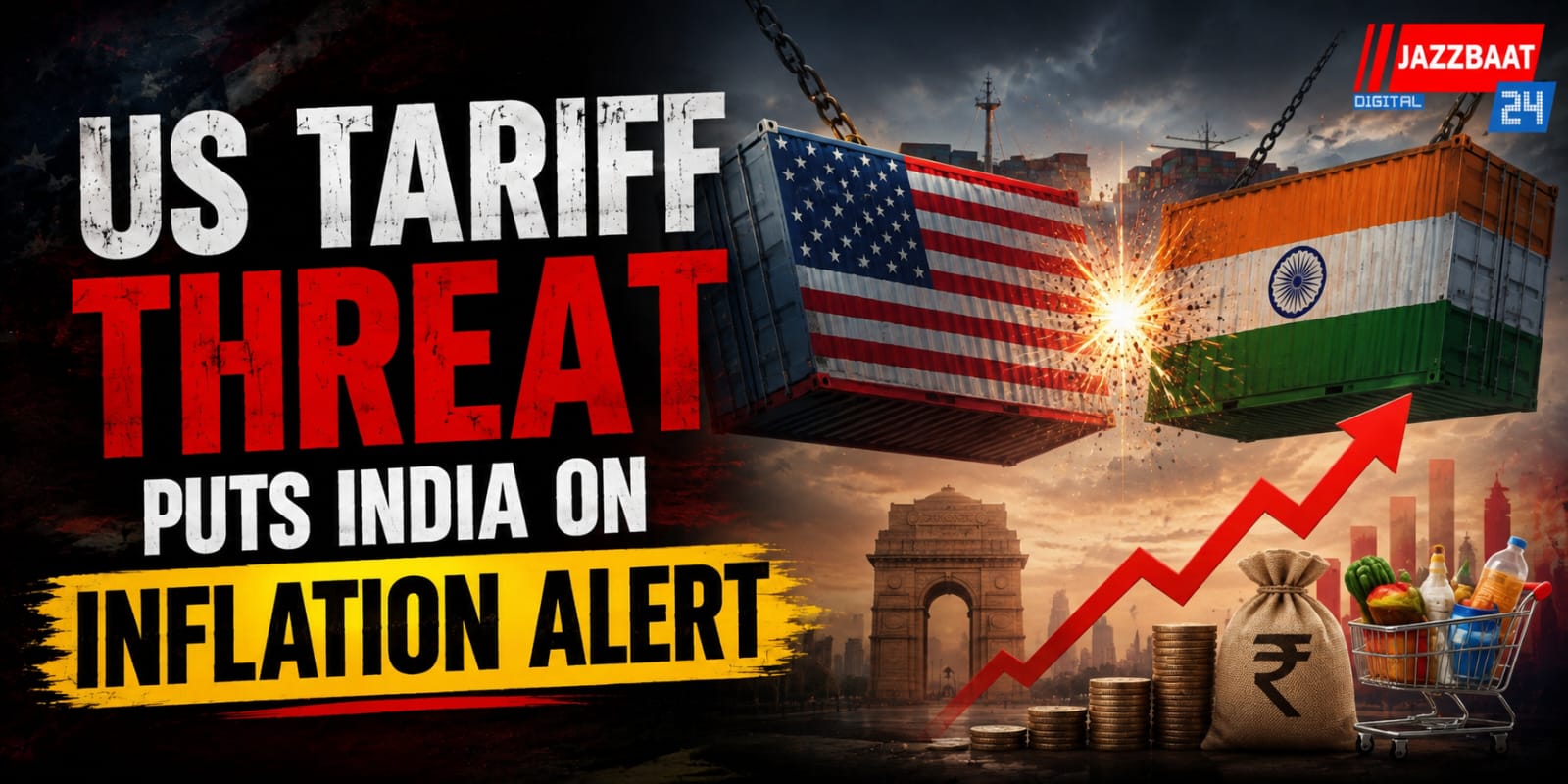
A fresh threat of a 100 per cent US tariff on countries buying Russian oil could create additional economic pressure for India, with analysts warning that higher import costs may push up inflation and widen the current account deficit (CAD).
The warning comes after the US Senate backed a measure proposing tariffs of up to 100 per cent on imports from countries continuing to purchase Russian oil. India, one of the world's largest buyers of Russian crude, could face significant uncertainty if the proposal moves forward.
According to CareEdge, the potential tariff escalation could affect India's external trade position and increase pressure on the rupee. The impact would depend largely on how long the higher tariff remains in place and how Indian exporters and importers adjust to the changing trade environment.
India's dependence on imported crude makes the situation particularly sensitive. If geopolitical pressure forces Indian refiners to reduce purchases of Russian oil and shift to more expensive supplies from other sources, the country's overall import bill could rise. Higher crude prices would increase costs for transport, manufacturing and several other sectors, potentially adding to domestic inflation.
The current account could also come under pressure. A higher oil import bill would widen India's merchandise trade deficit unless it is offset by stronger exports or larger services and remittance inflows.
India has so far benefited from discounted Russian crude, which has helped refiners manage energy costs despite global volatility. Any disruption to that supply chain could therefore create additional pressure on both businesses and consumers.
The threat also comes at a time when India's external sector is already facing uncertainty from changing global trade policies. The World Bank has noted that India's economy remains supported by strong domestic demand and relatively low inflation, but global trade tensions and energy-market disruptions remain important risks.
Analysts, however, say the impact should not be viewed as automatic. India has several options, including diversifying crude purchases, negotiating with trading partners and adjusting the mix of its energy imports. The country's strong services exports and remittance flows could also provide some cushion against a wider merchandise trade deficit.
For Indian exporters, a steep US tariff could meanwhile make products more expensive in the American market, potentially reducing demand and affecting sectors with high exposure to US trade.
The latest development therefore presents a difficult balancing act for New Delhi: protecting energy security while limiting the economic fallout from Washington's pressure over Russian oil.
With the proposed tariff still subject to further legislative and policy steps, the immediate impact remains uncertain. But economists warn that if the threat becomes a sustained policy measure, India could face a combination of higher import costs, inflationary pressure, rupee weakness and a wider current account deficit.