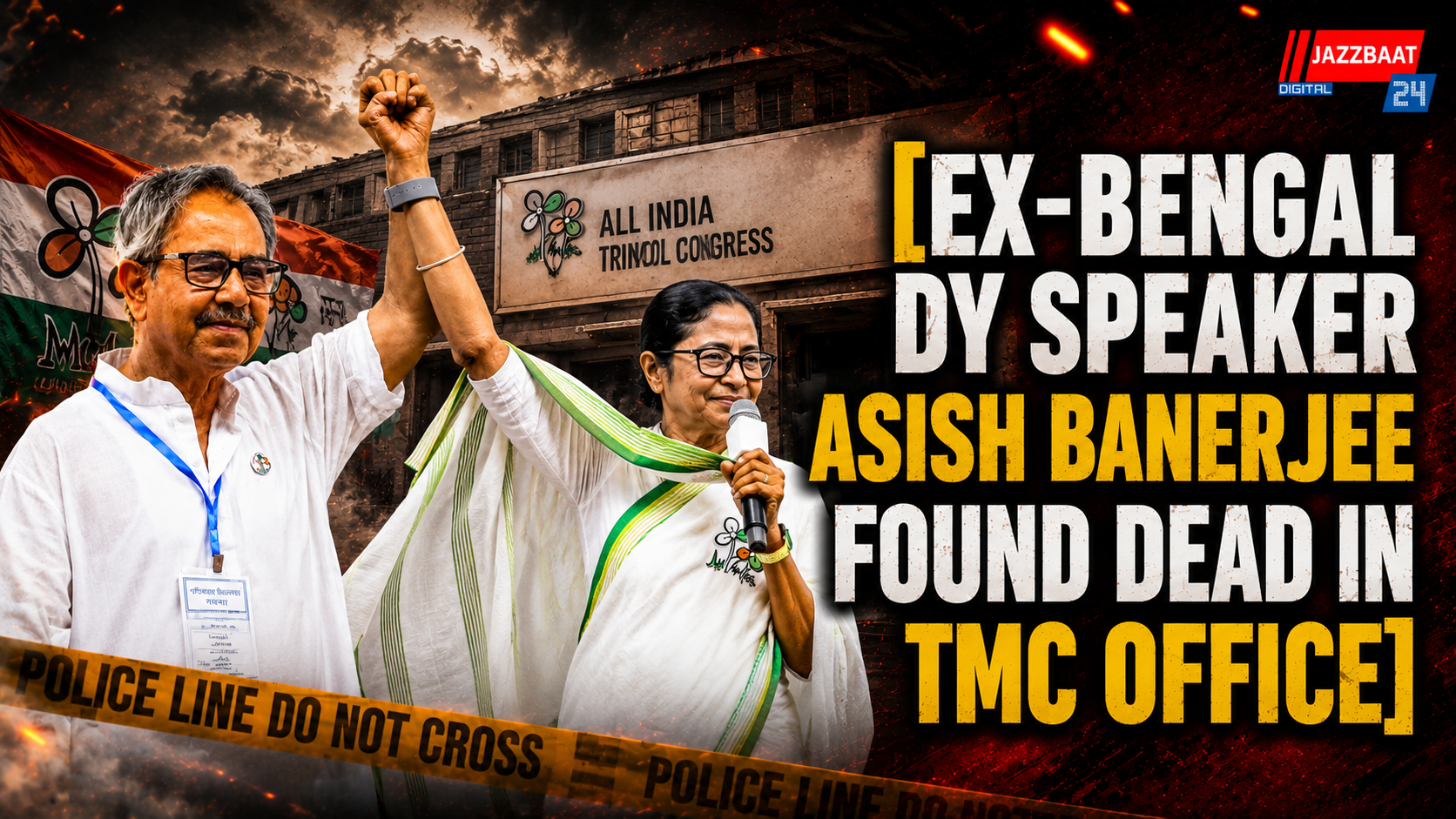
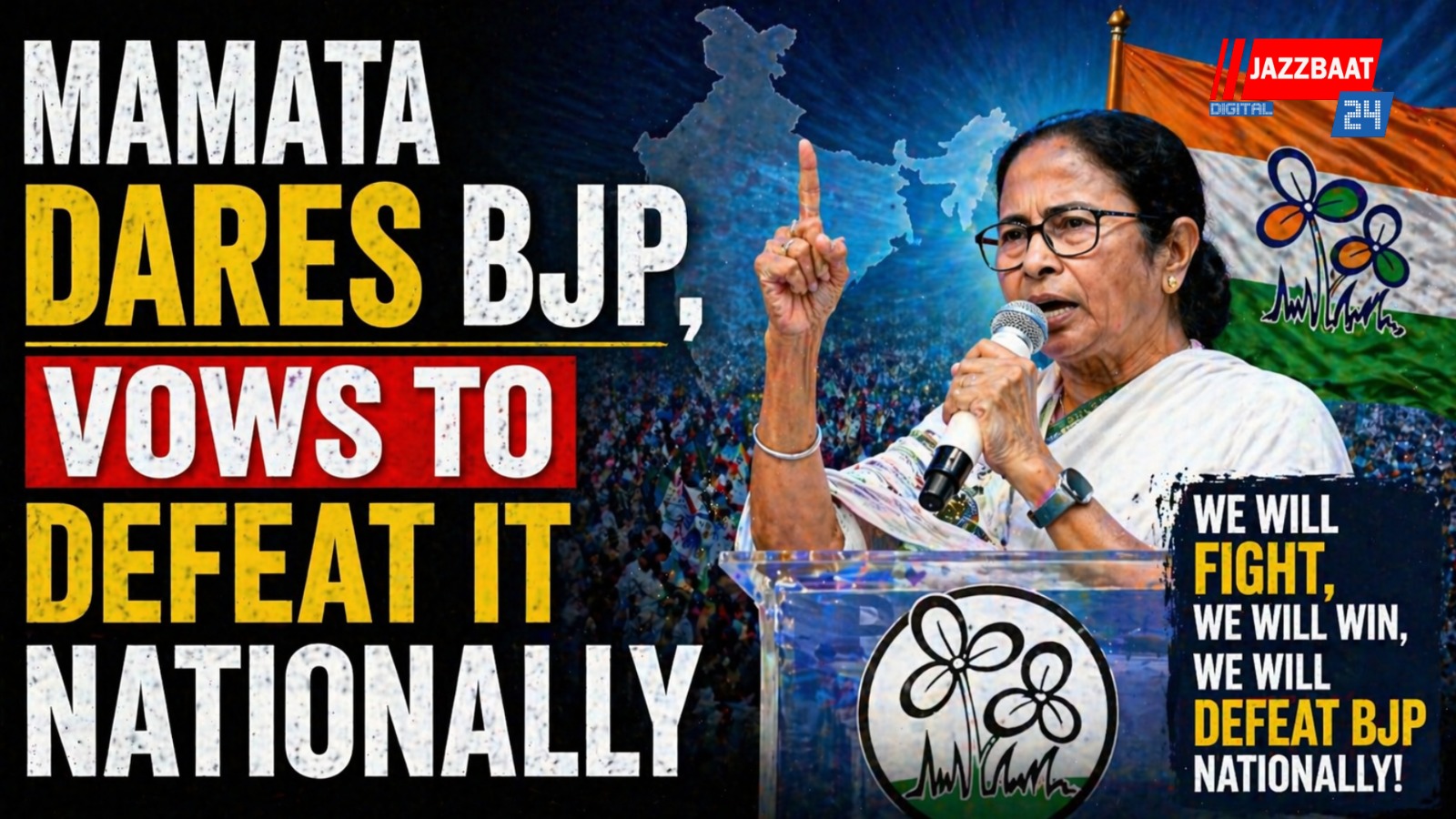
Kolkata: West Bengal Chief Minister Mamata Banerjee on Friday launched a sharp attack on the Centre, declaring that the names of “BJP’s brokers” have been noted and vowing to oust the party from power in Delhi. Her remarks come amid intensifying campaigning and a series of political flashpoints during the ongoing election season.
Addressing a rally, Banerjee accused the Bharatiya Janata Party of using intermediaries to influence political developments in the state. She alleged that such efforts were aimed at destabilising her government and undermining the mandate of the people. Without naming individuals, she warned that those involved would be held accountable.
Taking the attack a step further, Banerjee positioned the battle in Bengal as part of a larger national struggle, asserting that regional forces would unite to challenge the BJP at the Centre. She said her party’s fight is not limited to the state but is aimed at “saving democracy” across the country.
The BJP, however, dismissed the allegations as politically motivated. Party leaders countered that such statements are an attempt to divert attention from governance issues and internal challenges within the ruling Trinamool Congress (TMC). They maintained that the BJP’s focus remains on development and expanding its footprint in states like West Bengal.
Banerjee’s remarks reflect an increasingly national tone in her campaign, as she seeks to position herself as a key opposition figure beyond Bengal. Her call to remove the BJP from Delhi aligns with broader opposition efforts to consolidate support against the ruling party at the Centre.
Political analysts note that such aggressive rhetoric is part of a high-stakes narrative battle, with both sides attempting to energise their core supporters. While the TMC is emphasising federal autonomy and resistance to central influence, the BJP continues to project a message of national unity and governance.
As the election campaign intensifies, the sharp exchanges between Banerjee and BJP leaders are likely to escalate further, shaping both state-level dynamics and the broader national political discourse in the months ahead.