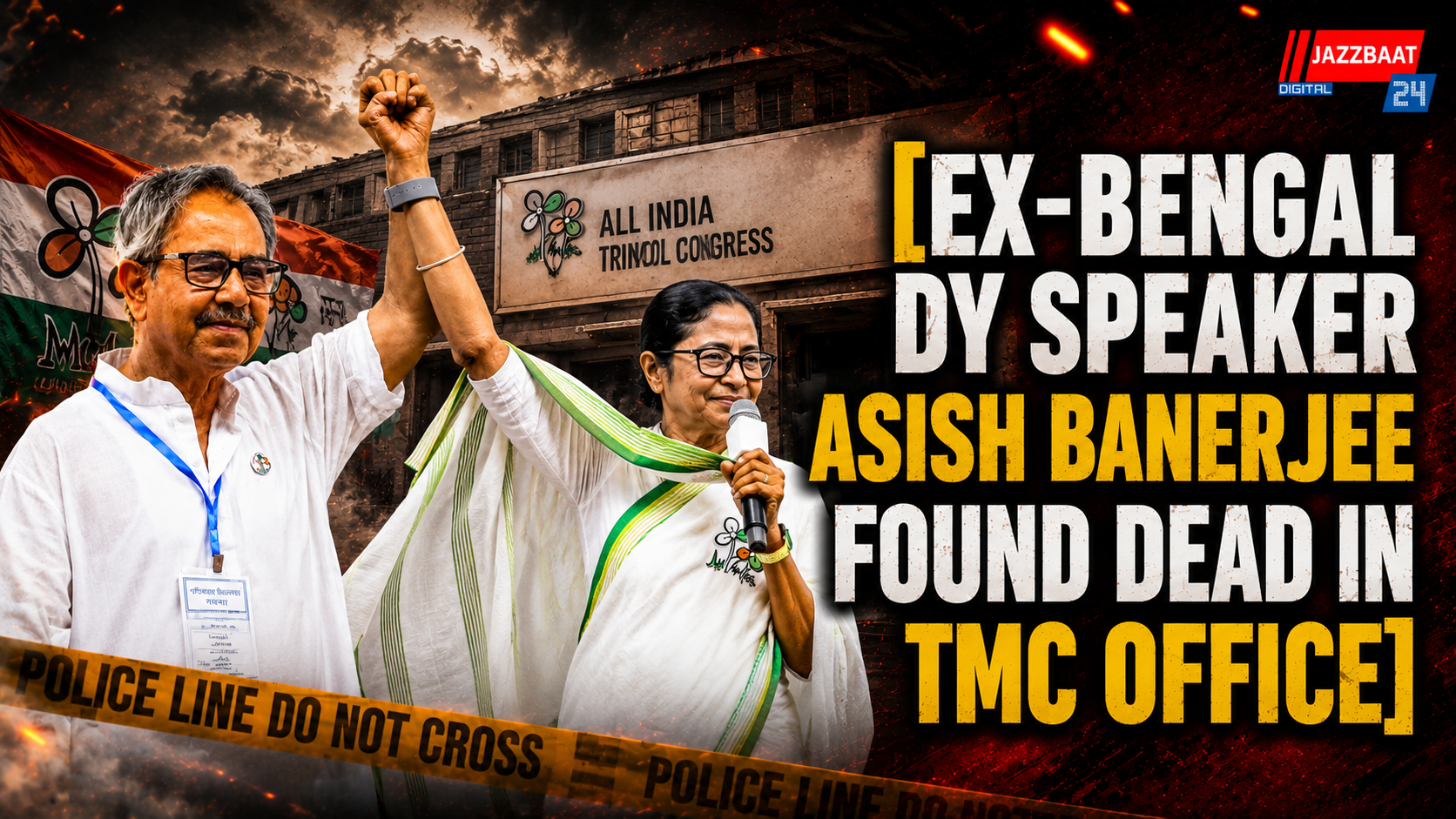


The political temperature in West Bengal surged further as Prime Minister Narendra Modi and Chief Minister Mamata Banerjee traded sharp remarks during the ongoing Assembly election campaign, turning the state’s political discourse into a battle of contrasting narratives.
Addressing an election rally, PM Modi criticised the state’s law and order situation, alleging that “jungle raj” prevails in West Bengal under the current administration. He claimed that political violence, corruption allegations, and administrative bias have created an environment where democratic processes are under pressure. The Prime Minister urged voters to bring change, asserting that development and security could only be ensured under a new government.
Modi’s remarks were aimed at energising the opposition campaign in the state, where elections have traditionally been marked by intense rivalry and high voter engagement. He also highlighted national development schemes, arguing that West Bengal has not fully benefited due to what he described as poor implementation at the state level.
In a swift counterattack, Chief Minister Mamata Banerjee rejected the allegations and defended her government’s record. Speaking at a separate rally, she described Bengal as a “mini-India”, emphasising its cultural diversity, communal harmony, and inclusive social fabric. She said the state reflects the unity of the country, where people from different backgrounds live together peacefully.
Banerjee accused the opposition of attempting to misrepresent West Bengal’s reality for political gain. She argued that the state has made progress in areas such as welfare schemes, rural development, and social support systems, despite financial and administrative challenges. She also urged voters to remain alert against what she called “divisive politics”.
The exchange between the two leaders has further intensified the already charged political environment in the state, where campaigning has been marked by strong rhetoric, large rallies, and sharp criticism between rival parties.
Political observers note that West Bengal elections often witness high-decibel campaigns, with leaders using contrasting narratives to appeal to voters. While one side focuses on governance and security concerns, the other highlights cultural identity and welfare-driven development.
As polling phases continue, both parties are expected to escalate their campaign efforts, with rallies, roadshows, and public outreach programmes across key constituencies. Security arrangements have also been strengthened in several districts to ensure peaceful voting.
With both national and state-level leadership heavily involved in campaigning, the West Bengal Assembly elections are shaping up into one of the most closely watched and politically significant contests in the country.