
“Constitutional Rights Shouldn’t Need a Hunger Strike to Be Honored”
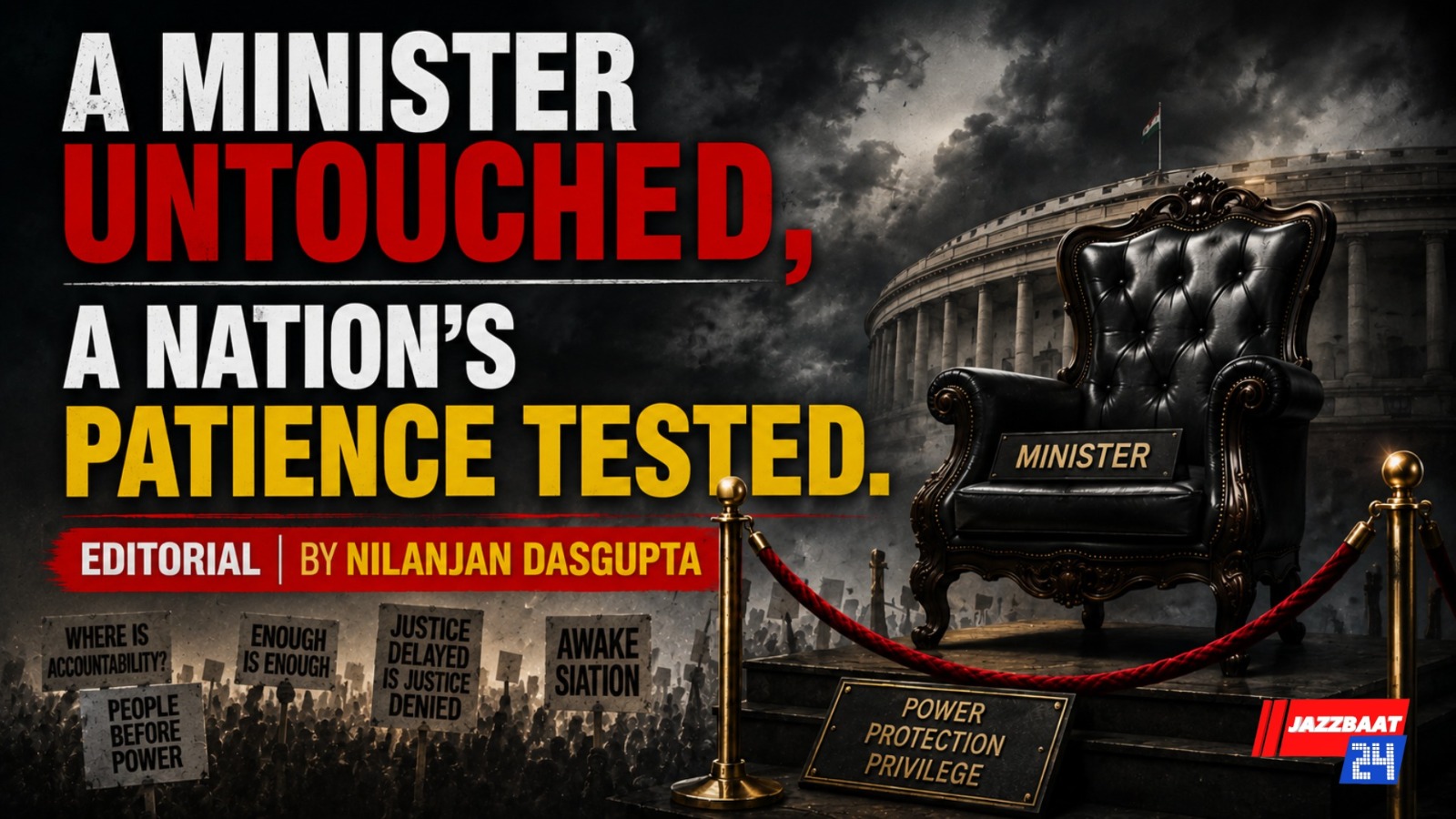
In a democracy, justice delayed is not merely an administrative failure; it is a wound on the Constitution itself. When citizens are forced to sit on hunger strike to demand rights already guaranteed to them, the question is no longer only about one protest or one minister. It becomes a larger question about accountability, dignity and the moral health of governance.
A minister who remains untouched despite serious public anger sends a dangerous message. It tells the people that power can stand above responsibility. It tells the common citizen that their suffering must become spectacle before the system listens. This is not what democracy promises.
Constitutional rights are not charity. They are not favours granted by those in office. They are the foundation on which the republic stands. When people are compelled to risk their health and lives to make the government act, it reflects a deep failure of political sensitivity.
The patience of the nation should never be mistaken for weakness. People may remain silent for a time, but silence does not mean acceptance. Public trust, once broken, is difficult to rebuild.
The government must understand that accountability is not optional. If allegations exist, they must be investigated transparently. If injustice has been done, corrective action must be immediate. And if a minister has failed in duty, protection cannot be the answer.
A democracy is judged not by how loudly it speaks of the Constitution, but by how honestly it honours it.