

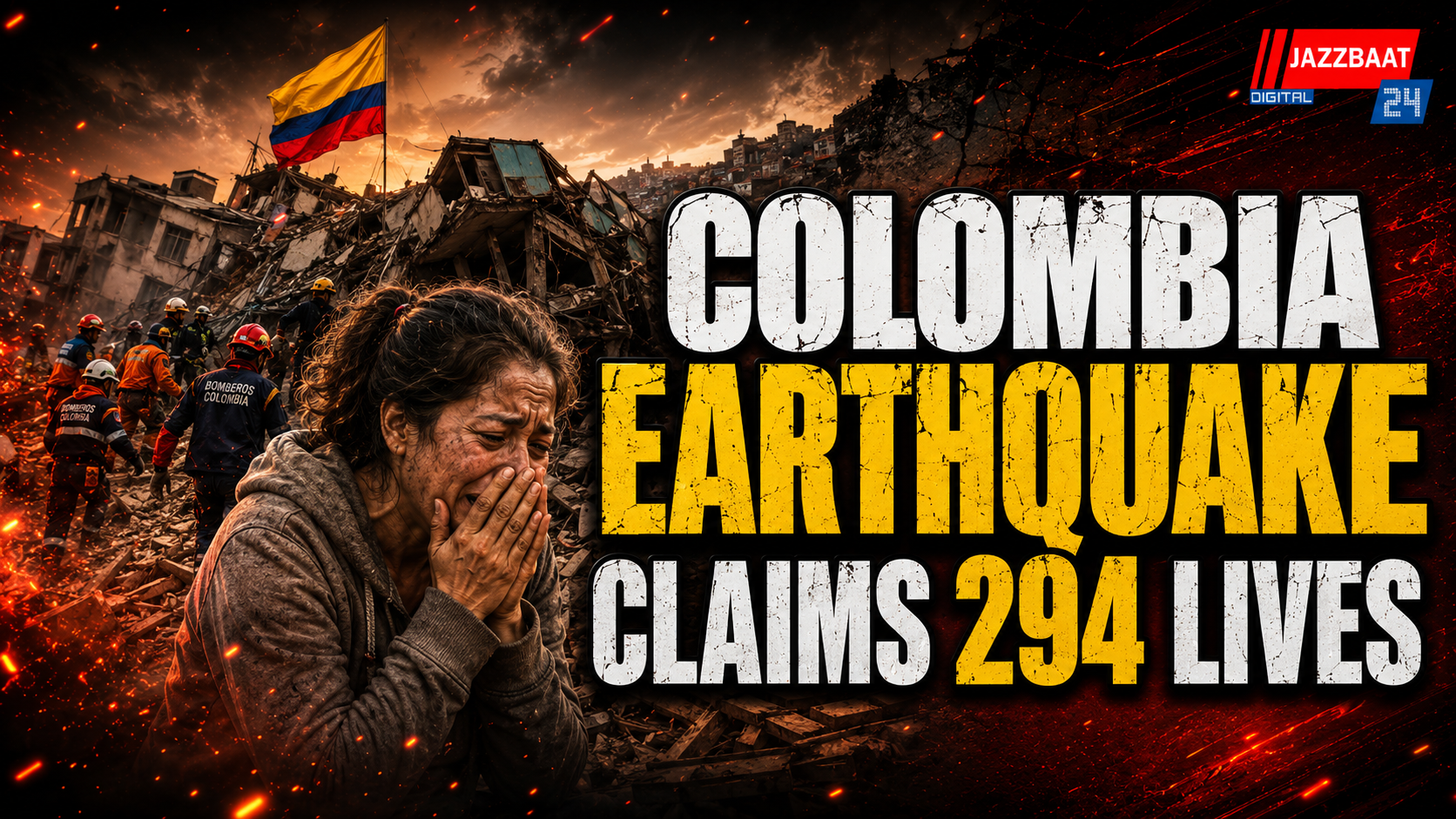
At least 294 people have died after a powerful 7.4-magnitude earthquake struck western Colombia, while 320 people remain missing and nearly 4,000 others have been injured, according to the country’s National Unit for Disaster Risk Management (UNGRD).
The earthquake struck on Monday, August 10, with the epicentre near San José del Palmar in the department of Chocó. The powerful tremor caused widespread destruction across western Colombia, affecting cities including Cali, Pereira, Manizales and Quibdó. Apartment buildings, homes, schools, hospitals and other infrastructure were damaged or destroyed.
The latest figures released by Colombian authorities put the number of injured at 3,935, while 320 people are still officially missing. Rescue teams continue to search collapsed buildings for survivors, although hopes of finding people alive are fading as the operation enters a more difficult phase.
More than two-thirds of the reported deaths have been concentrated in Cali and Pereira, two of the areas hardest hit by the disaster. Rescue workers have been recovering bodies from collapsed structures while heavy equipment is being brought in to clear dangerous debris.
The earthquake has also displaced thousands of residents. Many families have been forced to sleep outdoors or in temporary shelters because their homes were destroyed or declared unsafe. Shortages of basic supplies have added to the difficulties faced by communities in the worst-affected areas.
Emergency crews have been working around the clock, but repeated aftershocks have complicated rescue operations and increased risks for workers and survivors. Reports indicate that hundreds of aftershocks have been recorded since the main earthquake.
Colombia’s newly installed government has come under pressure over its handling of the disaster, although authorities have mobilised emergency services and accepted international assistance. The World Bank has also provided $200 million to support Colombia’s immediate earthquake response and longer-term recovery, including healthcare, housing and support for affected businesses.
As the death toll continues to rise, the focus is increasingly shifting from rescue to recovery and rebuilding. Authorities are assessing damage across the affected regions while families continue to wait for information about relatives who remain missing.
The disaster is one of Colombia’s most serious earthquakes in recent years and has left communities across the country mourning, searching for loved ones and beginning the difficult process of rebuilding their lives.