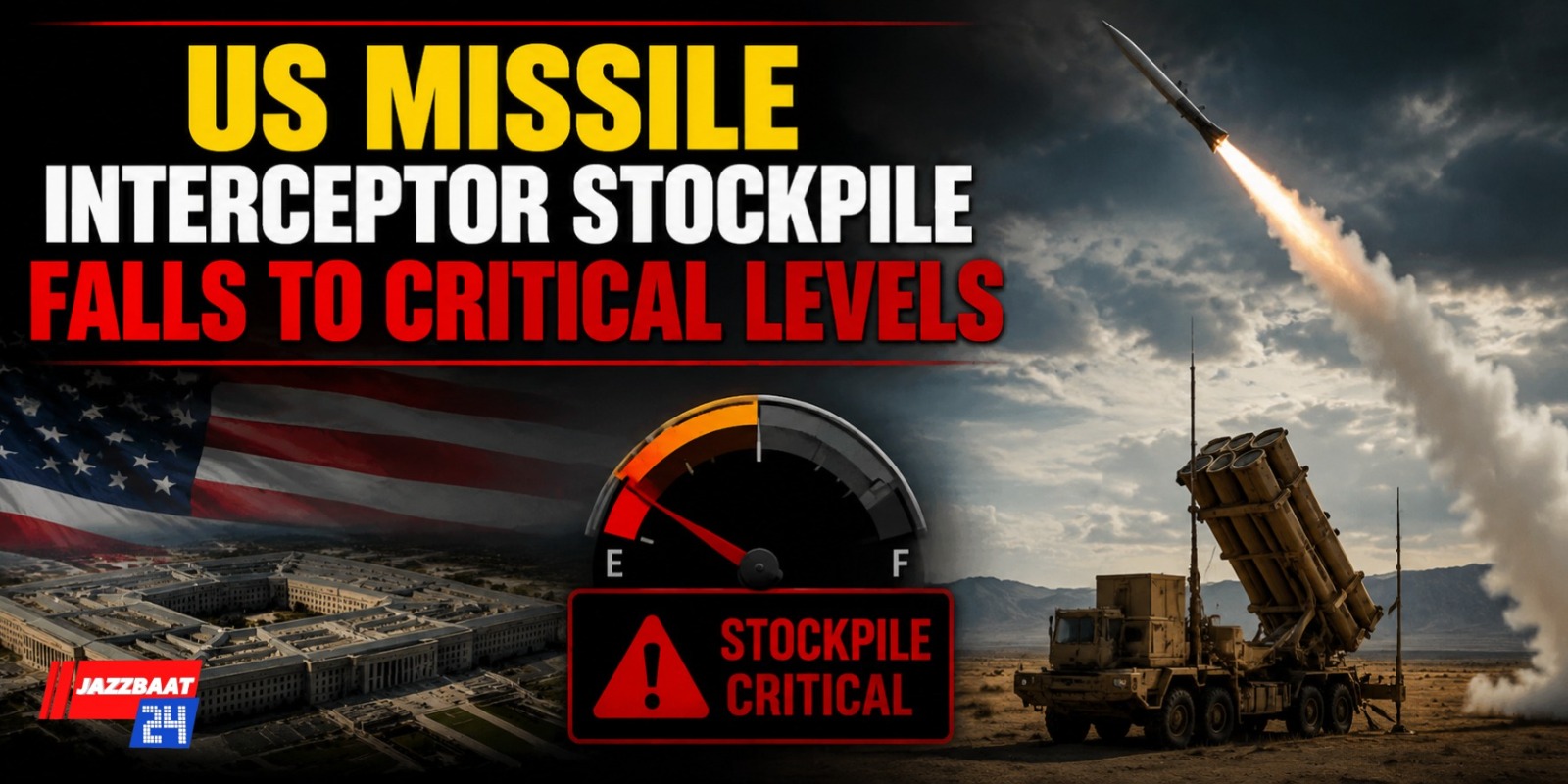
The US military has used up nearly 80% of its interceptors for the Terminal High Altitude Area Defense (THAAD) system during the ongoing conflict with Iran, raising fresh concerns over the Pentagon’s ability to sustain prolonged missile-defence operations.
According to people familiar with the latest inventory assessments, the US has also used roughly half of its Patriot interceptors since the conflict began. Senior military commanders have warned that stocks of several critical munitions are now “dangerously low”, highlighting growing pressure on the US defence industry to replenish supplies.
The depletion is particularly significant because THAAD and Patriot systems form an important part of the US and allied missile-defence network. THAAD is designed to intercept ballistic missiles at high altitudes, while Patriot systems provide defence against a range of incoming missiles and aircraft.
The scale of the depletion has raised questions about how quickly the United States can rebuild its reserves. Defence analysts have previously warned that interceptor production cannot rapidly match the rate at which missiles are being consumed during intensive combat. A CSIS assessment noted that air-defence interceptors were already in critically short supply and that the Iran conflict was accelerating their consumption.
The issue is not limited to THAAD. Reports indicate that other advanced interceptors, including SM-3 and SM-6 missiles, have also been heavily used. Patriot interceptors have similarly come under pressure, creating concerns about the availability of defensive weapons for other US commitments around the world.
The situation has wider implications for US allies. Washington supplies or supports missile-defence capabilities used by partners in Europe, the Middle East and the Indo-Pacific. A prolonged period of high US consumption could therefore affect the ability to provide additional interceptors to allies while simultaneously rebuilding American stocks.
The shortage also underlines a major challenge in modern warfare: defensive missiles are often far more expensive and difficult to manufacture than the drones and missiles they are designed to destroy. Sustained attacks can therefore force defenders to spend large amounts of high-value ammunition to counter comparatively cheaper threats.
The Pentagon has not publicly released detailed figures for its remaining interceptor inventory, and some estimates are based on sources familiar with classified or internal assessments. Analysts therefore caution that exact stockpile numbers should be treated carefully.
Still, the reported depletion has intensified debate over US weapons-production capacity and the need to expand manufacturing. With missile defence playing a central role in the Iran conflict, the Pentagon now faces the difficult task of maintaining operational readiness while rebuilding stocks that could take years to fully replenish.