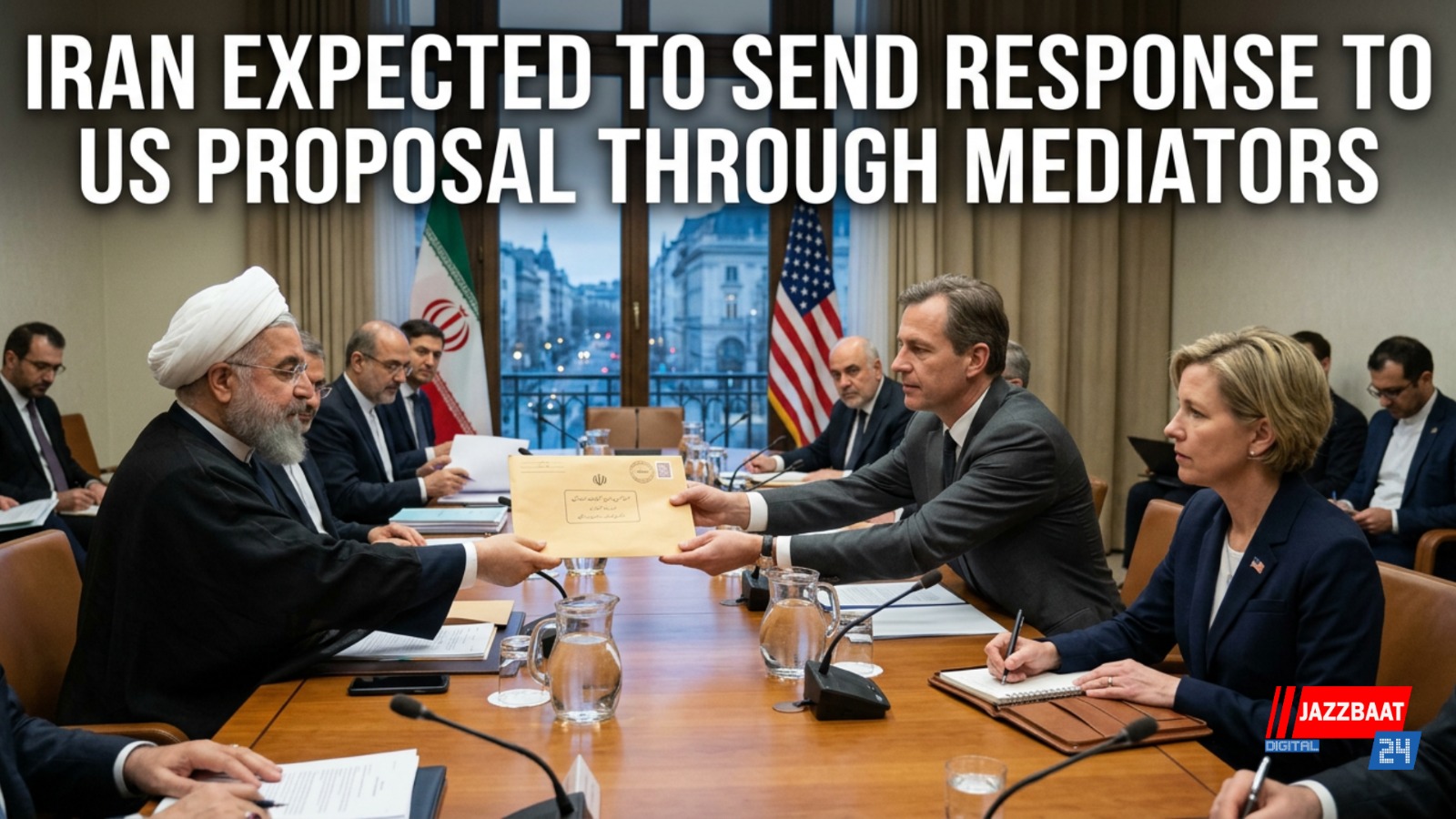
Iran is likely to submit its response on May 7 to a United States proposal aimed at easing the ongoing West Asia crisis, according to multiple international media reports citing regional and diplomatic sources. The response is expected to be conveyed through mediators as negotiations between Washington and Tehran continue behind the scenes.
The latest diplomatic developments come amid reports that both sides are moving closer to a preliminary understanding designed to reduce tensions in the region and prevent further escalation. According to reports by CNN and Axios, the proposed framework includes a “14-point memorandum of understanding” that could pave the way for an immediate ceasefire and a broader negotiation process.
Under the reported proposal, Iran would temporarily pause aspects of its nuclear enrichment activities, while the United States would consider partial sanctions relief and the release of frozen Iranian assets. The framework also reportedly seeks to ease tensions surrounding the strategically important Strait of Hormuz, which has remained at the center of the regional crisis.
Officials familiar with the discussions described the current phase as the most significant diplomatic progress since the conflict began earlier this year. However, major disagreements still remain unresolved, particularly over Iran’s nuclear programme, regional military influence and maritime security in the Gulf region.
US President Donald Trump recently expressed optimism over the talks, stating that “very good talks” had taken place over the previous 24 hours and suggesting that a deal could be possible soon. Iranian officials, meanwhile, have confirmed that Tehran is reviewing the proposal carefully before formally communicating its position.
The diplomacy is reportedly being facilitated through third-party channels, with Pakistan emerging as one of the primary intermediaries between the two sides. Sources said technical discussions could eventually be held in Islamabad or Geneva if both countries agree to move forward with the framework.
Despite cautious optimism, analysts believe the negotiations remain fragile and could still collapse if either side refuses to compromise on core strategic demands.