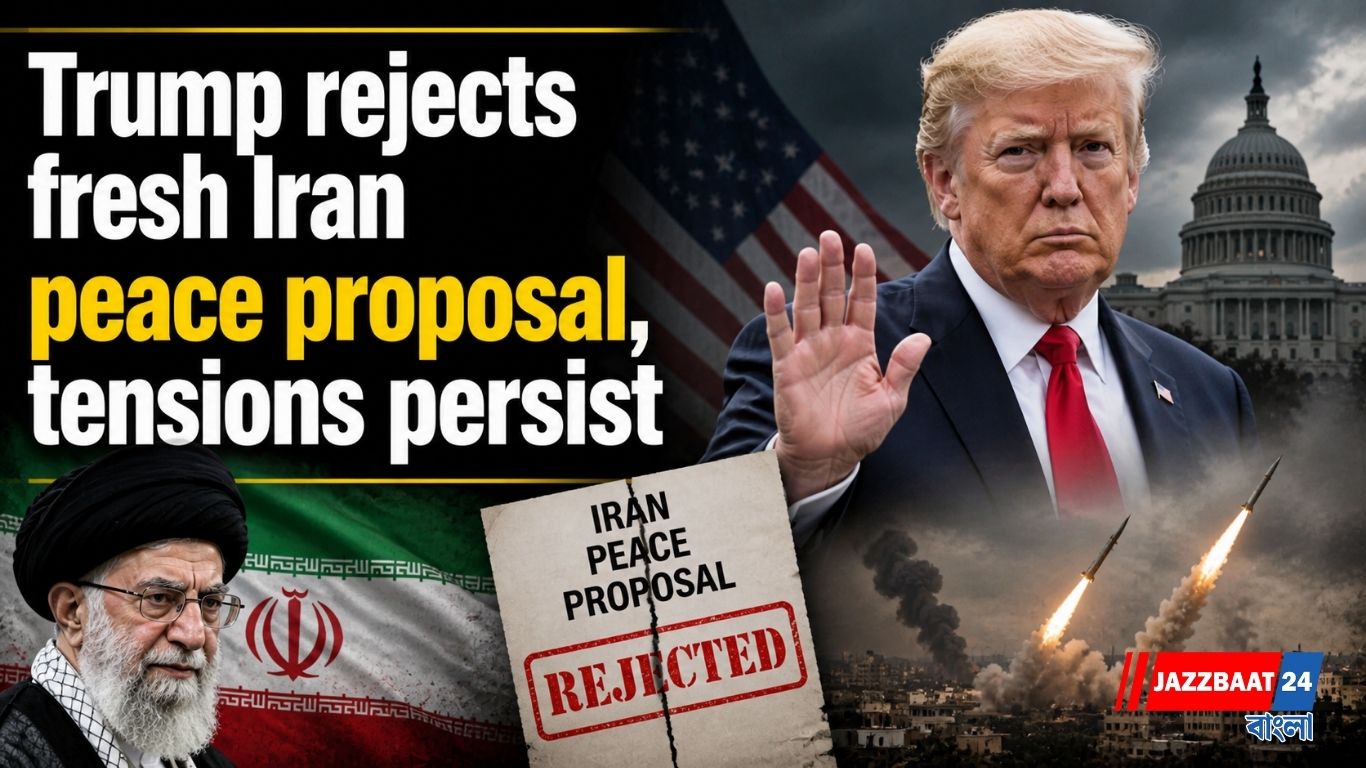
A fresh diplomatic push by Iran to end the ongoing conflict with the United States has failed to make immediate progress, with U.S. President Donald Trump stating he is “not satisfied” with Tehran’s latest proposal, keeping tensions high despite ongoing talks.
According to reports, Iran recently submitted a revised proposal aimed at breaking the deadlock in negotiations and ending hostilities that began earlier this year. The proposal was conveyed through intermediaries, including Pakistan, which has been playing a key role in facilitating dialogue between the two sides.
However, Trump dismissed the offer, saying it includes demands that the United States “cannot agree to.” He indicated that while diplomacy remains an option, Washington is not prepared to accept terms it views as unfavorable, particularly on critical issues like Iran’s nuclear programme and regional security concerns.
The disagreement highlights deep divisions between the two sides. Iran’s proposal reportedly includes steps such as easing tensions in the Strait of Hormuz and postponing detailed nuclear negotiations, while the U.S. insists that Tehran must address its nuclear ambitions upfront as part of any final deal.
Despite the stalemate, both sides have kept diplomatic channels open. Iranian officials have reiterated their willingness to continue negotiations, provided the U.S. reduces pressure and adopts a more flexible approach. At the same time, Trump has made it clear that military options remain on the table if talks fail, underscoring the fragile nature of the situation.
The conflict, which escalated in early 2026, has already had global repercussions, particularly on energy markets. Uncertainty over the outcome of negotiations and continued disruption around the Strait of Hormuz a crucial oil transit route has pushed crude oil prices higher and raised concerns about global supply stability.
Although a ceasefire has largely held since early April, experts warn that without a comprehensive agreement, the risk of renewed escalation remains significant. The current diplomatic impasse reflects broader strategic disagreements, with both Washington and Tehran unwilling to compromise on core demands.
As negotiations continue behind the scenes, the coming days are likely to be crucial in determining whether diplomacy can prevail or if the conflict risks sliding back toward confrontation.