

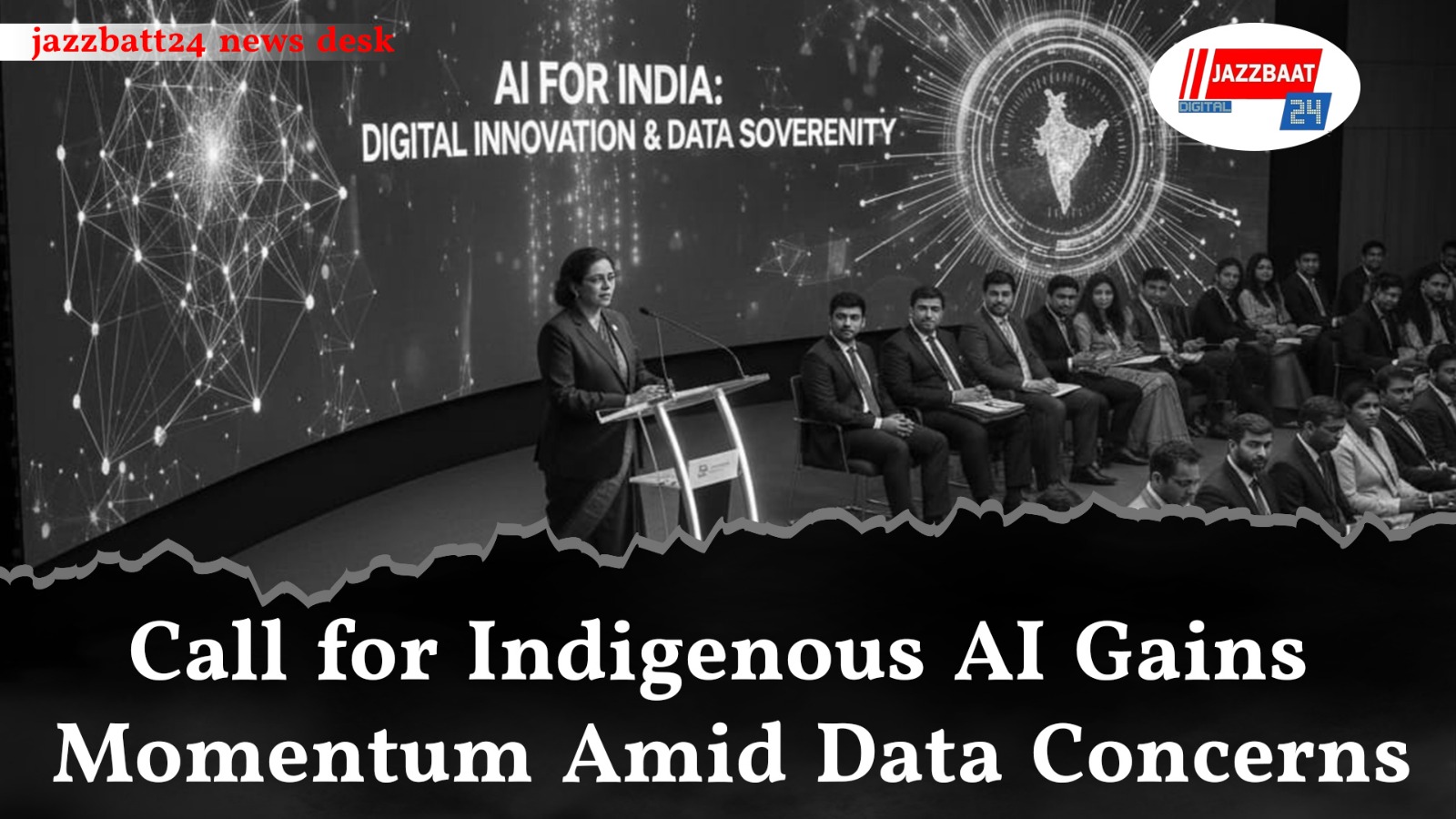
Concerns over India’s growing contribution to global artificial intelligence systems have intensified after Amitabh Kant highlighted that the country provides nearly 33 percent more data to platforms like OpenAI’s ChatGPT compared to the United States. The remarks have sparked renewed focus on the need for building strong domestic AI capabilities.
The statement emphasised that India’s vast digital population, rapid internet expansion, and widespread use of online services are generating enormous volumes of data. This data plays a critical role in training AI systems, helping improve their accuracy and performance. However, concerns have been raised that much of this value is being utilised by foreign technology companies rather than benefiting domestic innovation.
The push for indigenous AI development is closely linked to the country’s Digital Public Infrastructure initiatives, which have already transformed sectors such as digital payments, identity verification, and public service delivery. These platforms have created scalable and secure systems that can serve as a foundation for developing India-focused AI solutions tailored to local needs and languages.
The discussion also highlighted the strategic importance of data sovereignty, technological independence, and economic competitiveness. Developing domestic AI capabilities could help reduce dependence on foreign platforms while strengthening national security, innovation, and job creation in the technology sector.
Experts believe India has a unique advantage due to its large user base, diverse linguistic ecosystem, and strong digital infrastructure. By investing in local research, talent development, and technology ecosystems, the country can position itself as a global leader in artificial intelligence.
The remarks have added momentum to ongoing efforts to build homegrown AI systems, with policymakers, industry leaders, and technology experts increasingly emphasising the need to ensure that India’s data and digital strengths translate into long-term national technological leadership.