
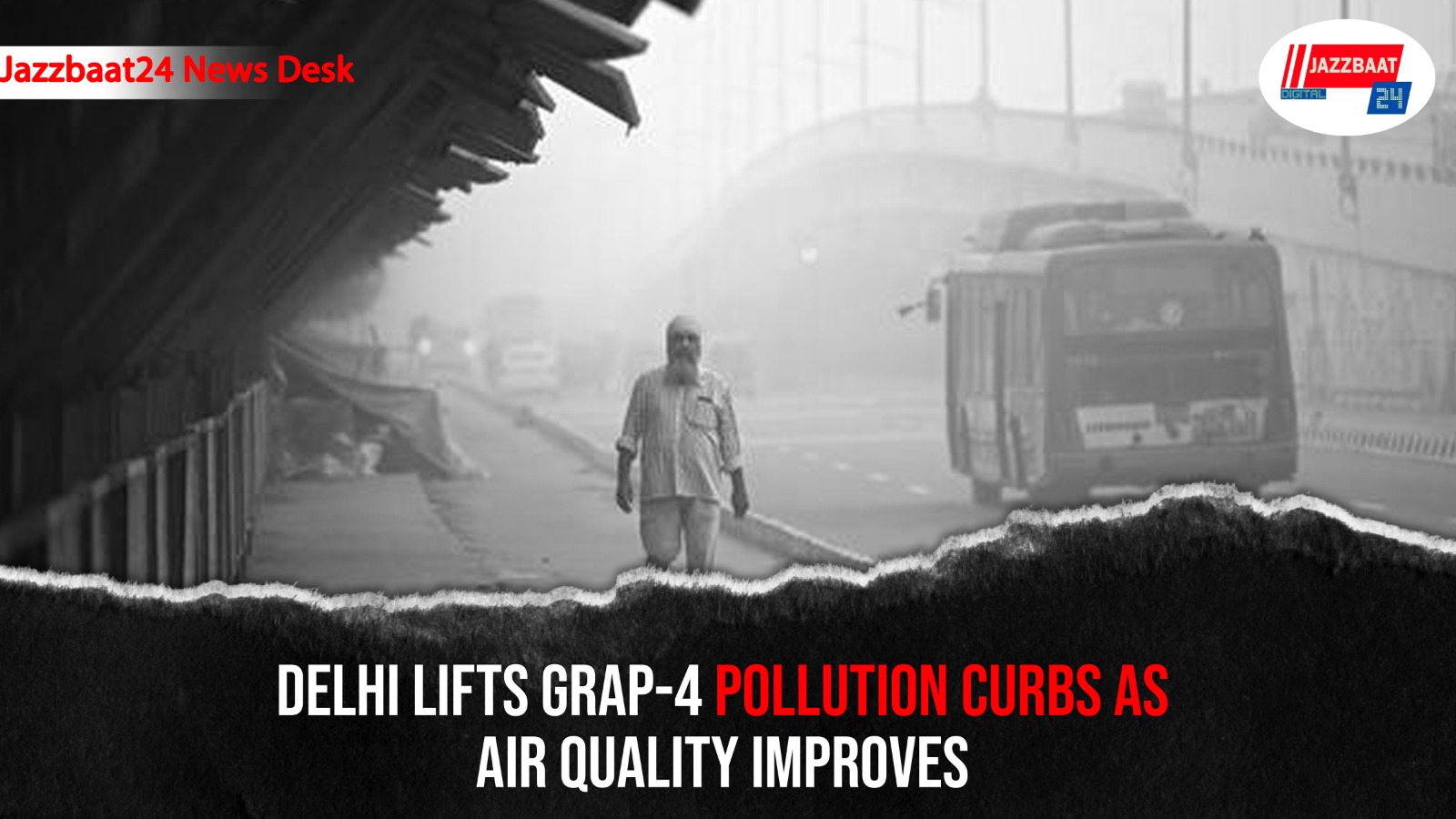
The Delhi government has lifted the GRAP-4 pollution restrictions a week after imposing them, following a notable improvement in the city’s air quality. The Graded Response Action Plan (GRAP) sub-committee confirmed in a statement that Delhi’s air quality index (AQI) had improved to 271, which falls under the 'poor' category. Officials attributed this improvement to favorable weather conditions and high winds over the past 24 hours.
GRAP-4 had been imposed when Delhi’s AQI breached 450, marking it as 'severe-plus', and included strict measures such as the temporary ban on older vehicles and hybrid-mode schooling for classes up to 11. With the easing of restrictions, older vehicles previously restricted under GRAP-4 can now operate in the city, though Bharat Stage (BS) 6 vehicles from outside Delhi are still permitted under GRAP-3 and -4 rules. Vehicles without a valid Pollution Under Control (PUC) certificate will continue to face restrictions at fuel stations.
Experts have highlighted vehicular emissions as a major contributor to Delhi’s winter pollution, estimating that vehicles account for nearly 40% of particulate matter in the NCR region. Authorities hope that these measures will continue to curb pollution while ensuring public safety.
However, the Commission for Air Quality Management (CAQM) has warned that air quality could worsen in the coming days due to slower winds, as per forecasts from the Indian Meteorological Department (IMD) and the Indian Institute of Tropical Meteorology (IITM). While GRAP-4 restrictions have been lifted, GRAP-1 to -3 measures will remain in effect to manage pollution levels.
The easing of GRAP-4 comes as a relief for Delhi residents, particularly commuters and students affected by travel and school restrictions, but authorities have urged continued vigilance to prevent another spike in toxic air levels.