

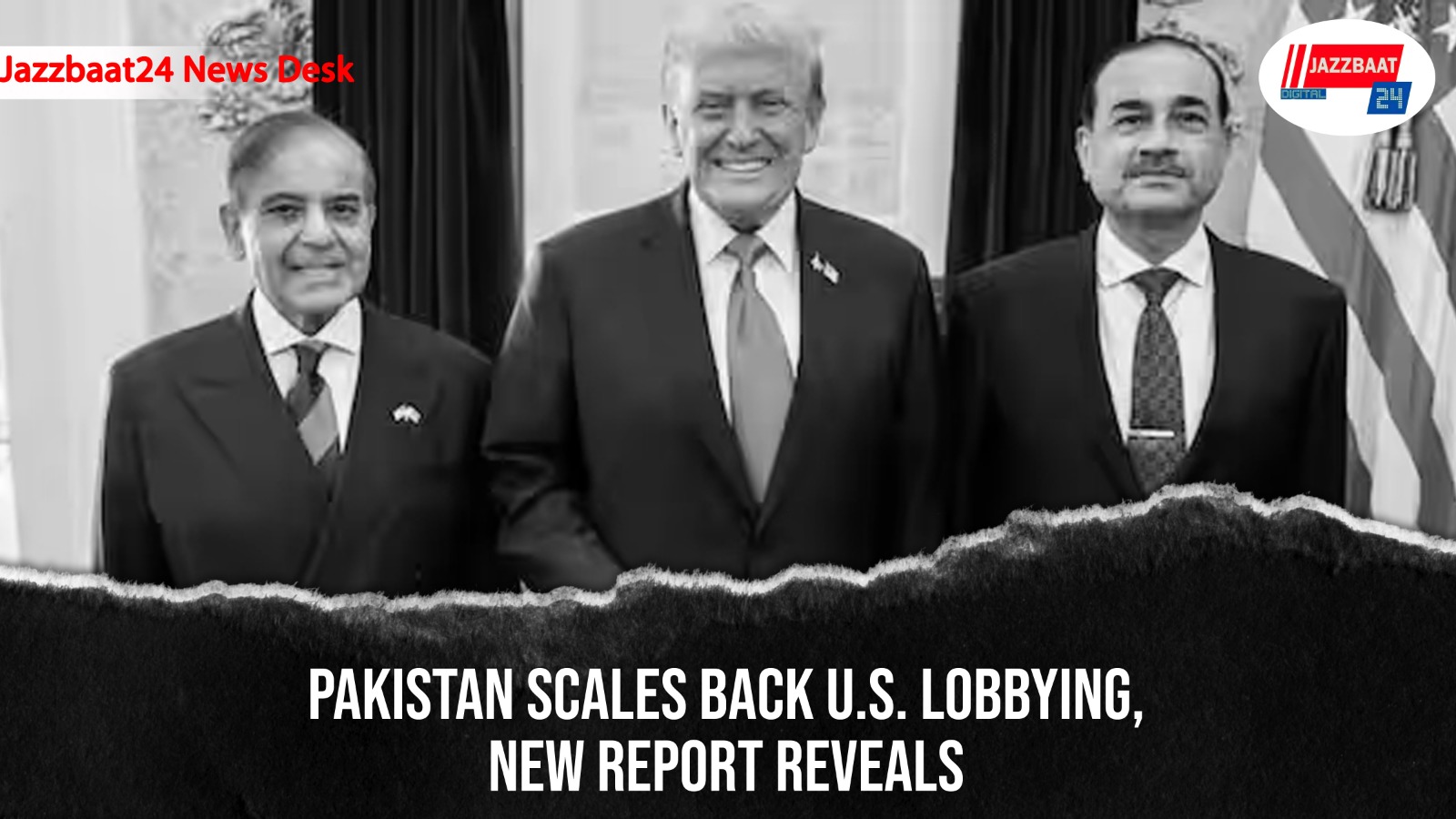
In a noteworthy shift in foreign engagement, Pakistan has significantly reduced its lobbying efforts in the United States after previously outspending India by a substantial margin in Washington. According to recent analyses, Pakistan’s government scaled back its spending on U.S. lobbying initiatives despite earlier efforts that far exceeded India’s outreach.
This recalibration comes as global geopolitical priorities shift and domestic considerations take precedence within Pakistan’s strategic planning. Earlier this year, Pakistan’s lobbying expenditure had been eye-catching a record figure that drew attention for its scale and ambition. However, the latest data suggests that Islamabad has dialled back these investments, realigning diplomatic focus and financial commitments.
Experts say such changes could reflect broader macroeconomic pressures and an attempt to balance foreign policy influence with fiscal responsibility. Critics of heavy lobbying spending often argue that resources might be better directed toward domestic development or regional cooperation efforts instead of overseas influence campaigns.
While subtle in immediate impact, this shift in diplomatic spending patterns signals evolving priorities within Pakistan’s external relations strategy. Observers in think tanks and international policy circles will likely continue studying how these adjustments affect Pakistan’s diplomatic footprint, especially in forums like the United Nations and bilateral negotiations with major powers.