
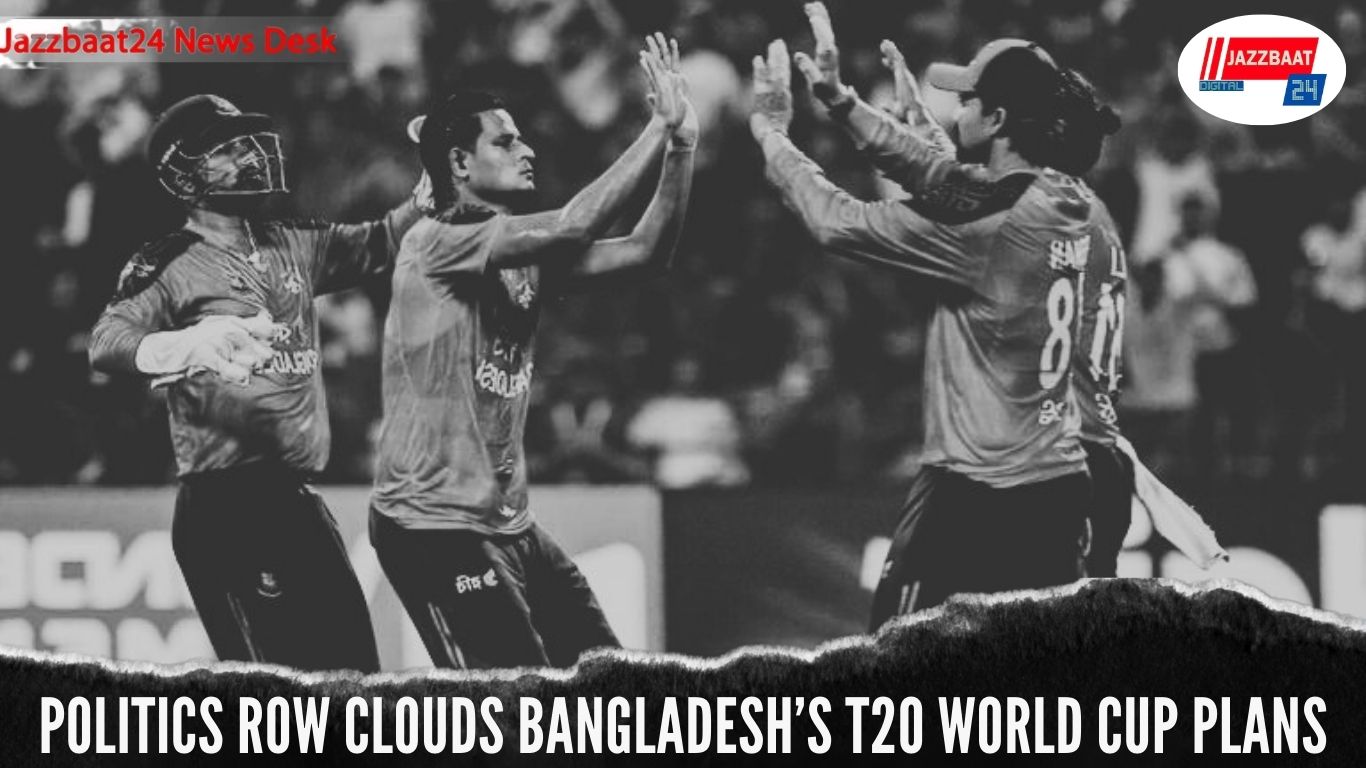
A fresh controversy has erupted ahead of the ICC Men’s T20 World Cup 2026 after Bangladesh expressed reluctance to play their scheduled matches in India, citing security concerns. The issue has drawn sharp criticism from former India cricketer Manoj Tiwary, who alleged that political interference, rather than cricketing reasons, is driving the decision.
Bangladesh had approached the International Cricket Council (ICC) requesting that their matches be shifted out of India. However, the ICC rejected the request, maintaining that adequate security arrangements are in place and that the tournament schedule will remain unchanged. India and Sri Lanka are co-hosting the World Cup, which begins on February 7.
Speaking to news agency ANI, Manoj Tiwary questioned the logic behind Bangladesh’s safety concerns. He pointed out that Bangladesh’s former Prime Minister Sheikh Hasina is currently residing safely in India under government protection. According to Tiwary, if a former head of government can be provided security, then international cricketers should also feel safe.
Tiwary further claimed that the decision did not appear to be taken independently by the Bangladesh Cricket Board (BCB). He suggested that the country’s Sports Ministry played a key role, highlighting what he described as growing political involvement in cricket administration. “When politics enters sports, such situations arise, and unfortunately, players suffer,” he said.
The controversy also comes against the backdrop of strained diplomatic relations between India and Bangladesh, particularly over reports of attacks on minorities in Bangladesh. Earlier, Bangladeshi pacer Mustafizur Rahman was released from his IPL 2026 contract with Kolkata Knight Riders amid related concerns.
As per the official schedule, Bangladesh are set to begin their campaign against West Indies at Eden Gardens, Kolkata, on February 7. They will also face Italy and England in Kolkata before traveling to Mumbai to play Nepal.
While the ICC has made it clear that the fixtures will not be shifted, the situation highlights how political tensions can spill over into international sport, potentially impacting players and the spirit of global competition.