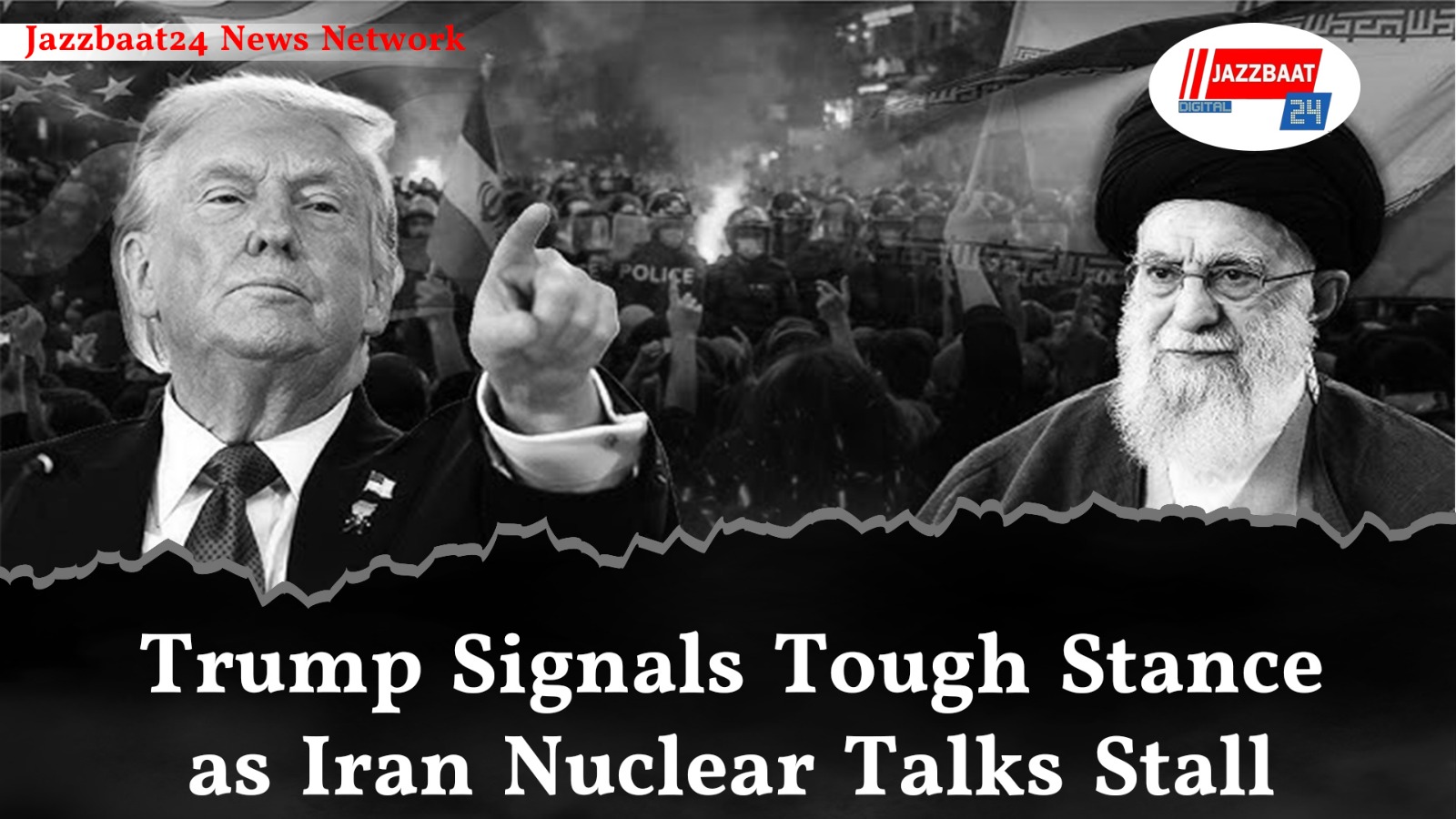
Donald Trump has issued stark remarks on the ongoing nuclear negotiations with Iran, saying the United States faces a “big decision” on how to proceed as diplomacy struggles to break the deadlock. His comments underscore growing tensions over Iran’s nuclear programme and the possibility of military action if talks fail.
Speaking at an event in Texas, Trump described Iran as “very difficult” and “very dangerous” while acknowledging the challenges facing negotiators. “We have a big decision to make not easy,” he said, referring to Washington’s options ranging from continued diplomatic pressure to potential military measures if a meaningful agreement cannot be reached.
The U.S. president stressed that any deal must be “meaningful” and meet core U.S. demands, including curbs on uranium enrichment and assurances that Iran will not develop nuclear weapons. Trump repeated his dissatisfaction with the pace of talks, saying he was “not exactly happy” with how negotiations have unfolded and that Iran’s approach has fallen short of Washington’s expectations.
The remarks come against the backdrop of several rounds of talks in Geneva, where U.S. and Iranian officials, along with international mediators, have sought to bridge key differences. Despite diplomatic efforts and pressure from mediators, including neighbouring Oman, the two sides remain far apart on critical issues such as nuclear enrichment limits, inspection regimes, and sanctions relief.
Trump reiterated that while he prefers a peaceful diplomatic outcome, he has not ruled out military options. “I’d rather do it the peaceful way,” he added, but emphasised that Iran’s negotiating stance and recent history of regional hostility increase the stakes in decision-making.
In recent weeks, the U.S. has bolstered its military posture in the Middle East, deploying additional forces and naval assets to deter potential escalations. Tehran has warned that any strike would prompt retaliatory actions, raising concerns about the wider regional impact if diplomacy falters. Several foreign governments have advised their citizens to leave parts of the region amid growing uncertainty.
International observers note that the outcome of these talks could significantly influence regional stability and global energy markets. A successful agreement would ease one of the most persistent geopolitical flashpoints, but a failure might push the U.S. closer to confrontation. Trump’s comments reflect both the high stakes and the difficulty in reconciling contrasting positions.
Officials have indicated that further talks are expected, with negotiators planning additional meetings to explore paths toward resolution. While the U.S. continues to press for strict nuclear curbs, Iranian leaders maintain that their nuclear activities are peaceful and resist demands to abandon enrichment; this stalemate remains central to the diplomatic challenge ahead.