
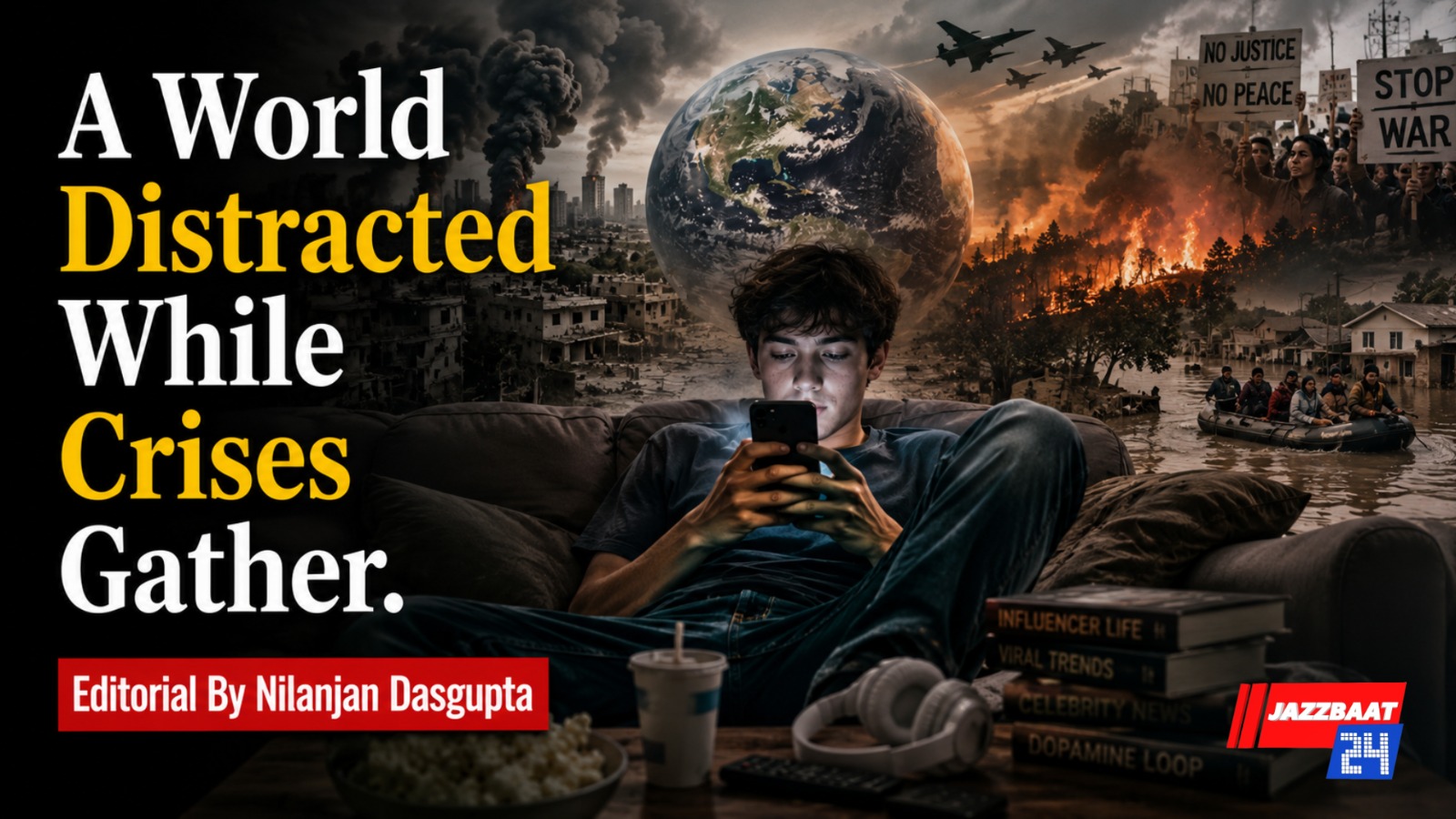
The world today feels strangely familiar. Rising disease outbreaks, inflation shocks, slowing economies, currency instability and geopolitical tensions are all unfolding at the same time yet global public attention seems increasingly consumed by religion-based politics, cultural battles and ideological divisions. The warning signs of another global crisis are visible, but the urgency to confront them appears dangerously absent.
The latest concern comes from the growing international attention around the Andes hantavirus outbreak linked to a cruise ship. The World Health Organization and the CDC have confirmed multiple infections across several countries, including deaths, while health agencies continue monitoring exposed passengers. Though experts say the virus is not spreading like COVID-19, the outbreak has revived fears about how quickly infectious diseases can cross borders in an interconnected world.
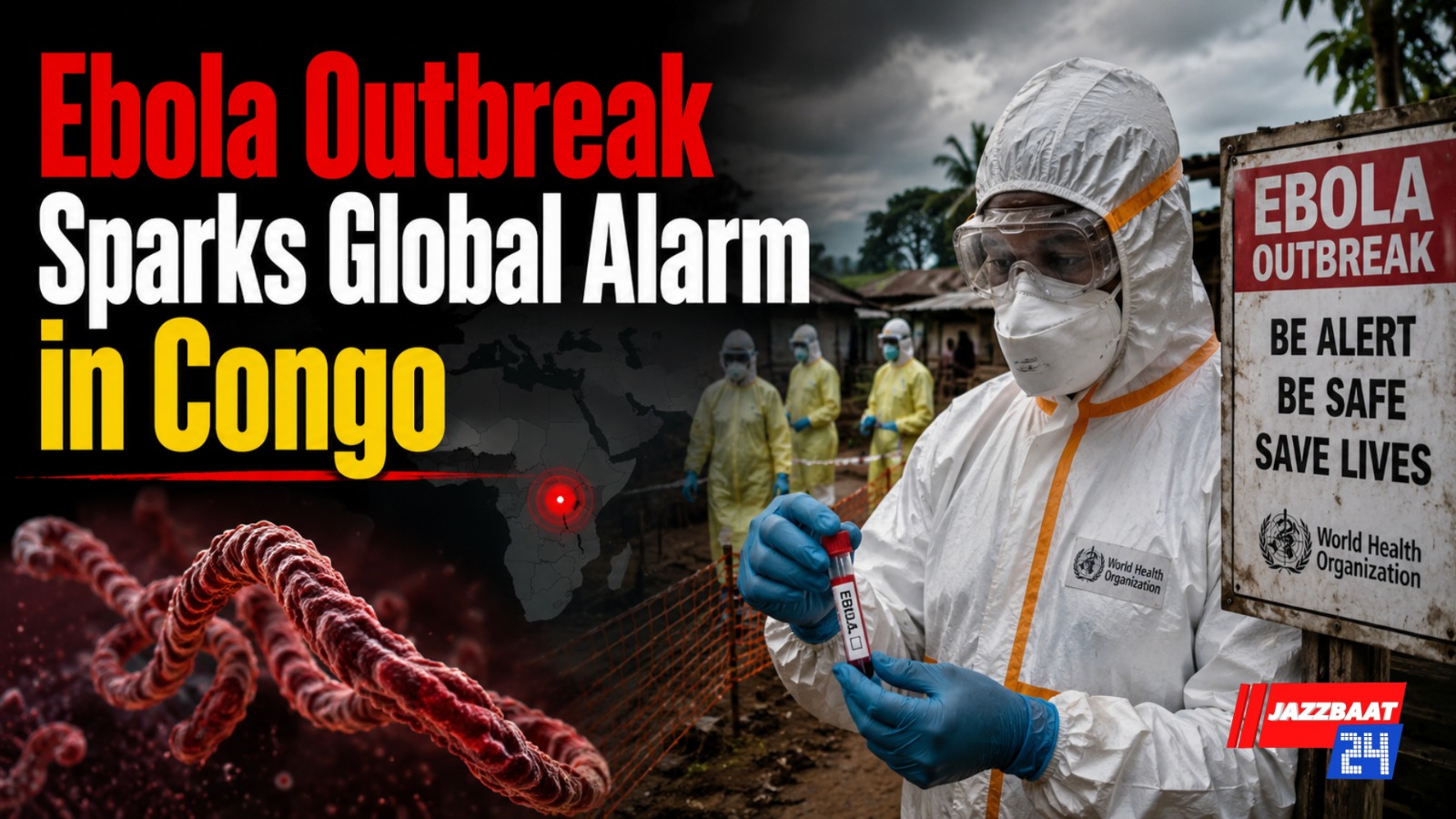
Health experts are warning that outbreaks such as hantavirus, Ebola and other emerging infections are becoming more frequent due to climate change, environmental disruption and weak global preparedness systems. A recent report highlighted that governments are still underprepared despite the painful lessons of the pandemic years.
At the same time, the global economy is entering another period of uncertainty. The International Monetary Fund has warned that global growth is slowing while inflationary pressures remain high due to wars, energy disruptions and financial instability. Oil prices have surged again because of Middle East tensions, pushing countries already struggling with debt and unemployment into deeper economic stress.
India is feeling those pressures directly. The rupee has repeatedly touched record lows against the US dollar in recent weeks, driven by rising crude oil imports, capital outflows and global uncertainty. Analysts warn that a weak rupee could increase the cost of imports, fuel inflation further and affect ordinary households through higher prices of essentials.
Yet despite these interconnected threats, the global political discourse often appears focused elsewhere. Across many countries, elections and public debates are increasingly dominated by religious identity, nationalism and social polarization. Instead of discussing healthcare preparedness, economic resilience or scientific cooperation, political narratives are frequently shaped around division and emotional mobilization.
This is not merely a political observation; it is a structural risk. History shows that societies become more vulnerable during periods when governments prioritize ideological battles over practical governance. Economic instability combined with social polarization creates fertile ground for misinformation, panic and distrust in institutions. The COVID-19 pandemic already exposed how dangerous such divisions can become when public health measures turn into political arguments.
Another concern is the growing fatigue among ordinary citizens. After years of pandemics, wars and inflation, many people have become emotionally desensitized to crisis warnings. Constant exposure to alarming news has normalized instability. What once would have triggered global emergency discussions is now often treated as just another headline in an endless news cycle.
But ignoring warning signs does not make them disappear. Disease outbreaks still require global coordination. Inflation still affects livelihoods. Currency depreciation still weakens economies. Climate-linked disruptions still threaten food and healthcare systems. These problems do not pause because political discourse is focused elsewhere.
The world may not yet be heading toward a full-scale global collapse, but it is undeniably entering a fragile phase where multiple crises are overlapping simultaneously. What makes this moment dangerous is not only the crises themselves, but the lack of collective seriousness in addressing them.
If governments and societies continue prioritizing division over preparedness, the next major global emergency may arrive before the world is ready to respond.