
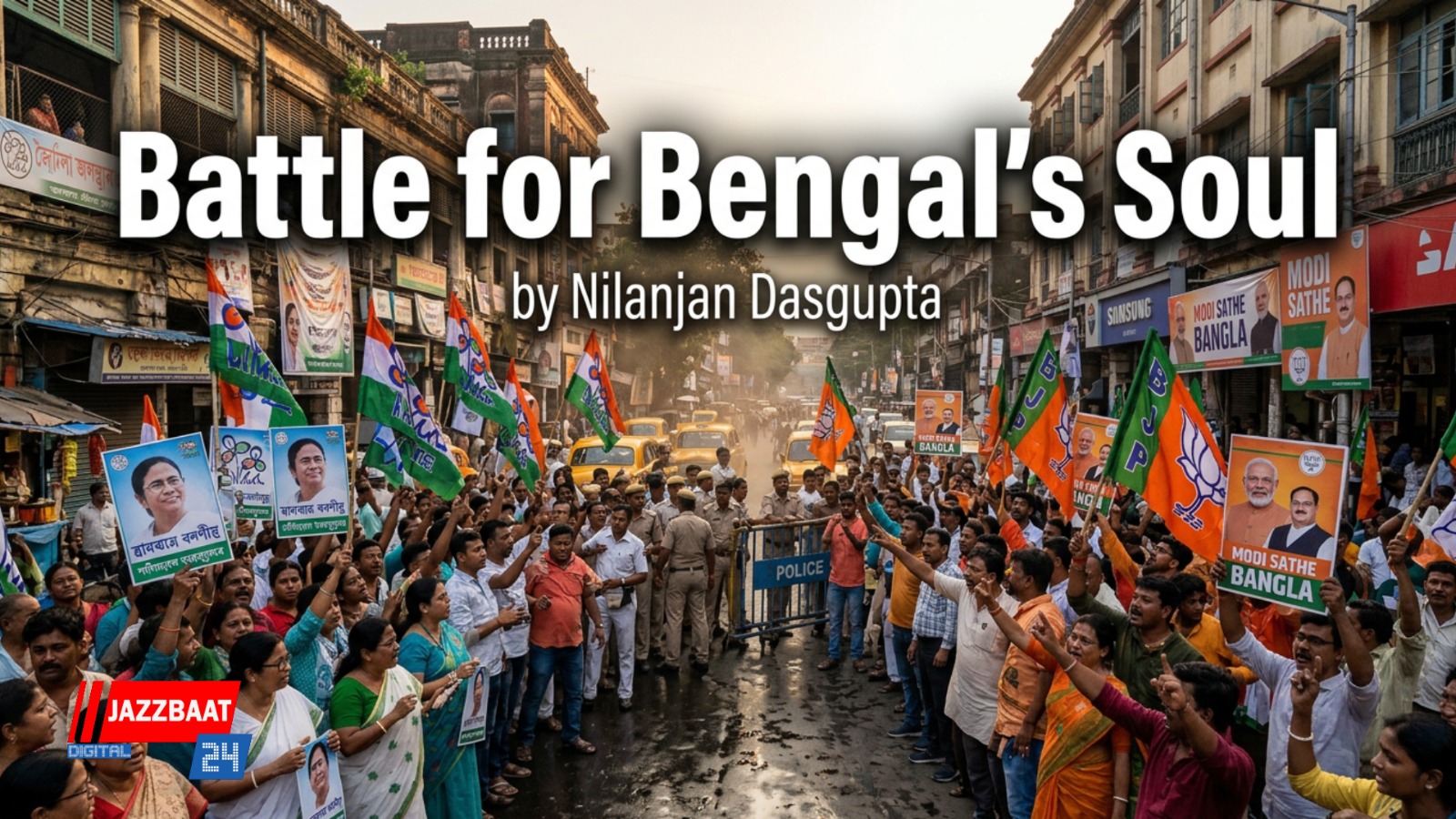
West Bengal stands at a decisive political crossroads as the state marches toward Phase 2 of the 2026 Assembly elections. What is unfolding is no ordinary electoral contest, it is a high-stakes confrontation between the Trinamool Congress (TMC) and the Bharatiya Janata Party (BJP), with the Centre–state dynamic adding an extra layer of intensity. The question now is not merely who will win, but whether Bengal’s long-standing political character is on the verge of transformation.
The first phase has already set the tone. With a record voter turnout exceeding 90 percent, the electorate has demonstrated an unusual degree of engagement and urgency. This massive participation reflects both heightened political awareness and deep polarisation. High turnout in Bengal has historically been a double-edged sword, it signals democratic vibrancy, but also hints at intense mobilisation by rival camps.
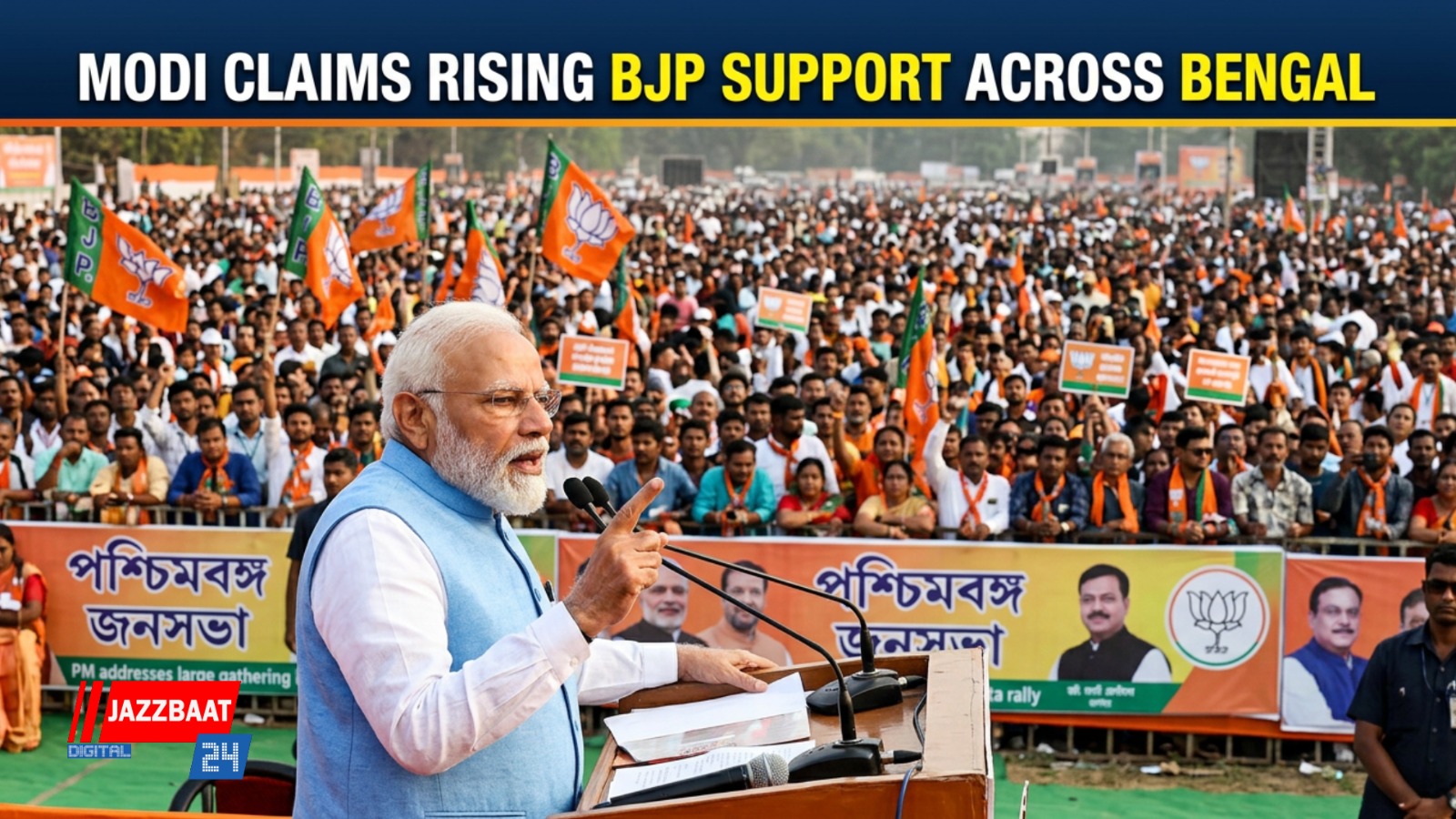
Sensing an opportunity, the BJP has projected remarkable confidence. Prime Minister Narendra Modi has described the first phase as evidence of a “wave of change,” suggesting that the party believes it is on the cusp of a historic breakthrough in a state where it has long struggled for dominance. Senior leaders have gone even further, predicting a clear majority and positioning the BJP as the vehicle of governance reform, law-and-order restoration, and economic revival.
This confidence is not without context. Over the past decade, the BJP has steadily expanded its footprint in Bengal, capitalising on anti-incumbency sentiments, allegations of corruption, and concerns over governance. In the current campaign, it has sharpened its attack on issues such as “syndicate raj,” infiltration, and women’s safety, while promising investment-friendly policies and administrative overhaul.
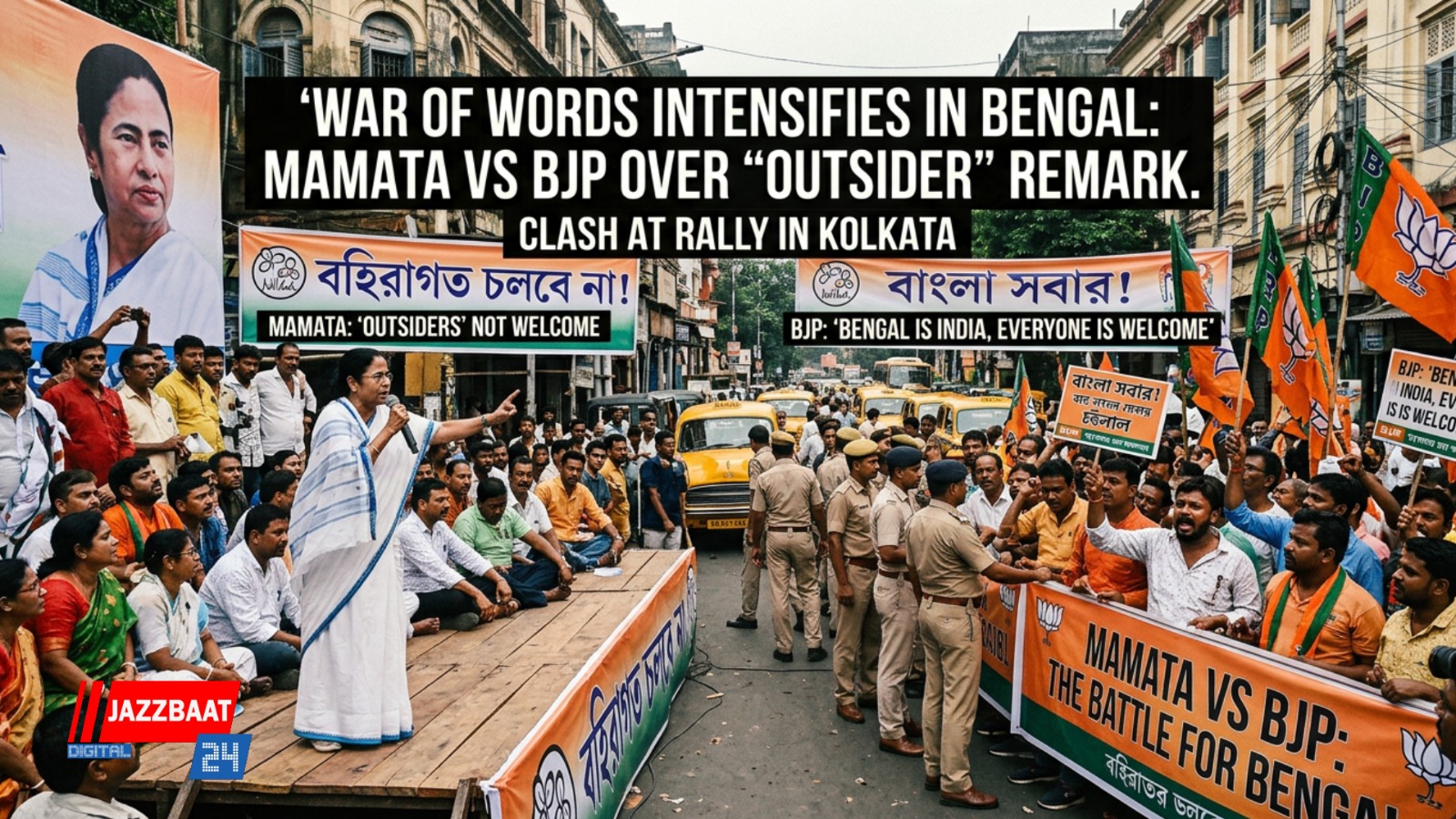
Yet, to interpret BJP’s confidence as inevitability would be premature. Mamata Banerjee remains a formidable political force, rooted deeply in Bengal’s socio-cultural fabric. Her campaign has shifted into a combative mode, framing the election as a battle to protect Bengal’s identity and autonomy against what she portrays as external interference. Her rhetoric has grown sharper, directly challenging the BJP’s national leadership and even projecting a broader opposition unity beyond Bengal.
The political discourse has, consequently, turned intensely personal and symbolic. From debates over cultural identity to jibes over food habits and campaign optics, the narrative is no longer confined to policy differences. Instead, it reflects a deeper ideological contest, between regional assertion and national consolidation.
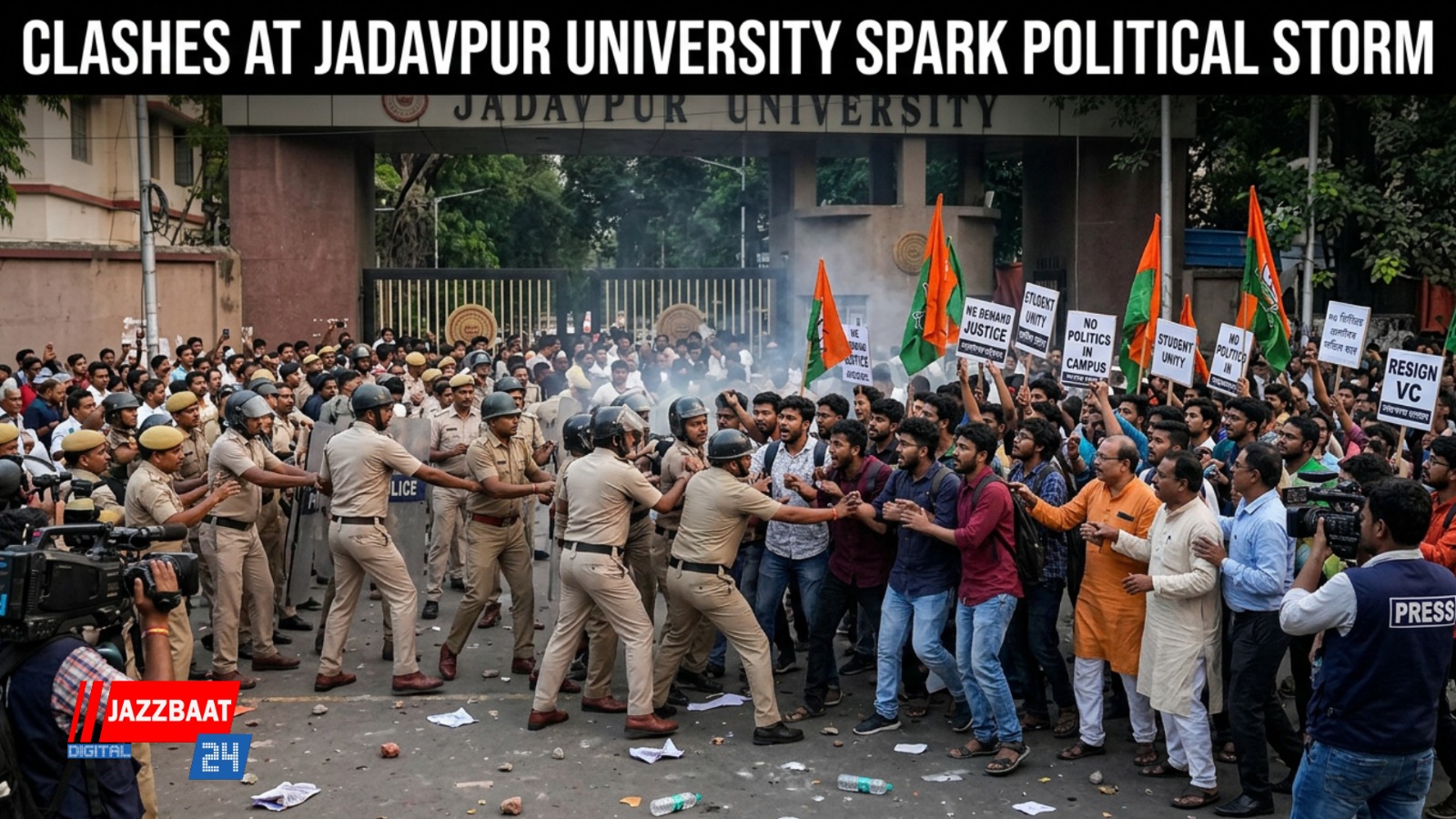
Complicating matters further is the recurring spectre of electoral violence and administrative tension. Reports of clashes, arrests, and allegations of intimidation during Phase 1 underscore the fragile nature of Bengal’s electoral environment. The heavy deployment of central forces and the ongoing friction between state authorities and central agencies have only intensified the perception of a state on edge.
Phase 2, therefore, assumes critical importance. It is not merely another round of voting; it is a referendum on competing narratives. For the BJP, it is an opportunity to convert momentum into a decisive mandate. For the TMC, it is a test of resilience and organisational depth.
What makes this election particularly consequential is its broader implication. A BJP victory would signify a tectonic shift in Bengal’s political landscape, potentially ending decades of regional party dominance. Conversely, a TMC victory would reaffirm the enduring strength of regional identity politics in the face of a powerful national challenger.
Ultimately, Bengal’s electorate holds the key. The unprecedented turnout suggests that voters are acutely aware of the stakes. Whether this energy translates into continuity or change will define not just the state’s immediate future, but also the evolving balance between regional and national politics in India.
As Phase 2 approaches, one thing is certain: West Bengal is not merely voting, it is negotiating its political destiny.