
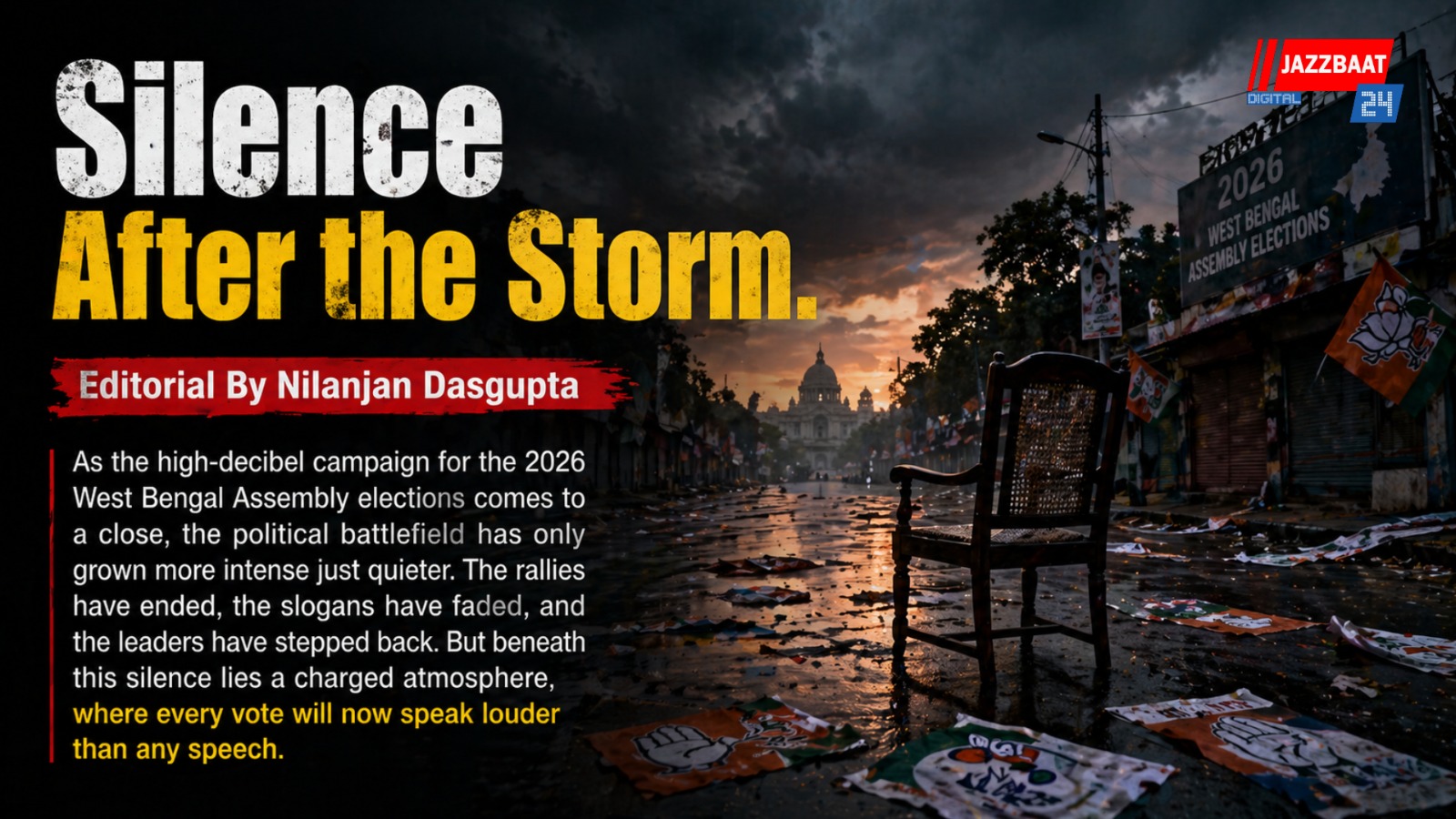
As the high-decibel campaign for the 2026 West Bengal Assembly elections comes to a close, the political battlefield has only grown more intense just quieter. The rallies have ended, the slogans have faded, and the leaders have stepped back. But beneath this silence lies a charged atmosphere, where every vote will now speak louder than any speech.
The final phase of polling, covering 142 constituencies, is set to take place on April 29, marking the culmination of a fiercely contested election that has once again placed West Bengal at the centre of India’s political discourse. With over 32 million voters eligible in this phase alone, the stakes could not be higher.
This election has been defined by a sharp and relentless battle between the ruling Trinamool Congress (TMC) and the Bharatiya Janata Party (BJP), with both sides pushing aggressive narratives. The TMC, led by Chief Minister Mamata Banerjee, has leaned heavily on regional identity, welfare schemes, and a strong Bengali cultural connection. On the other hand, the BJP has framed the election as a call for change focusing on governance, corruption allegations, and promises of development under its “Viksito Bangla” vision.
The campaign trail itself reflected this clash of ideologies. From symbolic gestures like “jhalmuri politics” to intense accusations over corruption and governance failures, both camps sought to dominate not just the political narrative but also the cultural imagination of Bengal.
Yet, beyond the rhetoric, this election has also been marked by tension and controversy. Reports of clashes between party workers, instances of violence, and even the recovery of crude bombs in certain areas have raised concerns about law and order. Security has been significantly tightened, with central forces deployed across sensitive regions to ensure peaceful voting.
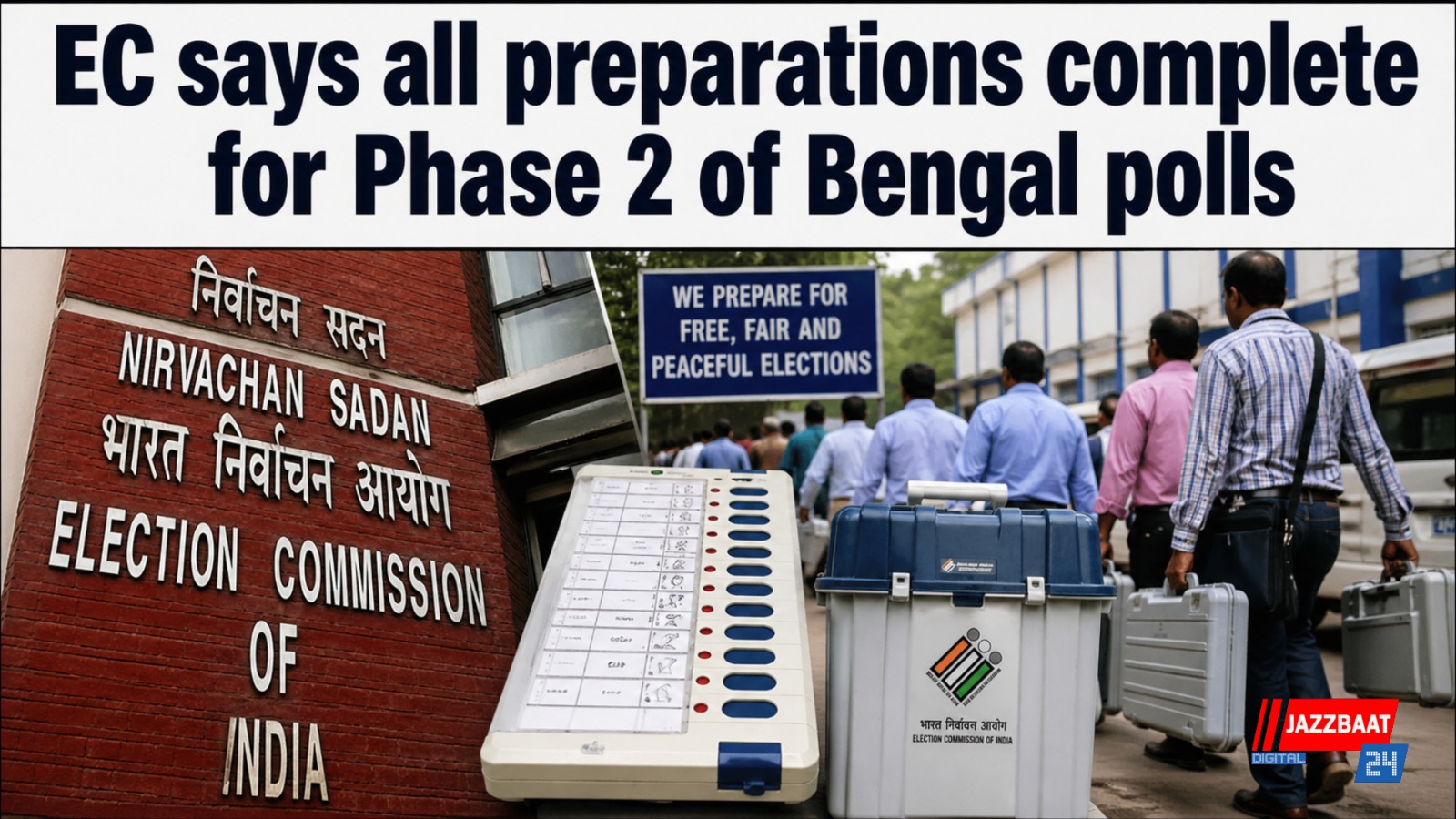
Adding another layer of complexity is the controversy surrounding voter rolls and alleged exclusions, which has sparked debate over electoral fairness. Questions around the deletion of names from voter lists and administrative actions by the Election Commission have further heightened the political temperature.
Despite these challenges, voter enthusiasm remains remarkably high. The first phase recorded a turnout of over 93%, indicating strong public engagement and suggesting that the electorate is deeply invested in the outcome.
So, what lies ahead?
The immediate focus will be on the conduct of polling whether it remains peaceful, transparent, and inclusive. In a state where elections often carry emotional and political intensity, maintaining order will be crucial.
Beyond polling day, the attention will shift to counting day on May 4, when the results will determine whether Mamata Banerjee secures another term or if the BJP manages a historic breakthrough in a state long dominated by regional forces.
But the implications go far beyond who forms the government.
A TMC victory would reinforce the strength of regional parties and Mamata Banerjee’s position as a key national opposition figure. A BJP win, on the other hand, would mark a significant political shift in eastern India, expanding the party’s footprint and reshaping national power equations.
There is also the question of social cohesion. The campaign has exposed deep political polarisation, and the post-election period will test whether the state can move beyond divisions and focus on governance and development.
Economically and administratively, the next government whoever it may be will face pressing challenges: unemployment, industrial growth, infrastructure gaps, and maintaining law and order. The expectations of voters, heightened by weeks of promises, will demand swift and visible action.
In many ways, the end of campaigning is not a conclusion but a transition from performance to accountability, from promises to proof.
West Bengal now stands at a decisive crossroads. The noise has ended, but the real battle of ballots, legitimacy, and the future direction of the state has just begun.