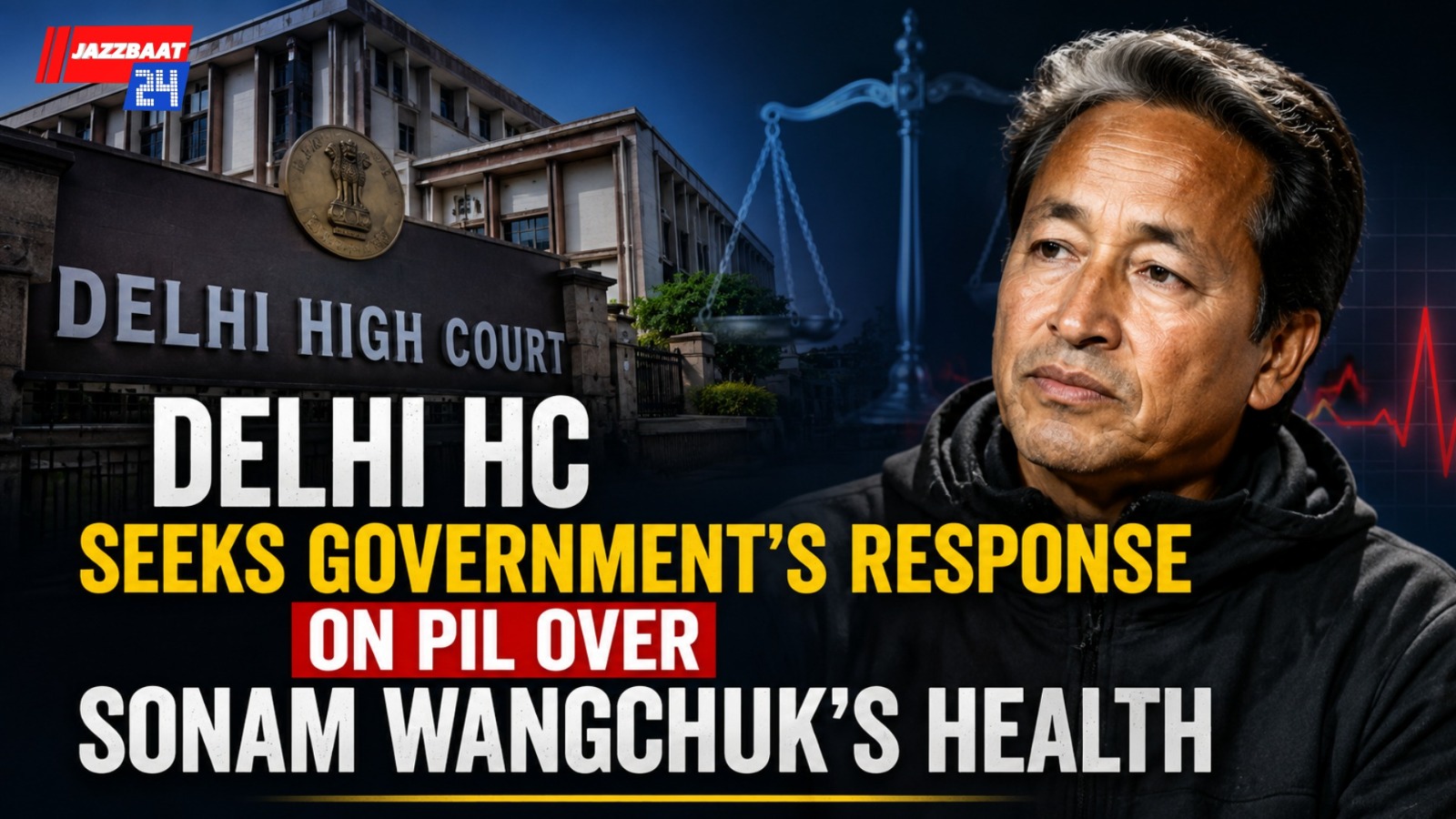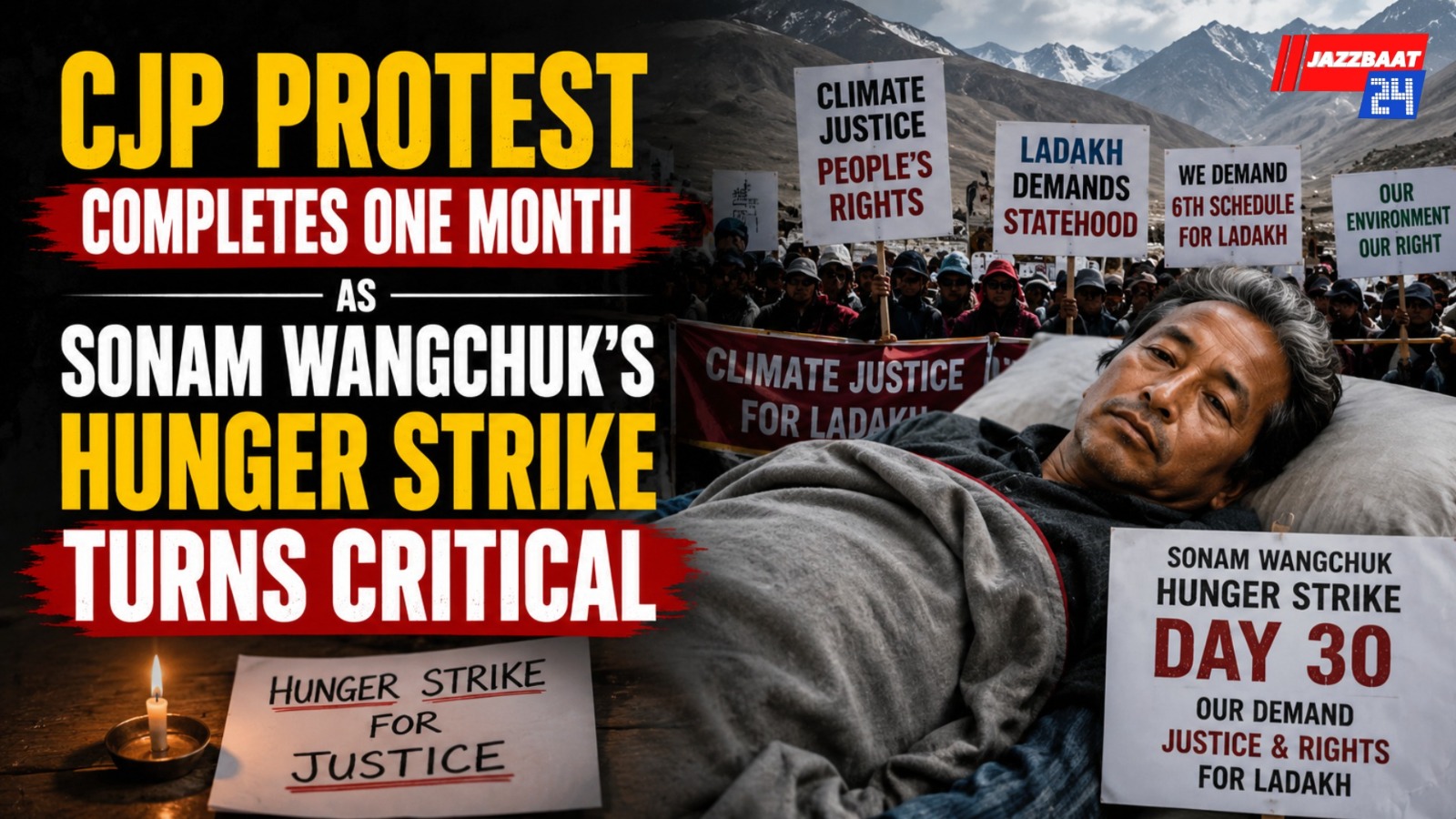
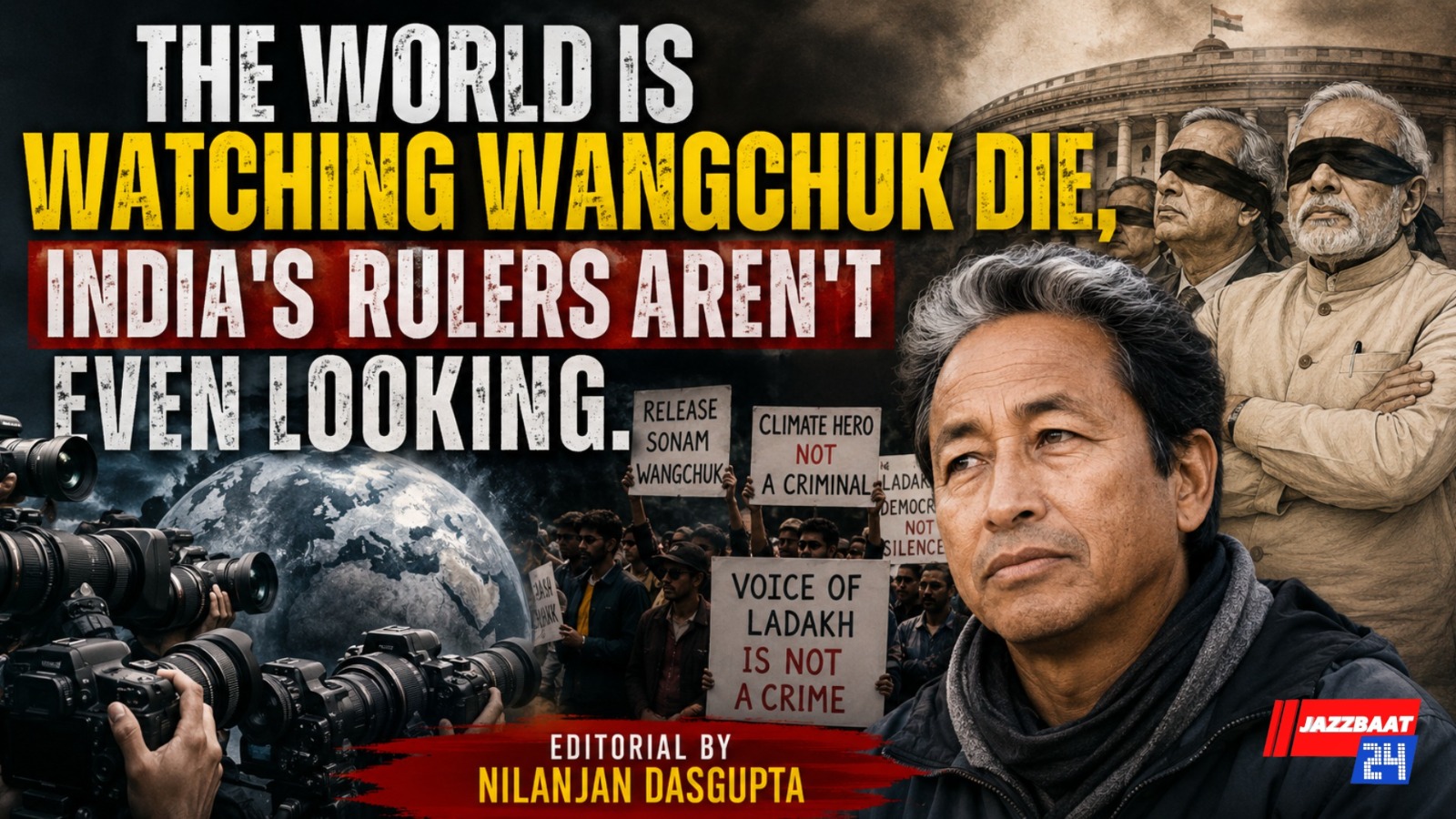
As Sonam Wangchuk's indefinite hunger strike enters its 18th day at Jantar Mantar in New Delhi, the silence surrounding his protest is becoming as significant as the protest itself. The engineer, education reformer, and Ramon Magsaysay Award recipient has become one of India's most recognizable public intellectuals over the past decade. Yet, despite his national and international stature, there has been little visible engagement from the country's top political leadership as his health continues to decline.
Wangchuk is fasting in solidarity with the ongoing protest led by the Citizens for Justice and Peace (CJP), which is demanding the resignation of Union Education Minister Dharmendra Pradhan over the NEET-UG examination paper leak controversy. The examination scandal triggered nationwide outrage earlier this year, with students, parents, and opposition parties questioning the integrity of one of India's most important competitive entrance examinations. For Wangchuk, the issue goes beyond a single examination. He argues that public trust in India's education system depends on transparency, accountability, and the willingness of those in power to accept responsibility when failures occur.
Medical reports shared by those close to the protest indicate that Wangchuk has lost more than eight kilograms since beginning his fast. His physical condition has reportedly weakened considerably, with doctors monitoring his blood pressure, heart rate, and other vital parameters closely. Supporters at the protest site say his energy levels have dropped significantly, yet he has continued to address visitors and reiterate his demands whenever his health allows.
The protest has drawn support from students, civil society groups, academics, and activists who believe the government should engage in dialogue rather than ignore the demonstration. Many argue that Wangchuk's credibility, built through decades of work in education, sustainable development, and environmental conservation, deserves at least a formal response from policymakers.
However, what has attracted even greater attention is the apparent absence of any direct outreach from senior leaders of the central government. So far, no Union minister has publicly visited the protest site or announced formal discussions with Wangchuk regarding his concerns. Supporters interpret this silence as a reflection of an increasingly distant relationship between governments and peaceful public protests. Government representatives, on the other hand, have largely avoided commenting directly on the fast, maintaining focus on ongoing legal and administrative proceedings related to the NEET controversy.
Beyond politics, the protest has also highlighted the contrasting priorities of domestic and international media. International publications and global news platforms have carried regular updates on Wangchuk's deteriorating condition, often presenting the story as a test of democratic accountability and the right to peaceful dissent. Many of these reports describe him not only as an activist but also as a respected innovator whose work on sustainable education and climate resilience has received worldwide recognition.
In contrast, India's mainstream television news landscape has devoted comparatively limited attention to the hunger strike. Much of the coverage has instead remained focused on electoral developments, political controversies, crime, and entertainment. Independent digital platforms and social media users have filled part of this gap, sharing updates from the protest site and amplifying calls for medical intervention and dialogue. The difference in coverage has reignited debate over editorial priorities and whether certain stories receive less visibility because they challenge those in authority.
The situation also raises broader questions about how democracies respond to non-violent forms of protest. Hunger strikes have historically occupied a unique place in India's political tradition, symbolizing moral resistance rather than physical confrontation. From the freedom movement to more recent public campaigns, fasting has often been used to draw attention to issues perceived as ignored by those in power. Whether one agrees with Wangchuk's demands or not, his decision to undertake an indefinite fast places significant moral pressure on institutions responsible for safeguarding both democratic dialogue and public health.
Critics of the government argue that remaining silent risks creating the perception that peaceful protests no longer receive meaningful engagement unless accompanied by political pressure or widespread media attention. Others contend that governments should avoid responding to every hunger strike to prevent setting difficult precedents for policymaking. Nevertheless, many observers believe there is a middle path one that involves dialogue without necessarily conceding to every demand.
As Wangchuk's health continues to deteriorate, concern is growing among supporters, doctors, and civil society organizations. The central question is no longer limited to the NEET examination controversy. It has expanded into a wider debate about accountability, democratic participation, media responsibility, and the value placed on peaceful dissent in contemporary India.
The coming days are likely to determine not only the future of this protest but also how it is remembered. Whether the government chooses engagement, continued silence, or another course of action, the response will inevitably shape public perception. For now, while international observers continue to monitor developments closely, many in India are asking why one of the country's most respected voices appears to be fighting alone.